Last updated November 18, 2026
Free written scope consultation - allowances, timeline, and change-order rules on paper before a single trade is scheduled
How Long Does Windows & Doors Take? Timelines and What to Expect
A single window can be physically installed in about 90 minutes. That same window can take six weeks from signed contract to finished trim, because the real clock starts long before anyone shows up with a pry bar. Custom sizing, Title 24 documentation, and permit issuance all happen in the gap between your deposit and your installation date, and that gap is exactly what most bids leave out. We’ve watched homeowners in Fullerton plan around a one-day install only to discover the project runs five weeks end to end. This guide maps the full timeline from contract to final inspection, names the hold points competitors skip, and gives you the numbers to ask better questions before you sign.
Quick Answer
Window and door replacement takes 1–3 weeks from contract to installation for a single stock-size retrofit, 4–8 weeks for a full-house replacement, and 8–14 weeks for custom or special-order units. The install itself is usually one to three days. Most of the calendar time is consumed by measuring, ordering, and permit issuance, not by labor at your house.
Styles & brands we work with
- Kitchen remodeling
- Bathroom remodeling
- Home additions & ADU
- Roofing
- Windows & doors
- Driveway & pavers
- Fence
Table of Contents
- Project Time vs. Install Time: The Gap That Causes Frustration
- Timeline by Project Type
- Manufacturer Lead Times by Product Line
- The Permit Variable: Over-the-Counter vs. Plan Check
- Why All Windows Aren’t Installed in One Day
- What Happens After Installation
- Common Mistakes to Avoid
- Frequently Asked Questions
Project Time vs. Install Time: The Gap That Causes Frustration
When a contractor quotes “a day per window” they are quoting installation labor, not the project. The project clock starts the day you sign and runs through final inspection. In our experience across Fullerton and the surrounding metro, that gap is where nearly every scheduling complaint originates, and it’s entirely predictable once you separate the two numbers.
The install window for a standard retrofit unit is short. A two-person crew removes the old sash, sets the new frame, shims and levels, insulates, seals, and reinstalls interior trim in roughly 90 minutes to two hours per window. Doors take longer because of threshold work and hardware alignment. But before that crew arrives, four things have to happen:
- Field measurement. Rough openings are measured and confirmed, especially on older Fullerton housing stock where 1950s-era framing is rarely square.
- Order placement. Product is released to the manufacturer and the lead time clock begins.
- Title 24 documentation. California’s energy code requires compliant glazing specs (U-factor, SHGC) documented on the permit application for most replacement work.
- Permit issuance. The city reviews the application and issues the permit before work can legally begin.
Those four steps typically consume 60–80% of the total project calendar. The installation is the fast part. Ask any contractor to break the timeline into “permit and order” versus “install,” and you’ll immediately see whether their number is a project estimate or a labor estimate. Under Club 1 of the Haven Standard, Rowan writes the price and the scope before any work starts, which means the scheduling assumptions are on paper too.
Timeline by Project Type
Scope drives the calendar more than anything else. Here’s how the ranges break down for the three project types we see most often.
- Single retrofit window: 1–3 weeks. If the unit is a stock size and the opening needs no framing changes, this is the fast lane. Permit turnaround and pickup are the only real variables.
- Full-house replacement (10–20 windows): 4–8 weeks. Volume pushes order lead time and installation days up, and inspection sequencing adds calendar time. Most of the total is still front-loaded before crews arrive.
- Custom or special-order units: 8–14 weeks. Non-standard sizes, unusual finishes, fiberglass specialty products, and impact-rated glass all extend manufacturing. A custom door with sidelights can sit at the far end of this range.
Fullerton has a meaningful concentration of mid-century homes where original openings are nominal rather than standard. That doesn’t automatically mean custom, but it does mean measurement matters more than it would on a 2010-built tract home. If a contractor quotes you a two-week turnaround on twelve windows in a 1955 ranch house without measuring first, the number is a guess. The written scope should tell you whether the units are stock replacements or made-to-order.
Manufacturer Lead Times by Product Line
Manufacturer lead time is the single largest variable in the front half of the project, and it varies widely by product line. These are the ranges we work with regularly.
- Milgard Tuscany Series, stock sizes: 1–2 weeks. Vinyl units in common dimensions move fast because they’re built from standing components.
- Andersen 400 Series custom: 4–6 weeks. Wood-clad product in non-standard sizes runs through a longer manufacturing queue.
- Fiberglass specialty units: 8–12 weeks. Fiberglass offers excellent thermal performance and durability, but the specialty lines are built to order and the queue reflects it.
Brand selection interacts with timeline in ways homeowners don’t always anticipate. Choosing a stock-size Milgard Tuscany can move a project from six weeks to two. Choosing a custom Andersen 400 Series unit with a non-standard color is worth the wait if the match matters, but it should be priced and scheduled honestly. The same logic applies across our material sourcing: fifty-plus vetted brands means the quote can reflect real availability, not a single supplier’s backorder. We see the same discipline with cabinets (Wellborn, KraftMaid) and countertops (Cambria, Silestone, Caesarstone) – the written quote should name the product, the size, and the lead time attached to it.
The Permit Variable: Over-the-Counter vs. Plan Check
Permit turnaround is where timelines in Fullerton diverge most sharply, and it’s a variable that a good contractor will quote as a range, not a promise. Two paths exist, and which one applies to your project depends on scope.
Over-the-counter (OTC) permits are typically issued the same day or within a few days. Straightforward like-for-like window replacements with compliant Title 24 glazing specs usually qualify. If your project fits the OTC path, permit turnaround is essentially a rounding error in the total.
Plan-check-required projects take longer, often two to four weeks or more, because drawings and documentation go through formal review. Projects that typically trigger plan check include:
- Enlarging or altering a rough opening (structural framing changes)
- Changing window count or location in a way that affects egress or structural plans
- New door openings, especially sliding or French doors that alter a wall
- Any project requiring Title 24 energy calculations that don’t fit prescriptive compliance
Fullerton’s permitting department processes a steady volume of residential alteration applications, and the practical takeaway is this: ask which path your project will take before you sign. A contractor who says “permit is fast” without naming the path hasn’t done the homework. Rowan pulls permits and passes inspections on every project as a standard part of the written scope, not as an optional line item.
Why All Windows Aren’t Installed in One Day
Even when every unit is sitting in the garage and the permit is posted, a full-house replacement doesn’t finish in a single day. The reasons are physical and administrative, and they’re worth understanding so you can plan around them.
- Crew size. A two- or three-person crew installs a limited number of units per day while maintaining quality and sealing each opening properly. Rushing the seal is how water intrusion starts.
- Staging. Windows arrive on a delivery truck and have to be staged, inspected for damage, and moved into place. Damaged units get replaced before installation, which adds days.
- Inspection sequencing. Some jurisdictions require rough-frame inspection or final inspection at set intervals. Installation halts while inspectors sign off, and inspection scheduling is not fully within a contractor’s control.
- Weather and cure time. Sealants and insulation need cure windows, and exterior work pauses during rain. Fullerton’s dry season is forgiving; winter rain isn’t.
- Interior trim. Where trim is disturbed, patching and repainting follow installation, and that work runs behind the window crew, not alongside it.
The result is that a 15-window project typically spreads across two to four installation days, followed by punch list work. That’s normal, not a sign of a slow crew. Ask for a day-by-day installation schedule in the written scope and you’ll know exactly what to expect and when to be home for inspections.
What Happens After Installation
The word “installed” and the word “done” are not the same, and the tasks in between are what extend the project past the day the last window goes in.
- Final inspection. The building department signs off on the installed work, typically scheduled within a few days to a couple of weeks of completion. The final sign-off is what closes the permit.
- Punch list completion. Screens, hardware adjustments, minor touch-ups, and any noted issues get resolved. This step is quick when the crew documented the work well.
- Interior trim and paint. If trim was removed and reinstalled, patching and repainting follow. This is often the longest post-install task, especially when trim was disturbed in multiple rooms.
- Exterior sealing and flashing review. A final walk to confirm flashing, caulking, and sill details are intact.
- Documentation handoff. The written warranty, the photo record, and the inspection sign-off. Rowan includes a documented photo record on every visit as a standard deliverable, so you have evidence of what was found and what was done.
Plan for one to three weeks of wrap-up after the last unit is set. It’s the step that most timelines quietly omit, and it’s the one that determines whether you’re actually finished or just at the edge of finished.
Common Mistakes to Avoid
- Confusing install time with project time. A one-day installation quote tells you nothing about the six weeks of measurement, ordering, and permitting that precede it. Ask for the full project calendar in writing.
- Choosing product before confirming permit path. If a plan change triggers plan check, the product choice may need to wait. Confirm the permit path before you lock a special-order unit.
- Ignoring Title 24 glazing specs. California’s energy code requires compliant U-factor and SHGC documentation on most replacements. A unit that doesn’t meet spec can stall the permit or fail inspection.
- Assuming stock sizes fit older Fullerton homes. Mid-century framing isn’t always square or nominal. Field measurement before ordering avoids custom delays discovered after delivery.
- Skipping the written scope. If the scope doesn’t name the product line, size, and install days, you’re scheduling against a guess. Clause 1 of the Haven Standard is that the price and scope are written before anyone picks up a tool.
- Not asking about inspection scheduling. Inspection sequencing controls the back half of the project. Confirm who schedules it and what the typical wait is in Fullerton.
- Forgetting the paint and trim contingency. Trim disturbed in a full-house replacement means patching and paint. Budget the calendar time, not just the cost.
For a broader view of how a Fullerton home renovation fits together across trades, our Rowan Construction Group Fullerton home is the place to start. If your project includes a new door onto a driveway or a new outdoor entry, you may also want to look at Driveway & Pavers in Newport Beach to see how exterior sequencing works, and Fence Installation in Newport Beach for the perimeter work that often pairs with window and door replacements. Homeowners adding an entry or expanding an opening often coordinate with Home Additions & ADU in Newport Beach, where structural changes and window schedules are planned together.
When to Call a Professional
Some of this work is safe for a confident homeowner with a pry bar and a free weekend. Replacing a single sash in a stock-size opening is a reasonable DIY job, and so is a screen or hardware repair. But the moment the work involves a rough opening change, structural framing, or Title 24 documentation, it becomes a permit and inspection project that needs a licensed professional. In Fullerton, changing a rough opening frequently triggers plan check and can require Title 24 energy calculations that don’t fit prescriptive compliance. Those steps are where a documented, written scope saves you weeks of rework and failed inspections.
Rowan Construction Group Fullerton offers free estimates in Fullerton. Calls are answered by a live person 24/7, and we’ll bring a competitor’s written estimate and review it line by line at no charge if you’d like a second opinion. The local pros we connect you with are licensed and insured as the state requires. Call (844) 320-7095 to schedule your free estimate.
Frequently Asked Questions
A single stock-size retrofit window takes 1–3 weeks from contract to installation. A full-house replacement takes 4–8 weeks, and custom or special-order units run 8–14 weeks. The install itself is usually one to three days; the rest is measurement, ordering, and permit issuance. Call (844) 320-7095 for an exact project timeline for your Fullerton home – estimates are free.
Because they’re quoting labor, not the project. The one-day-per-window figure describes installation; it says nothing about the field measurement, manufacturer lead time, Title 24 documentation, and permit review that happen before the crew arrives. Ask any contractor to break the calendar into “permit and order” versus “install” and the discrepancy becomes obvious. Call (844) 320-7095 for a written timeline that shows both halves.
Yes, most window and door replacements in Fullerton require a permit, and the application typically needs Title 24 glazing specs (U-factor and SHGC) documented. Like-for-like replacements often qualify for over-the-counter issuance within a few days; projects that change the rough opening or window count often go through plan check, which can take two to four weeks. Call (844) 320-7095 and we’ll confirm which path your project is likely to take.
Milgard Tuscany Series in stock sizes typically runs 1–2 weeks. Andersen 400 Series custom units run 4–6 weeks, and fiberglass specialty units run 8–12 weeks. Brand and size selection is the single biggest lever on the front half of your project timeline. Call (844) 320-7095 for current lead times on the specific products you’re considering.
Not without your signature. Rowan’s standing discipline is that no work proceeds on a change until the change order is signed, which is the reason projects finish within a few percent of the agreed number. The quote is a flat written price with a written scope and a written warranty, and the price is delivered before work starts. Call (844) 320-7095 for a written estimate you can compare line by line.
Final inspection, punch list completion, interior trim and paint, and a documented handoff. Expect one to three weeks of wrap-up after the last unit is set. The building department signs off, minor touch-ups get resolved, and you receive the written warranty and the photo record of the work. Call (844) 320-7095 to schedule your free estimate and see the full project calendar in writing.
The Bottom Line
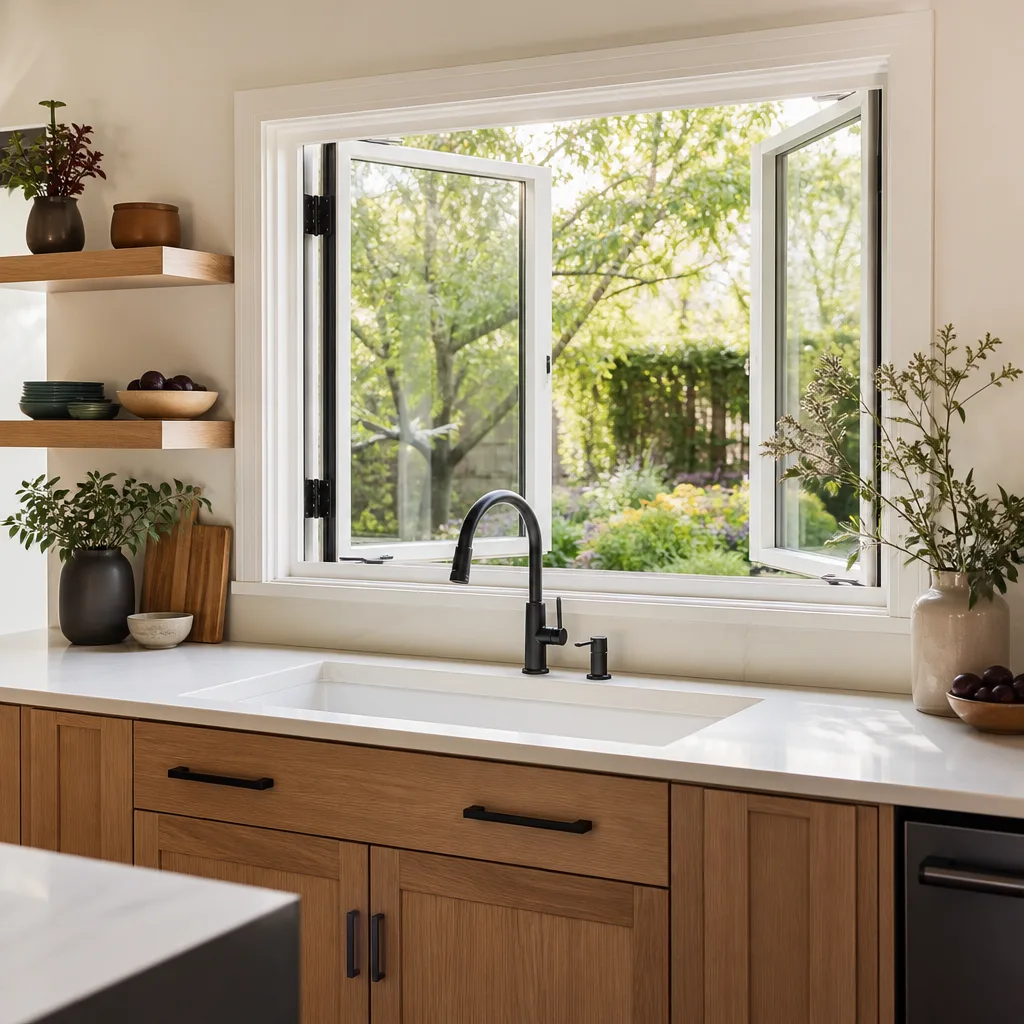
Window and door replacement takes 1–3 weeks for a single stock retrofit, 4–8 weeks for a full-house project, and 8–14 weeks for custom or special-order units. The install itself is one to three days. The rest of the calendar is measurement, manufacturer lead time, Title 24 documentation, permit review, inspection scheduling, and trim work. The contractors who quote project time honestly are the ones worth signing with, and the ones who quote only install time are the ones whose schedules slip. If you’re planning a project in Fullerton, call (844) 320-7095 for a free estimate, and bring any written bid you have for a line-by-line second opinion.
Written by the team at Rowan Construction Group Fullerton.
See the difference
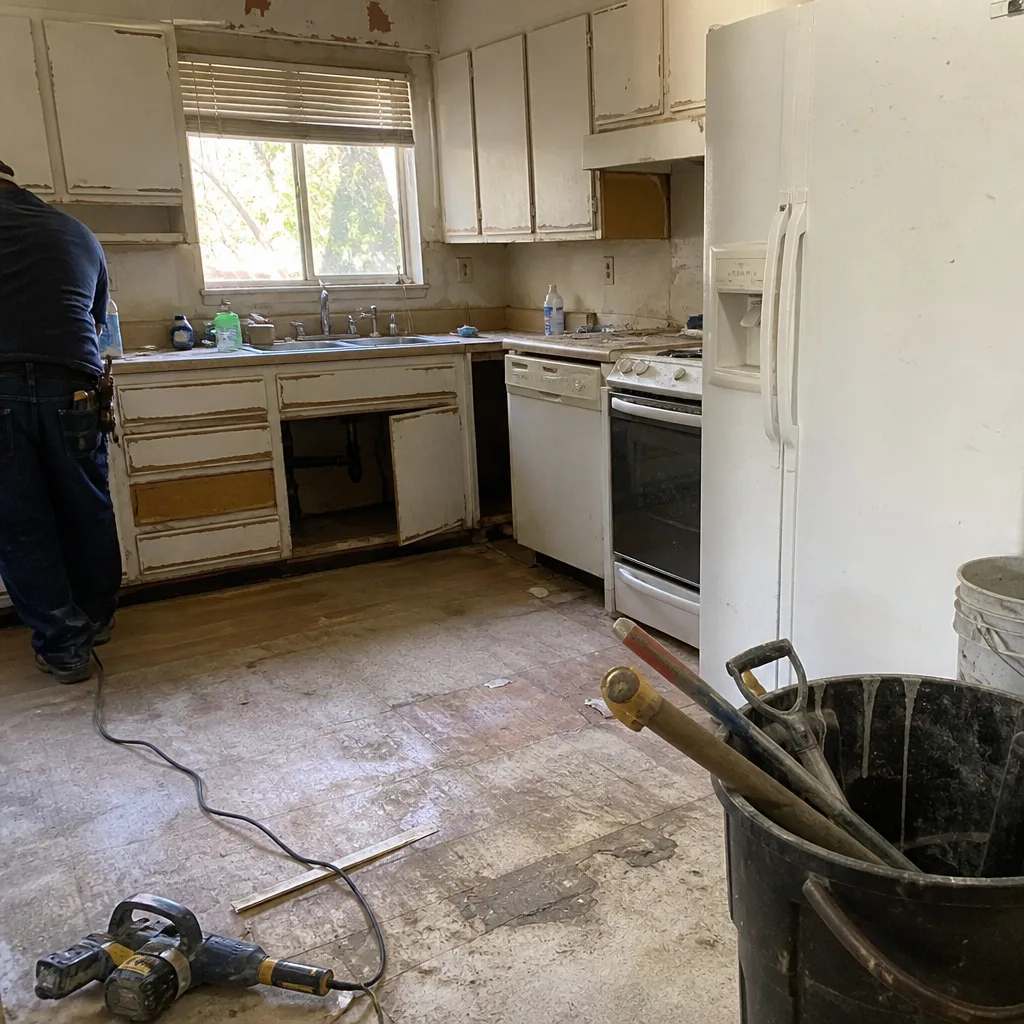 Before
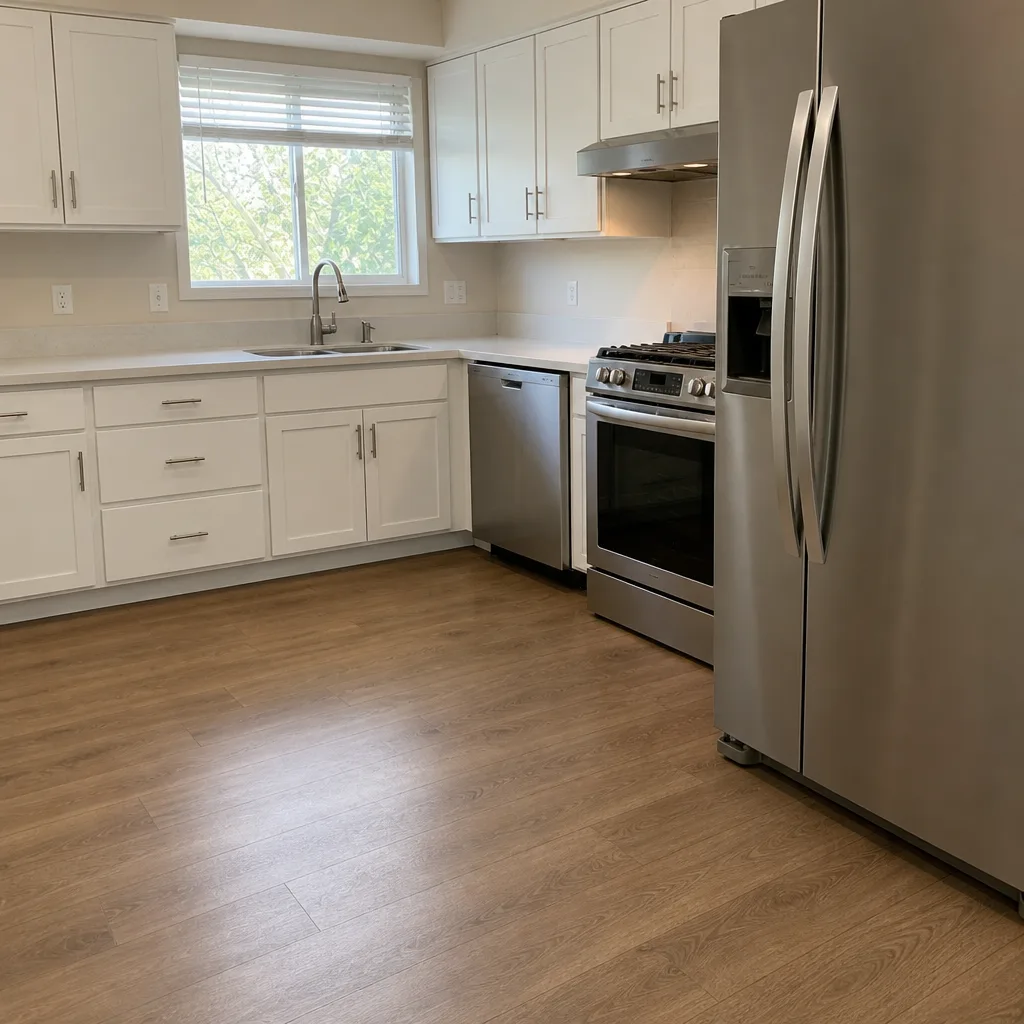 After
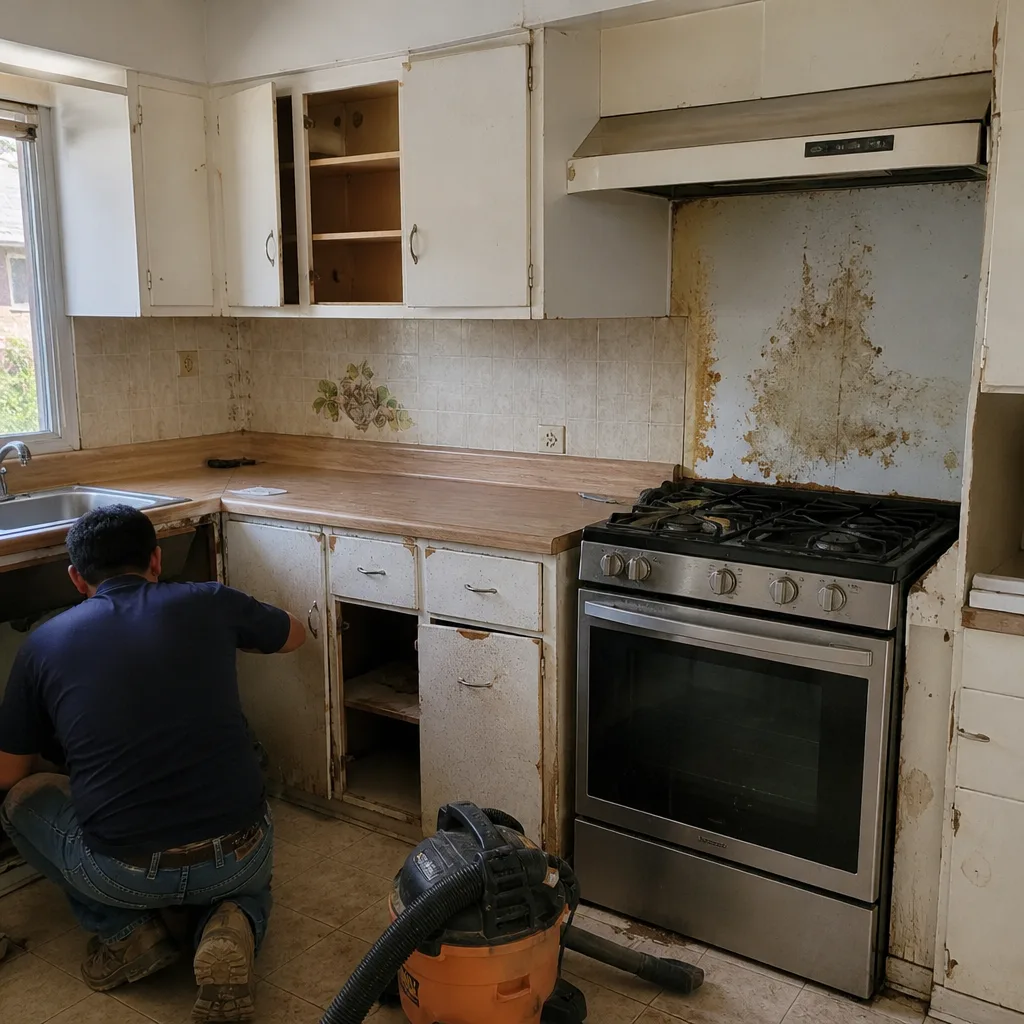 Before
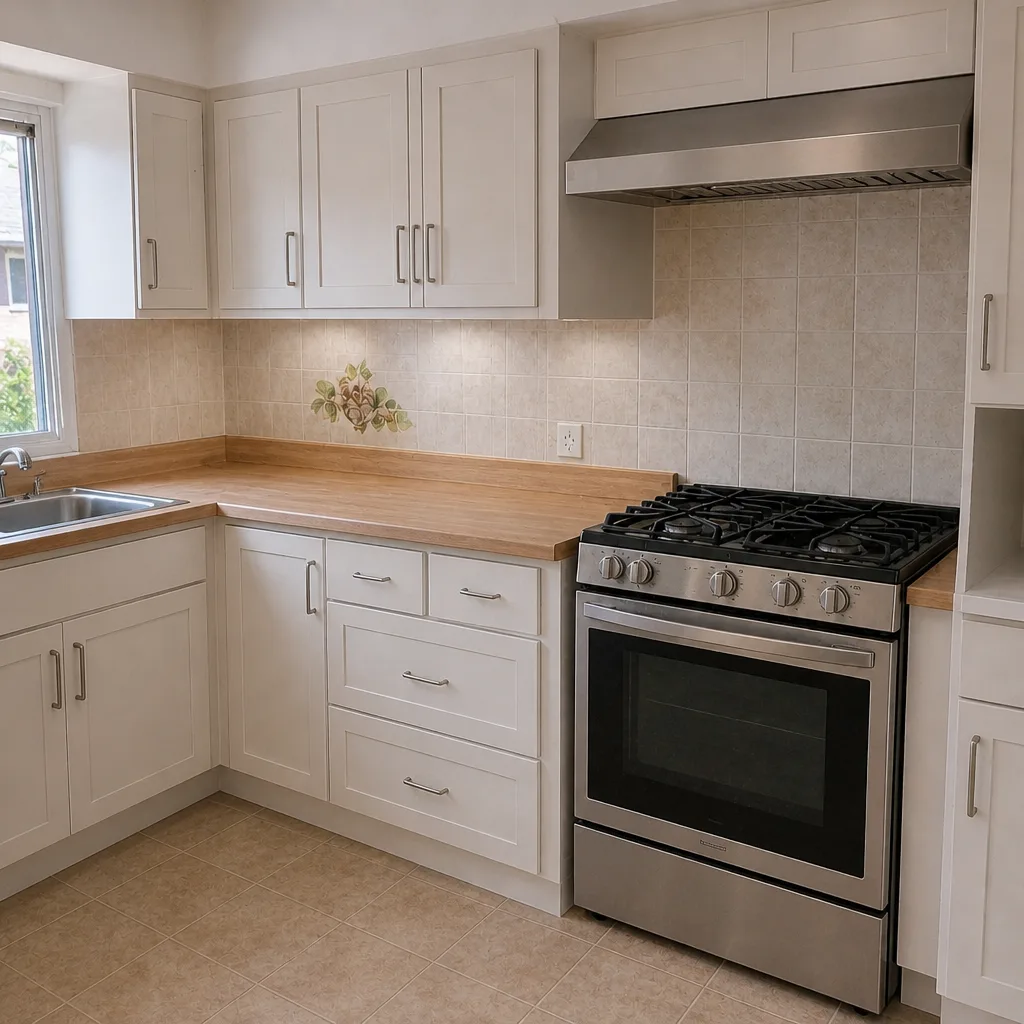 After
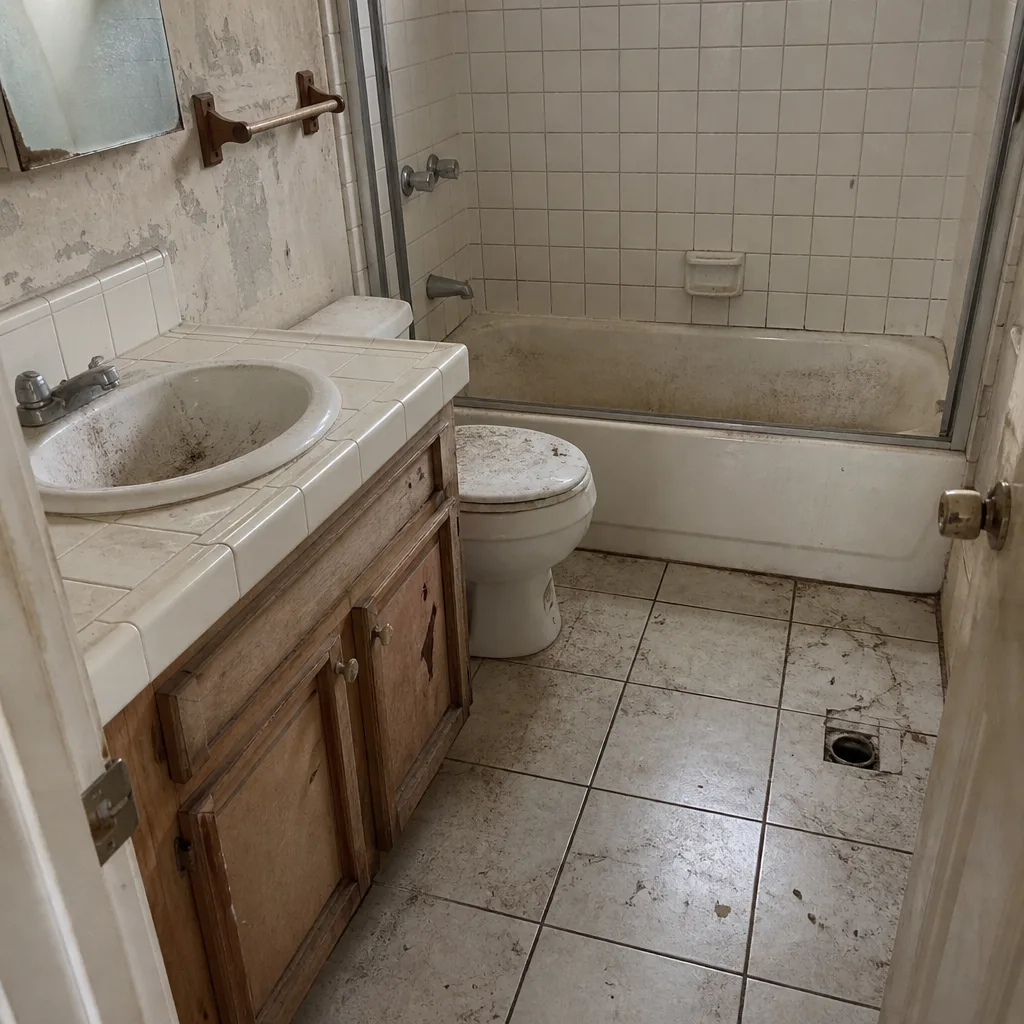 Before
 After