Free written scope consultation - allowances, timeline, and change-order rules on paper before a single trade is scheduled
Styles & brands we work with
- Kitchen remodeling
- Bathroom remodeling
- Home additions & ADU
- Roofing
- Windows & doors
- Driveway & pavers
- Fence
See the difference
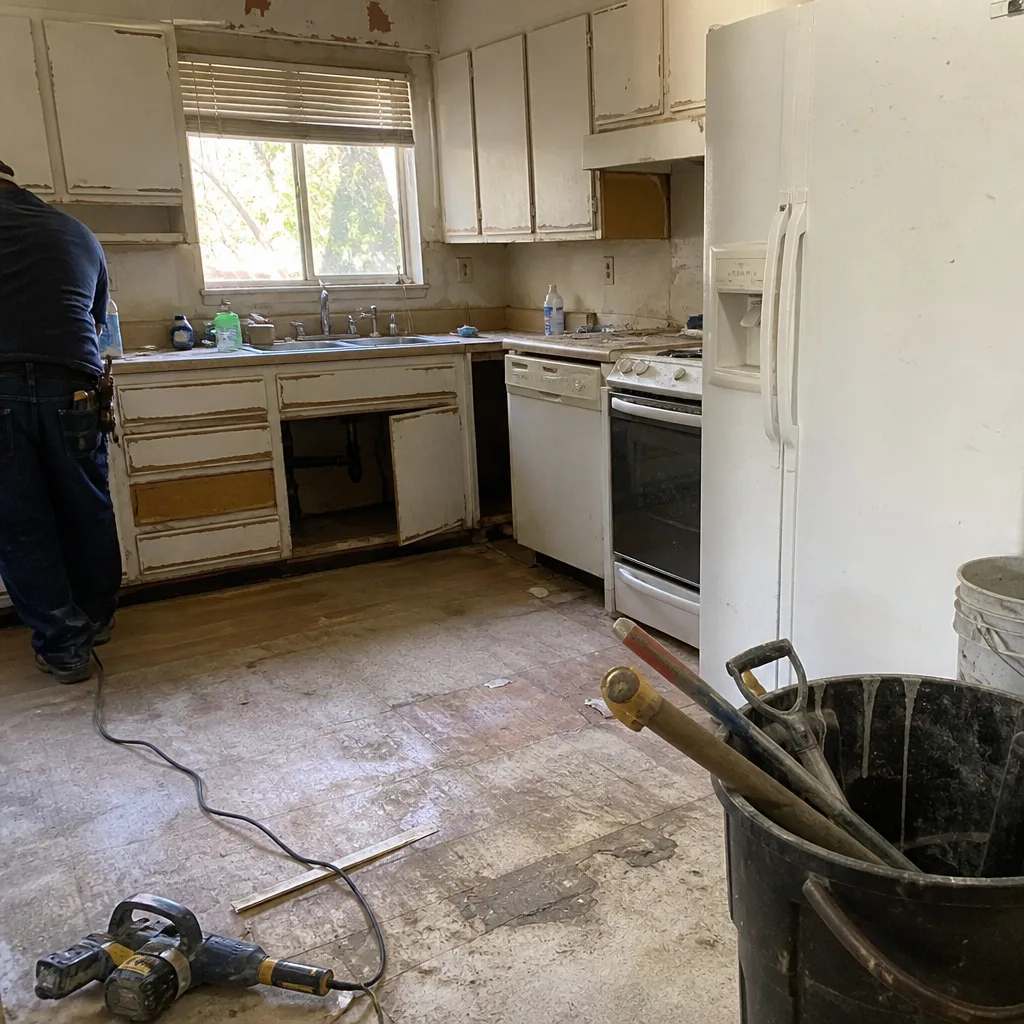 Before
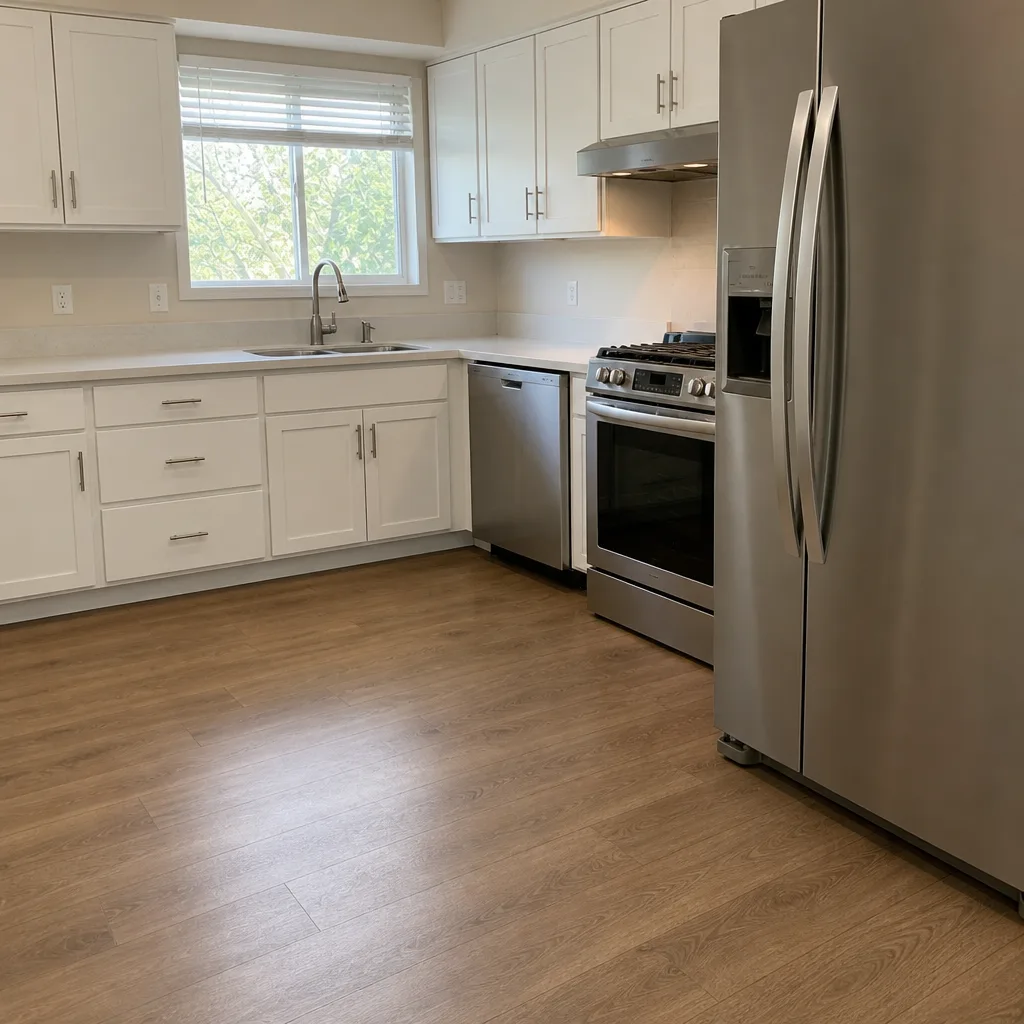 After
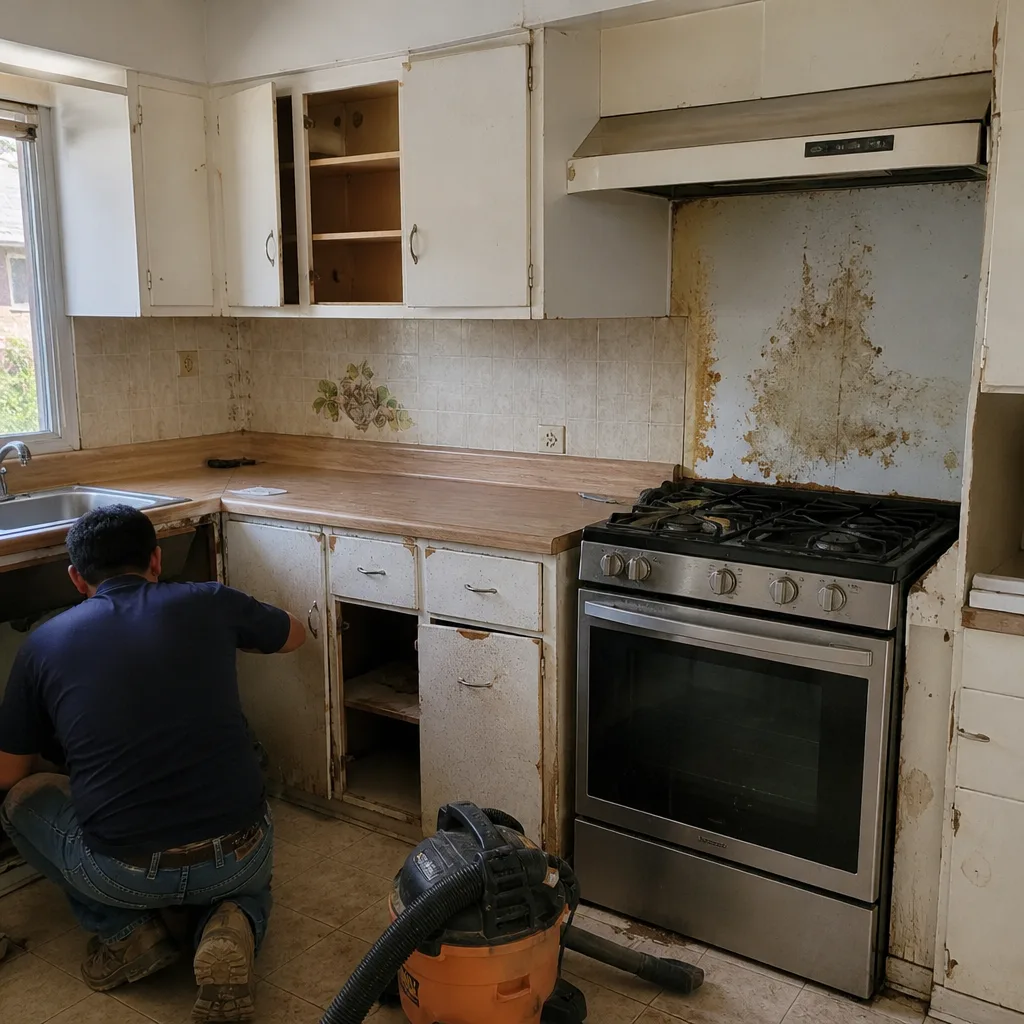 Before
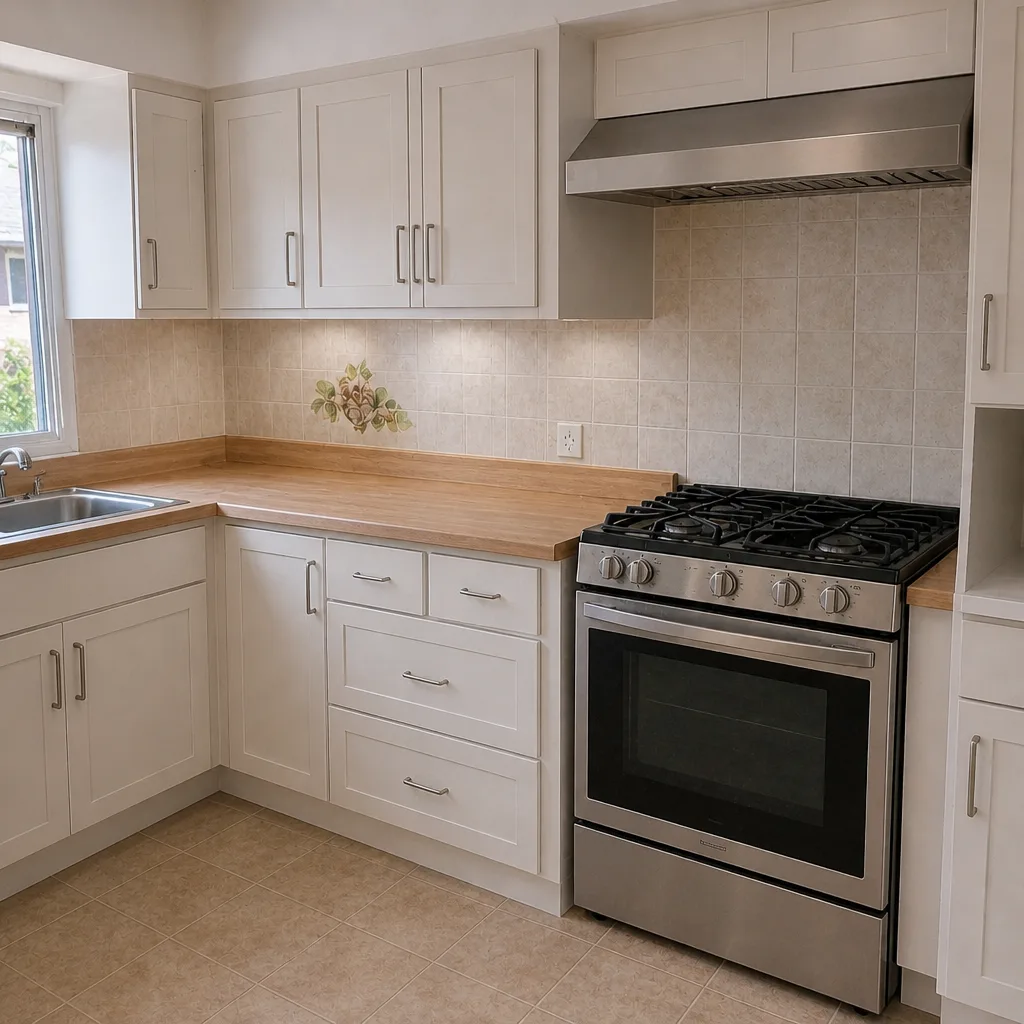 After
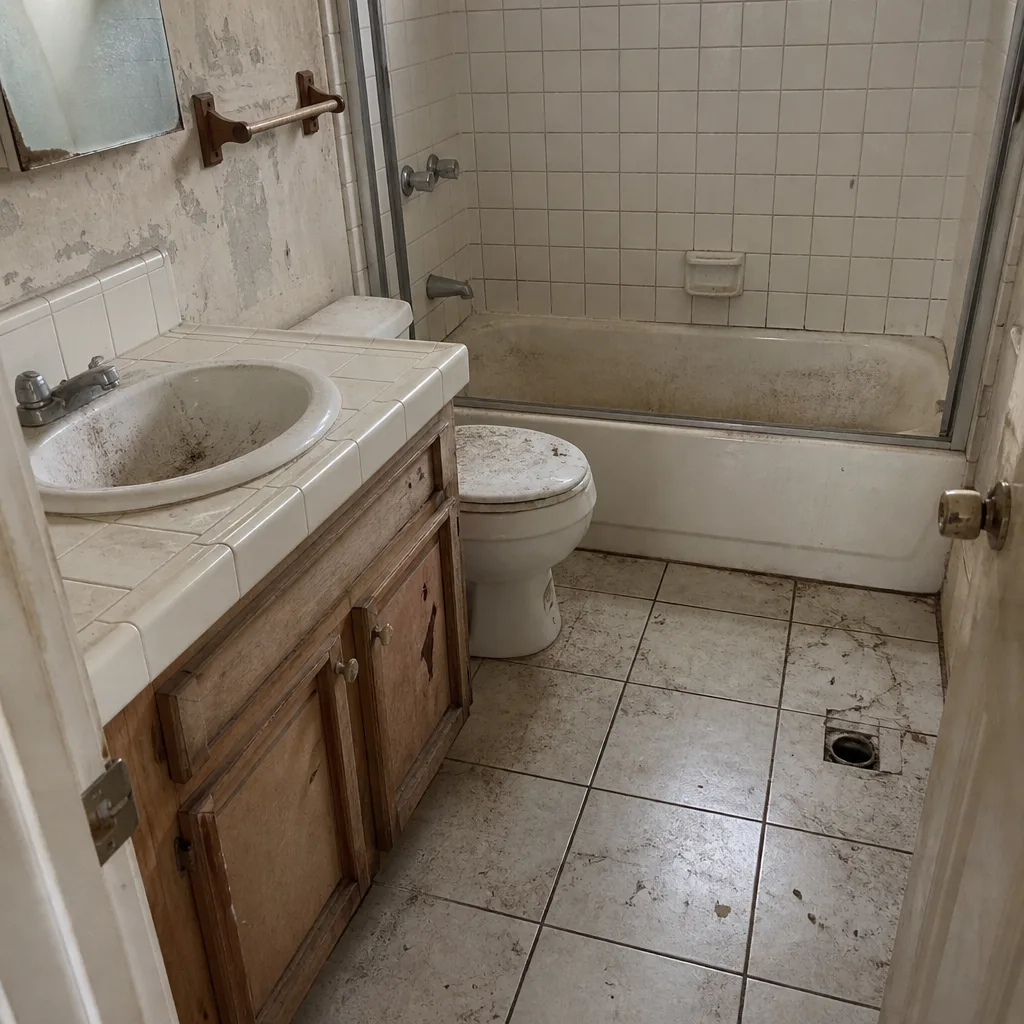 Before
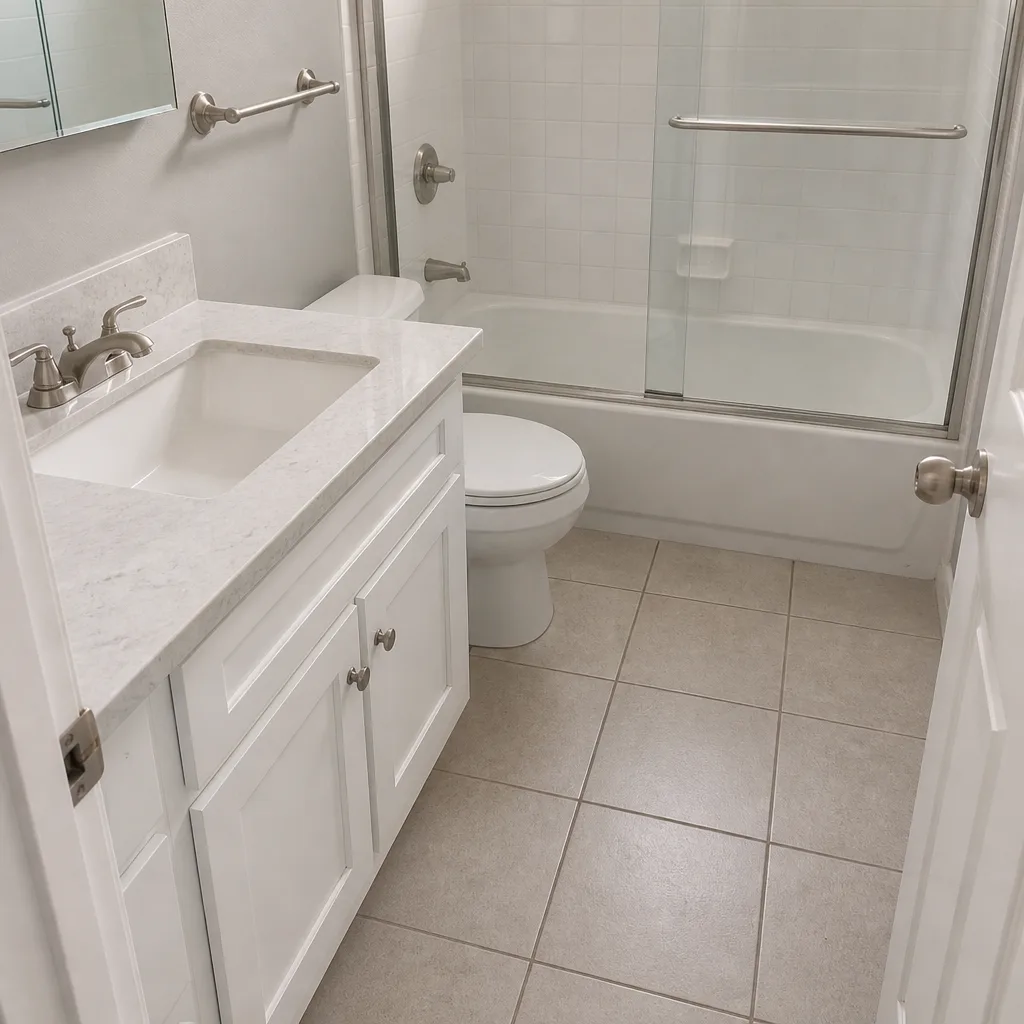 After
Home Addition vs ADU in Fullerton, CA: Which Path Fits Your Lot?
Choose an ADU if your goal is rental income, a separate address for family, or a hillside parcel where a detached footprint sidesteps the grading review a primary-structure addition would trigger. Choose a home addition if you want more living space inside the main house and no new utility meter, tax parcel, or dwelling count. In Fullerton the tie-breaker is usually the lot, not the square footage. Rowan Construction Group Fullerton prices both paths in writing before you commit. Call (844) 320-7095 to start.
- Best for income or multigenerational use: detached or attached ADU.
- Best for primary bedroom / family room / expanded kitchen: home addition.
- Best on a steep Raymond Hills or Hillcrest slope: often the ADU, because a detached footprint can be sited to dodge the grading trigger.
- Fullerton budget envelope for either: $45,000-$130,000 for a home addition; $90,000-$220,000 for a full ADU build.
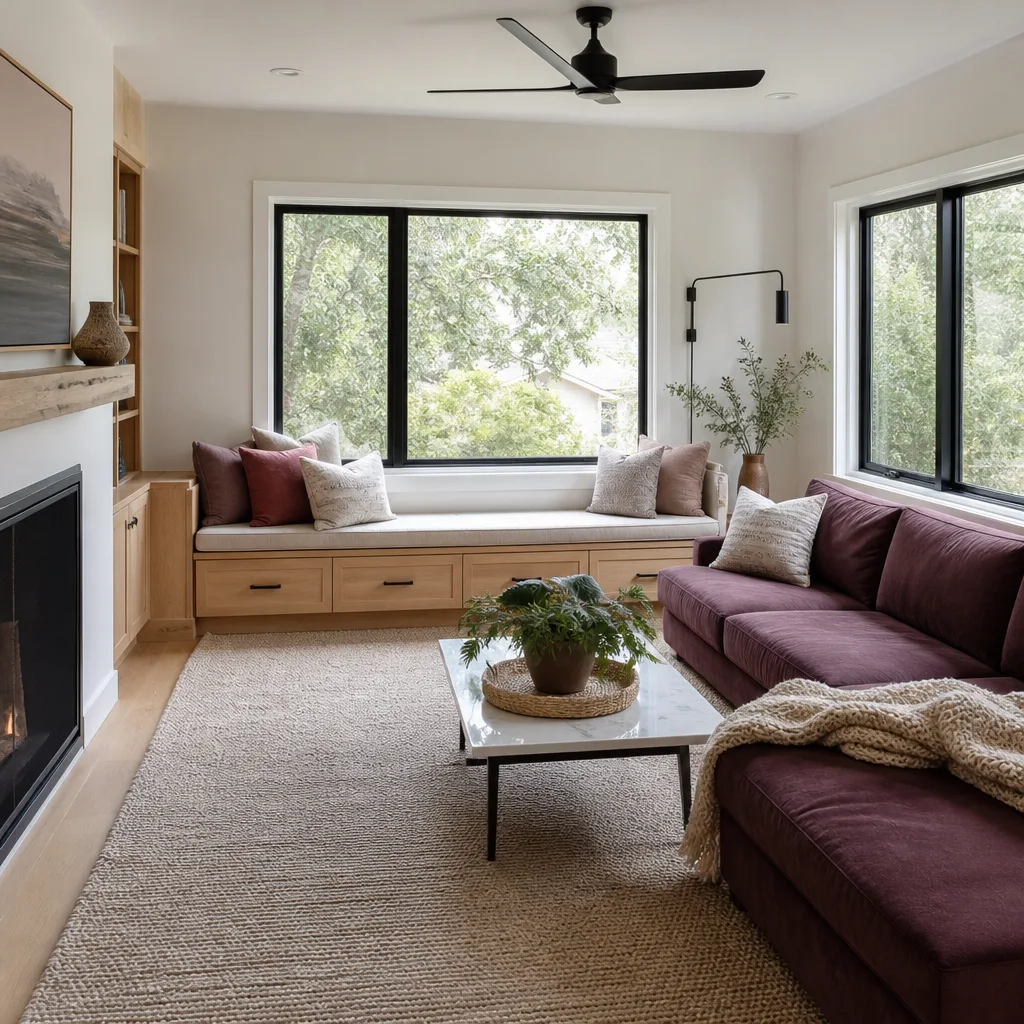
Same square footage, two different regulatory tracks
On a sloped Raymond Hills lot, a 500 sq ft detached ADU sited on the flat pad behind the garage can qualify for ministerial approval. Ministerial means the city checks the plan against the checklist and issues the permit – no design review board, no discretionary hearing, no neighbor appeal window. A 500 sq ft room addition bolted onto the hillside-facing rear of the same house can require a grading permit, a soils report, and a retaining wall permit before the addition permit is even reviewable. Identical floor area, entirely different timelines and fee stacks.
That is the part most cost-per-square-foot articles leave out. The legal difference matters first: a home addition is part of the primary structure. It stays on the same assessor’s parcel number and moves through the standard building permit track beside your existing house. An ADU is a separate dwelling unit with its own kitchen, its own entrance, and its own regulatory path under California’s ADU statutes, which since 2020 have narrowed what a city may lawfully deny. Fullerton sits on a rare mix of pre-war downtown stock, mid-century tracts, and hillside custom homes, so our crews work both worlds – seismic retrofits near Old Towne and hillside grading up in Raymond Hills and Hillcrest. The permitting path follows the parcel, not the blueprint.
What does each option cost in Fullerton?
A typical 400 sq ft room addition in Fullerton runs $180-$280 per square foot in construction cost, so roughly $72,000 to $112,000 before soft costs. A detached ADU of similar size runs $200-$320 per square foot – $80,000 to $128,000 – but it can generate rent every month after it’s done. Run both numbers against your goal before you choose. Here is how the line items break down in the Fullerton market:
| Item | Typical Fullerton range |
|---|---|
| Home addition, construction (per sq ft) | $180-$280 |
| Home addition, total project | $45,000-$130,000 |
| ADU, construction (per sq ft) | $200-$320 |
| ADU construction, total project | $90,000-$220,000 |
| Garage conversion (ADU-lite) | $30,000-$80,000 |
| Geotechnical / soils report (hillside lots) | quoted line item, site-dependent |
| Retaining wall / slope drainage (hillside lots) | quoted line item, site-dependent |
The geotechnical and retaining-wall lines only appear when the site demands them. On a flat parcel near the south-side tracts, they usually don’t. On a Raymond Hills slope, they often do – and they land first in the sequence, because the geotech report drives the foundation design, which drives the structural plan, which lets the permit get reviewed. That cascade is exactly what a municipality calls the “grading trigger,” and it’s why a slope parcel can cost more to permit than a flat one for the same 500 square feet. Under Clause 1 of The Haven Standard, the price is written before anyone starts – including permit fees and any geotech, drainage, or retaining-wall line items the site requires. You see the whole stack on paper before you choose a path.
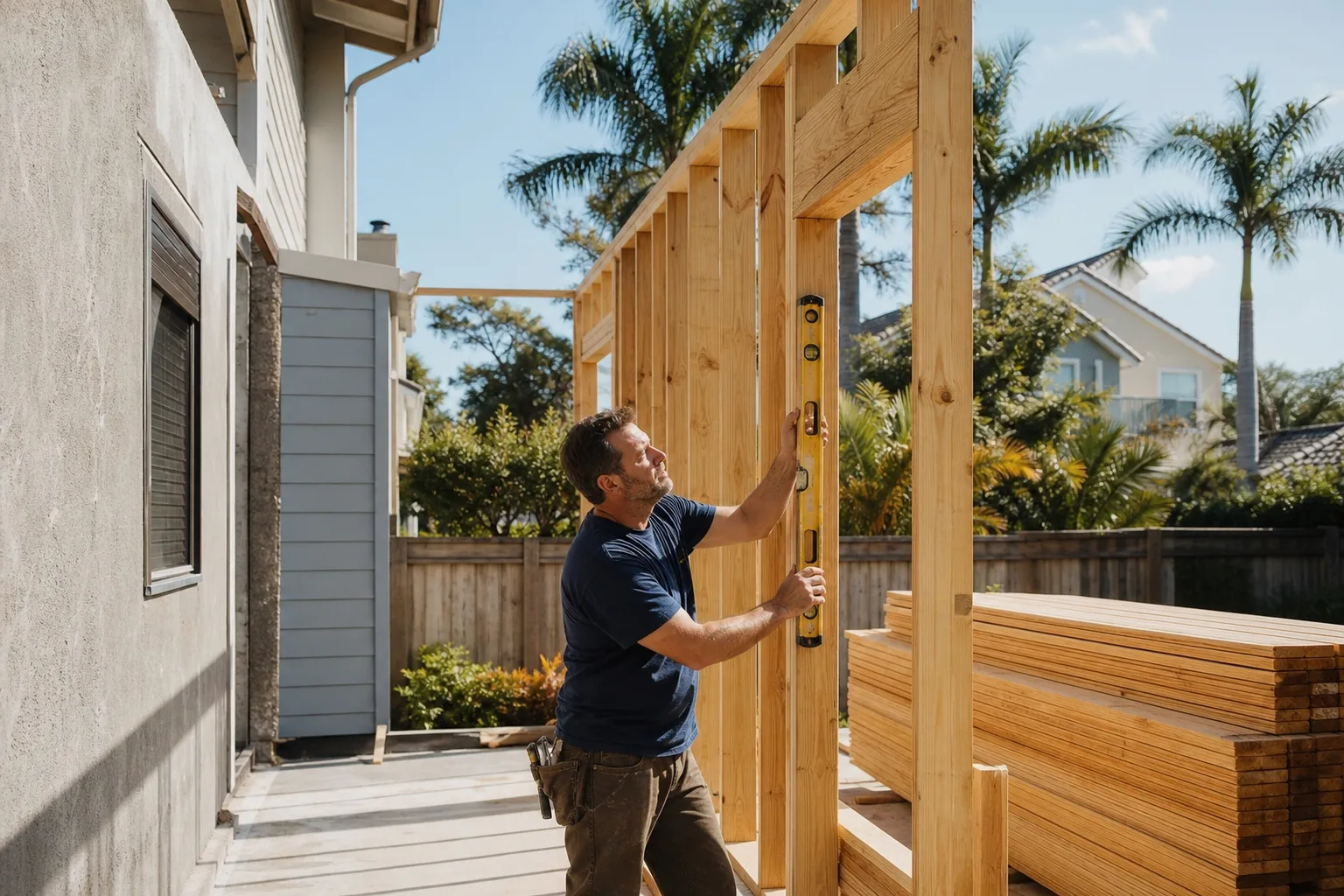
Resale, property tax, and financing: how the two paths diverge
An ADU adds an assessable separate unit to the property record. That means a second utility connection, a second dwelling count on the county roll, and a property tax reassessment on the new structure. Financing often moves to a separate appraisal that treats the ADU’s rental income as potential income – which can help the loan qualify but also means the appraiser will walk the unit and check the kitchen and bath are actually there. A room addition is simpler on paper: it increases the primary dwelling’s recorded square footage, no new unit, no second meter, no rental-income appraisal. It raises the home’s comparable-square-foot profile in a Fullerton market where buyers pull comps by bedroom count and living area. Neither is “better.” They solve different problems.
The decision framework we walk homeowners through, honestly:
- Goal is monthly income or housing a parent: ADU. The rent stream and the separate front door are the whole point.
- Goal is a bigger primary home without a new unit: home addition. It avoids the second-meter and reassessment questions.
- Lot is sloped and detached siting is possible: often the ADU, because ministerial approval can save real time.
- Lot sits on a steep, tight hillside with no flat pad: often the addition, because you may end up in the geotech-and-retaining-wall process either way – and one structure is cheaper than two.
- Lot is flat, south or east side of town: run the straight cost math; either path is straightforward to permit.
If you want the detail on each path, start with our Home Additions & ADU page, or jump straight to the Home Additions & ADU in Fullerton breakdown for the local project flow. Both spell out the sequence – survey, geotech, plan check, permit, framing, inspection – so you know what comes before what.
What we show you before you decide
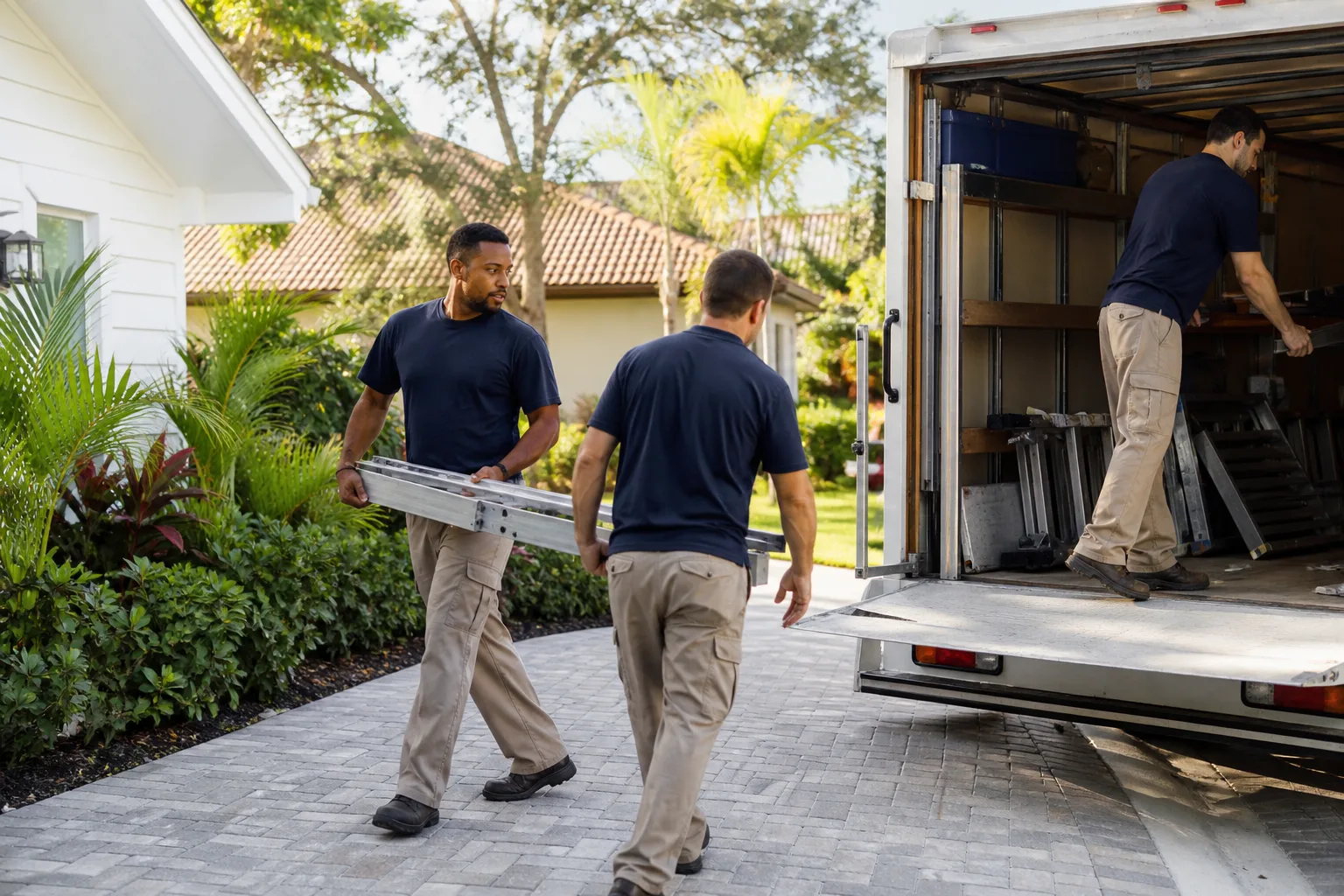
Rowan Construction Group Fullerton doesn’t sell you on one option over the other. We price both in writing, as flat quotes with a written scope and a written warranty, and let the numbers and the lot govern. Our technicians have up to 19 years of experience across additions, ADUs, and the trades that support them, and every crew arrives background-checked and uniformed. A live person answers the phone around the clock, and every site visit ends with a documented photo record included as standard – you get the pictures of what we found and what we did. If you’re weighing a competitor’s estimate, our Free Second Opinion reviews it line by line at no charge.
On the finish side, materials come from fifty-plus vetted brands in the sourcing network – Therma-Tru and Mr-Glass for doors and glass, Barrette for fencing where site work involves a perimeter – so the number on the quote reflects real product costs rather than inflated allowances. And the 365-Day Done Right Promise sits on top of every project: if it isn’t done right, we make it right, printed on the agreement and backed by a terms page rather than an asterisk. That applies whether the finished work is a 400 sq ft addition or a full detached ADU.
FAQs
A home addition is almost always cheaper per square foot – typically $180-$280 per square foot versus $200-$320 for an ADU – but the ADU can pay you back through rent. For a 400 sq ft space, expect roughly $72,000-$112,000 for the addition and $80,000-$128,000 for the ADU, plus any geotech or retaining-wall items a hillside lot requires. Call (844) 320-7095 for an exact written range – estimates are free.
Often yes, and sometimes more easily than a room addition, because a detached ADU can be sited on the flat pad area and qualify for ministerial approval – meaning no design hearing and no discretionary review. Whether your specific slope allows it depends on the measured grade and where the buildable pad sits. That’s a site question, not a paper one. Call us and we’ll look at the lot before anyone draws.
Usually yes, because an ADU adds an assessable separate dwelling unit to the record, plus a second utility connection, while a home addition simply adds square footage to the primary dwelling. The exact reassessment depends on the county assessor’s valuation of the new structure. Plan for more tax movement on the ADU path. Call (844) 320-7095 to talk through the numbers before you commit to either.
On a flat parcel, both paths typically move through the standard building permit track at a similar pace; the ADU’s ministerial track can shorten the front end, while the hillside addition’s grading and soils review can add steps before the building plan is even reviewable. Timelines vary by site and by the current city queue. The fastest way to know for your address is to have us price both paths in writing, which we do up front at no cost.
If you’d rather have it looked at, Rowan Construction Group Fullerton offers a no-pressure assessment in Fullerton – call (844) 320-7095 for a free estimate and a written price on both options before you pick a path.
Written by the team at Rowan Construction Group Fullerton, serving Fullerton, CA.