Last updated November 18, 2026



Free written scope consultation - allowances, timeline, and change-order rules on paper before a single trade is scheduled
The Complete Fence Installation Guide for Fullerton Homeowners
Most fence failures in Fullerton don’t happen at the board. They happen a foot below the dirt, at the post footing. That’s the counterintuitive part: a homeowner can buy top-grade Western red cedar, pay for a beautiful cap rail, and still watch pickets lean out of line by year four, because the footing was set to the code minimum in soil that doesn’t tolerate minimums. Fullerton sits on some of the more expansive clay in North Orange County, and that clay swells and shrinks with the seasons, working posts loose like a slow lever. In this guide you’ll learn the permit thresholds you actually need to clear, the footing depths that hold up in local soil, real installed prices for the four materials that matter, and the contract line items that separate a fifteen-year fence from a five-year one.
Quick Answer
A fence installation in Fullerton requires a city permit for any new fence or wall over 6 feet in height, and the application needs a site plan with property line dimensions, a footing detail drawing, and documented neighbor notification. For a fence that stays plumb past year five on Fullerton’s clay-heavy lots, plan on 36-inch post footings rather than the 24-inch code minimum, and budget $32 to $68 per linear foot installed depending on material.
Styles & brands we work with
- Kitchen remodeling
- Bathroom remodeling
- Home additions & ADU
- Roofing
- Windows & doors
- Driveway & pavers
- Fence
Table of Contents
- Do You Need a Permit to Build a Fence in Fullerton?
- Why Fullerton Soil Makes Standard Post Footings Fail
- Material Costs per Linear Foot in Fullerton
- What a Complete Fence Permit Application Contains
- How to Read a Fence Contract Before You Sign
- Neighbor Notification and Boundary Lines
- How Long a Fullerton Fence Installation Takes
Do You Need a Permit to Build a Fence in Fullerton?
Yes, for most fences above a certain height, and the detail that trips people up isn’t the height math. It’s the neighbor notification paperwork. Fullerton’s municipal code requires a permit for any fence or similar structure exceeding 6 feet in height, measured from the finished grade. A fence at 6 feet or under, in your rear or side yard, generally falls under exempt or over-the-counter review. Go to 6 foot 1 inch and you’re in a different process entirely.
Here’s where location matters, and this is what a lot of permit guides gloss over:
- Rear and side yards: A fence over 6 feet requires a permit, and the height is measured from the higher adjacent grade.
- Front yards: Fullerton caps front-yard fences lower than rear yards, typically at 3 feet within the front setback, and a front fence above that height needs a permit and often a variance review. Confirm the exact limit with the city’s planning counter before you buy material, because front-yard limits are the ones most often misjudged.
- Corner lots: The sight-triangle setback at the corner affects how tall and how close a fence can be. On a corner lot near a Fullerton intersection, a tall fence can block a driver’s sightline, and the city will require the fence to stay below a given height within the corner clearance zone. Corner properties on streets like those around downtown Fullerton and the neighborhoods off Harbor Boulevard are where these setback rules bite hardest.
One caution before you start drawing plans: the height and location figures above are what we see most often in Fullerton, but code sections and their interpretation can shift, and a specific parcel may carry a condition of approval that changes the numbers. Pull the current municipal code section on fences and walls, or ask the planning counter directly, for your exact address. Under Clause 1 of our Haven Standard, a written price before work starts means we confirm those numbers with you up front, not after the materials are on site.
Why Fullerton Soil Makes Standard Post Footings Fail
The California Residential Code sets a minimum post depth of 24 inches for fence posts, and on well-drained, stable ground that number works. Fullerton isn’t that ground. A large share of the city sits on expansive clay soil, the kind that takes on water in the winter rains and shrinks hard in the dry summer. That cycle is what destroys fences here. A post set 24 inches deep in expansive clay gets pushed and pulled by the soil’s movement season after season, and because the movement happens below the surface, the homeowner only sees the result: a post that’s rotated five degrees, a run of fence that’s gone out of plumb, a gate that won’t latch.
The field standard we work to on clay-heavy Fullerton lots is a 36-inch footing. That extra foot of depth gets the concrete below the zone of seasonal soil movement and into more stable ground, and it’s the difference between a fence that has to be reset in year six and one that’s still true a decade in. Diameter matters too. A footing hole that’s only 8 inches around doesn’t give the concrete enough mass to resist lateral load, so we set an 8-to-12-inch diameter hole depending on post size and wind exposure, filled with a concrete mix rated by sack weight (more on that in the contract section).
The soil type is the whole story, and it’s worth saying plainly: the minimum footing depth in the code isn’t insufficient because the code is wrong. It’s insufficient because the code is a floor, not a prescription for every lot. On Fullerton clay, the documented field standard is deeper. In our experience, the footing is where a quote either earns trust or doesn’t. When you get a written estimate, look for the footing depth and diameter spelled out as a number.
Material Costs per Linear Foot in Fullerton
Installed prices below reflect typical Fullerton jobs with footings, hardware, and cleanup included. Ranges shift with fence height, gate count, lot accessibility, and removal of an old fence. These are installed numbers, not material-only, so you can compare fairly against another quote.
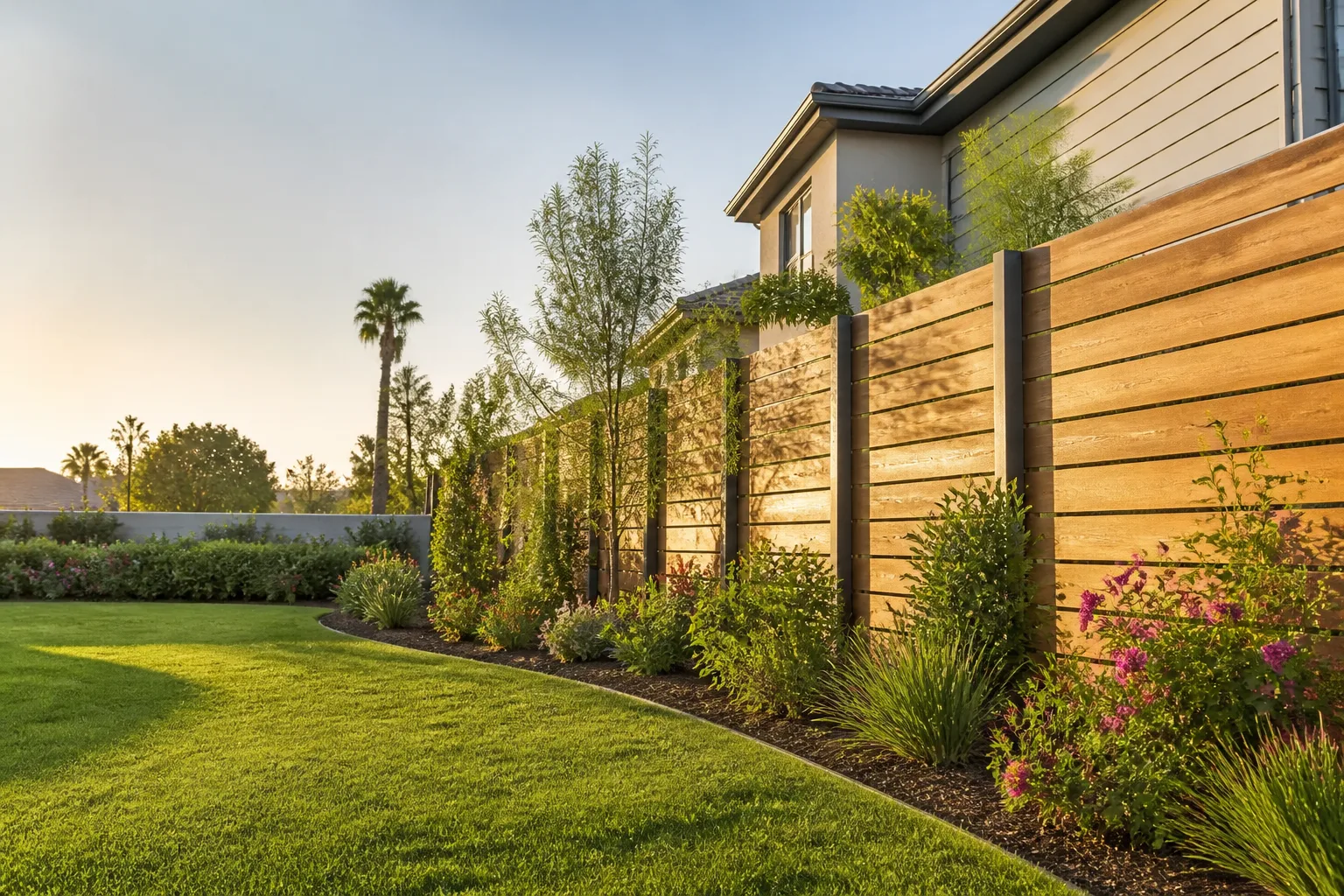
- Pressure-treated pine (ACQ): $32 to $44 per linear foot installed. The value option for Fullerton privacy fences, especially for the six-foot runs most homeowners want. The trade-off is maintenance: expect to seal or stain every two to three years in this climate, and expect ACQ-treated pine to cup and check over time as it dries.
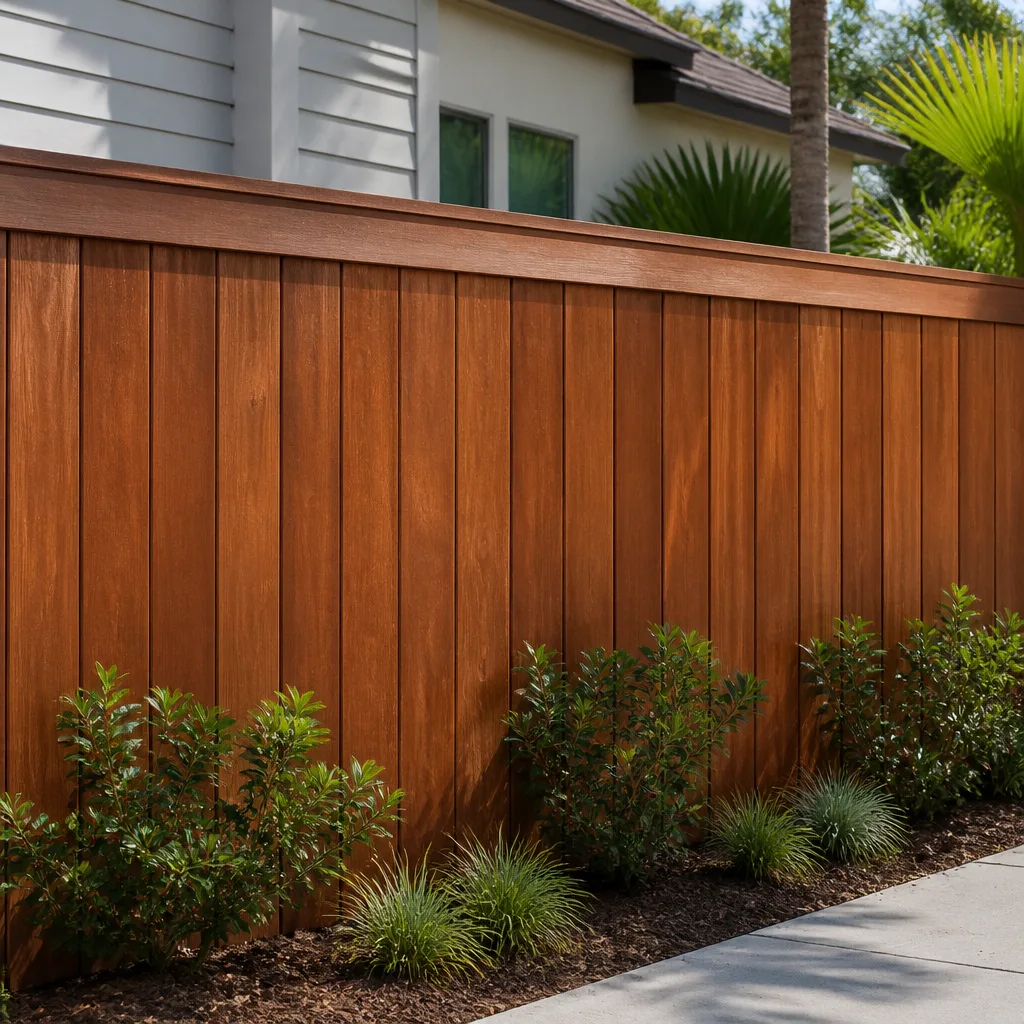
- Western red cedar: $48 to $62 per linear foot installed. The premium wood choice. Cedar is naturally rot- and insect-resistant and it holds up to Fullerton’s wet winters better than pine, and it takes a finish beautifully. It’s also the material most exposed to price swings, so a quote from two months ago may not hold.
- Trex Seclusions composite: $58 to $68 per linear foot installed. The low-maintenance pick: no staining, no sealing, and color that doesn’t fade the way untreated wood greys. It costs more up front than cedar, but on a long run with a lot of sun exposure, the fifteen-year cost favors composite because you’re not paying for re-finishing.
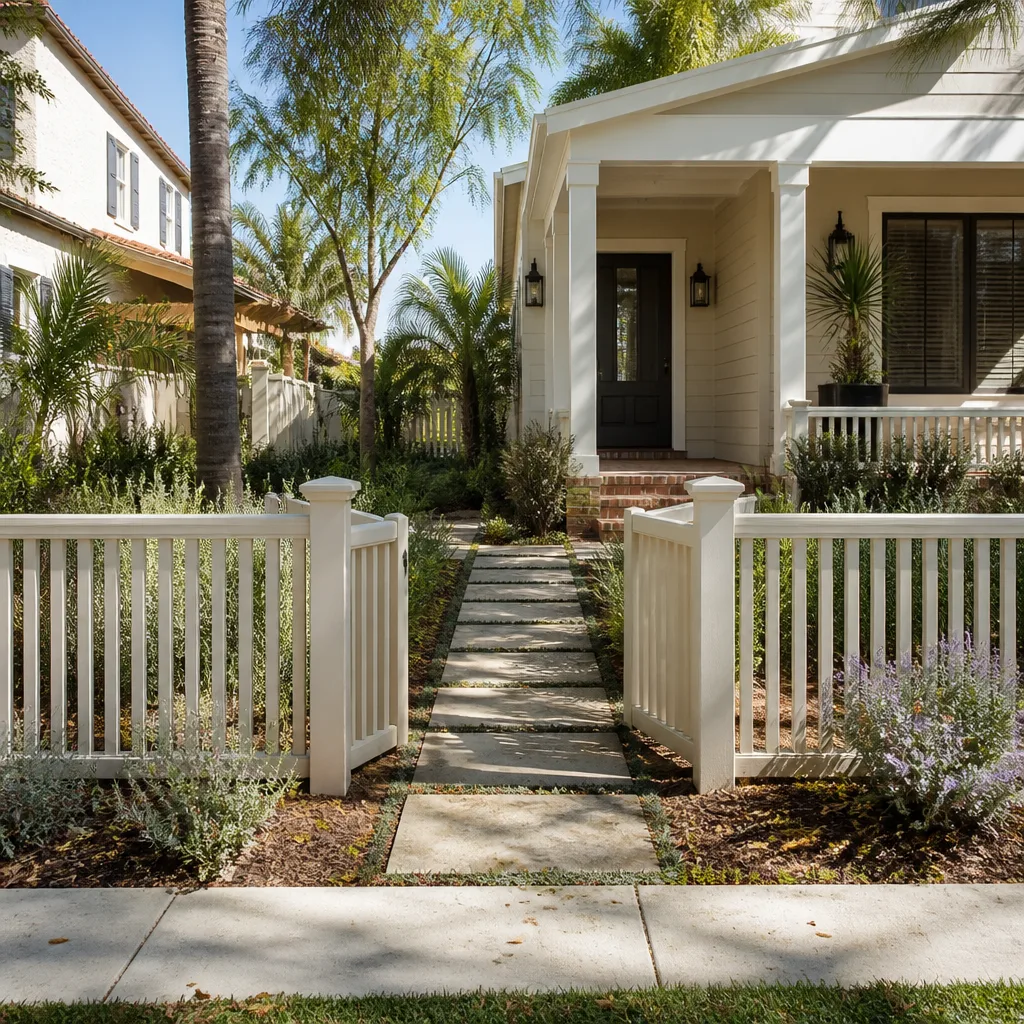
- Aluminum ornamental: $40 to $56 per linear foot installed. The right choice for front-yard and view fences where you want a boundary without blocking sightlines, and where the city’s front-yard height limits push you toward a shorter, more open fence. Powder-coated aluminum won’t rust and doesn’t need finishing.
If your project touches the driveway or the front approach, we also handle Driveway & Pavers in Newport Beach, so a fence and a hardscape job can be quoted together and finished in one pass rather than two separate mobilizations. Material choice is where a written quote earns its keep, because the difference between a “wood fence” and a “Western red cedar fence with stainless hardware on 36-inch footings” is where the real number lives.
What a Complete Fence Permit Application Contains
This is the part homeowners underestimate. The height calculation is easy; assembling the document package is what takes a weekend afternoon if you’re doing it yourself. A complete Fullerton fence permit application includes the following, and it’s worth treating it as a checklist:
- A site plan drawn to scale showing the footprint of your home, the property lines with their dimensions, and the exact location of the proposed fence.
- Property line dimensions that match your recorded lot, which you can pull from your property deed or county records. A site plan with guessed dimensions gets sent back.
- A footing detail drawing that shows post depth, hole diameter, post spacing, and the concrete specification. On Fullerton clay lots this is where you want 36 inches shown, not 24.
- A fence elevation and section showing height, board or picket spacing, and how the fence is anchored. For a six-foot-plus fence, show the height measured from finished grade.
- Neighbor notification documentation. This is the requirement most homeowners don’t see coming. When a fence sits on or near a shared property line, the city wants evidence that the adjacent owner has been notified, and the exact form and timing come from the city’s current permit packet. Get the form from the planning counter, complete it, and keep the dated record.
- The permit application form itself and the fee, which varies with the scope.
Two of those items, the footing detail and the neighbor notification, are the ones most often submitted incorrectly or left out. Getting the package right the first time saves a review cycle that can add a couple of weeks to the front of the job. Nearby communities have their own quirks too, which is why a contractor who installs regularly across the area matters more than one who lists a service on a page. If you want a sense of how a neighboring market handles it, our Fence Installation in Newport Beach page covers the coastal-side rules, and the contrast is instructive.
How to Read a Fence Contract Before You Sign
The quote is where a fence is really built or broken. The line items below are the ones that determine whether you get a fifteen-year fence or a five-year one, and a good written contract states each of them as a number, not a promise. Read every quote with these four in mind:
- Post diameter specification. “4×4 posts” is standard, but a 4×4 post on a six-foot privacy fence carrying a gate needs to be a true 4×4, not a nominal one, and gates and corners often warrant 5×5 or a doubled post. A contract that doesn’t name the post size leaves the decision to whoever’s digging.
- Concrete mix by sack weight. The mix should be specified, not just “concrete.” A higher sack weight per bag means a stronger mix, and that matters when you’ve paid for 36-inch footings. If the contract says “post set in concrete” and stops there, ask what mix.
- Hardware grade: galvanized vs. stainless. In our experience, this is the item that quietly determines how long the fence lasts. Galvanized fasteners will eventually rust in Fullerton’s wet winters and coastal-adjacent climate, and a rusted fastener fails before the wood does. Stainless hardware costs more and lasts longer. A good quote names which grade it’s specifying.
- Warranty scope. A workmanship warranty should say what it covers: footing failure, posts going out of plumb, gate alignment. A material warranty from the manufacturer is separate from the installer’s workmanship warranty, and a quote should make clear which is which.
When the price is written before any work starts, with a written scope and a written warranty, you can compare two quotes line by line instead of guessing. That’s the discipline behind our 365-Day Done Right Promise: if it’s not done right, we make it right, backed by The Haven Standard and a terms page, not an asterisk. And no work proceeds on a change until the change order is signed, which is why projects here finish within a few percent of the agreed number.
Neighbor Notification and Boundary Lines
Fence disputes in Fullerton rarely start over design. They start over the line. A fence built two inches onto a neighbor’s property can turn a straightforward install into a boundary survey and a conversation neither party wanted. The practical sequence is:
- Pull your recorded property line dimensions from the deed or county records before you draw the site plan.
- If the fence sits on the shared line, arrange the neighbor notification before you submit the permit. The form and timing come from the city’s current packet, so get it early.
- For any question about the exact line, hire a licensed land surveyor. A survey costs money, and it’s cheaper than a fence that has to be moved.
The notification is not a courtesy; it’s part of the permit record in many cases, and it heads off the complaint that can otherwise stall a job after the posts are already set. Talk to the neighbor before the paperwork, bring the site plan, and agree on the line. It’s the least glamorous step in the whole project and the one that prevents the most trouble.
How Long a Fullerton Fence Installation Takes
The physical install is the short part. A typical 100- to 150-foot privacy fence takes two to four days of on-site work once materials are on site and the permit is in hand: a day for demo and layout, a day or two for digging and setting footings (which have to cure before the panels go up), and a day for panel installation, gates, and cleanup. The longer runway is in front of the install:
- Permit review: plan for a couple of weeks for a complete, clean application. A returned package with missing neighbor documentation resets the clock.
- Material lead times: pressure-treated pine and cedar are usually quick; composite and aluminum can run several weeks depending on color and profile.
- Footing cure: concrete needs to set before panels are hung, so a cured footing adds a day or two of waiting to the schedule.
If your project also includes a larger structure like a detached garage or an addition behind the fence line, those timelines stack, and it’s worth planning the sequence. Our Home Additions & ADU in Newport Beach page covers how that sequencing works on a bigger build. If you just want to see the full range of what we handle, the Rowan Construction Group Fullerton home page has the trades listed.
Common Mistakes to Avoid
- Setting posts to the 24-inch code minimum on Fullerton clay. The extra foot to 36 inches is the cheapest insurance against a leaning fence you’ll ever buy, and most homeowners never see the number until it’s too late.
- Submitting the permit without the neighbor notification. It’s the single most common cause of a returned application in Fullerton, and it adds weeks to the front of the job.
- Building a tall front-yard fence without checking the limit. Fullerton caps front-yard fences lower than rear-yard fences, and a fence over the limit has to come down.
- Using galvanized hardware and calling it done. Galvanized fasteners rust in this climate before the wood fails; stainless costs more and outlasts the fence.
- Guessing property line dimensions on the site plan. A measured footprint from your recorded deed, or a surveyor, prevents the boundary dispute that can stall a finished fence.
- Signing a quote that doesn’t name the post diameter, concrete mix, or hardware grade. If those three aren’t numbers on the page, you don’t know what you’re buying.
- Skipping the footing detail drawing. A permit package without it gets bounced, and a contractor who skips it is telling you something about the footings.
See the difference
 Before
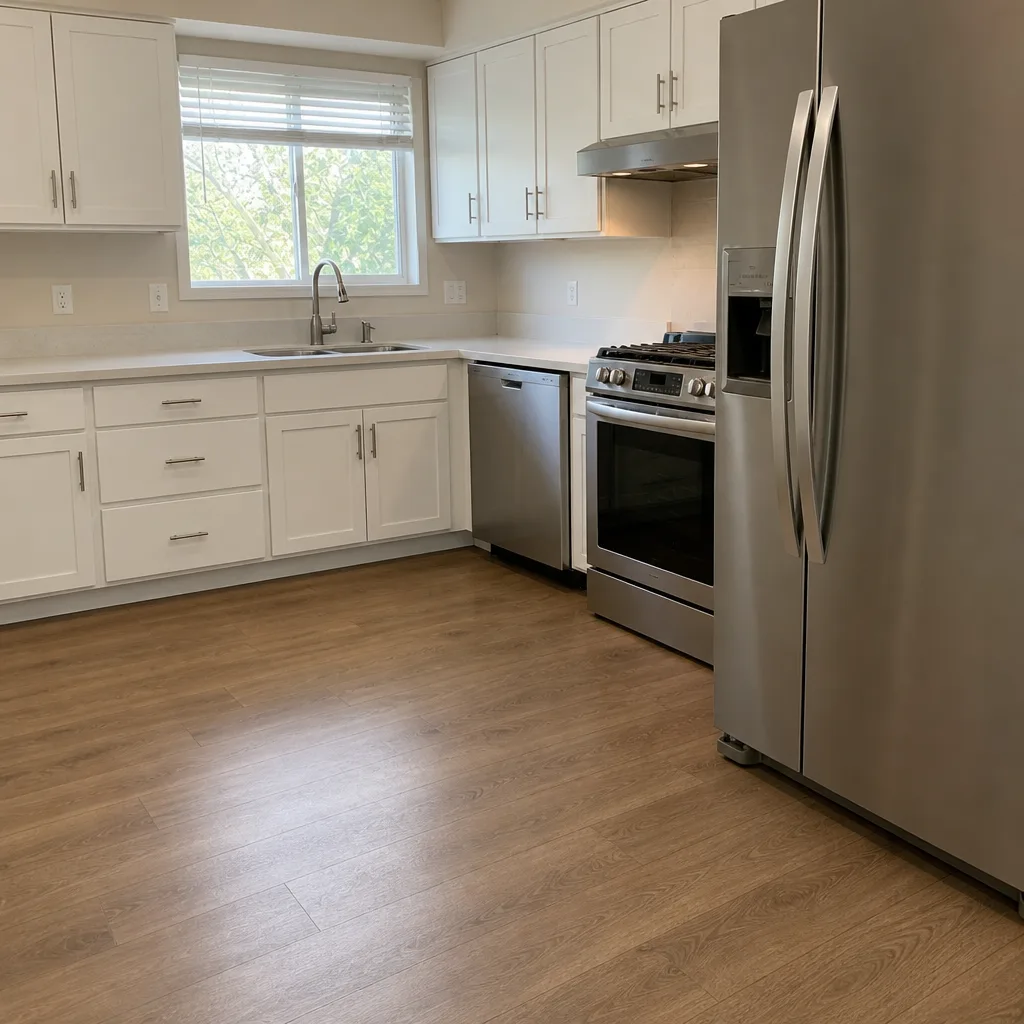 After
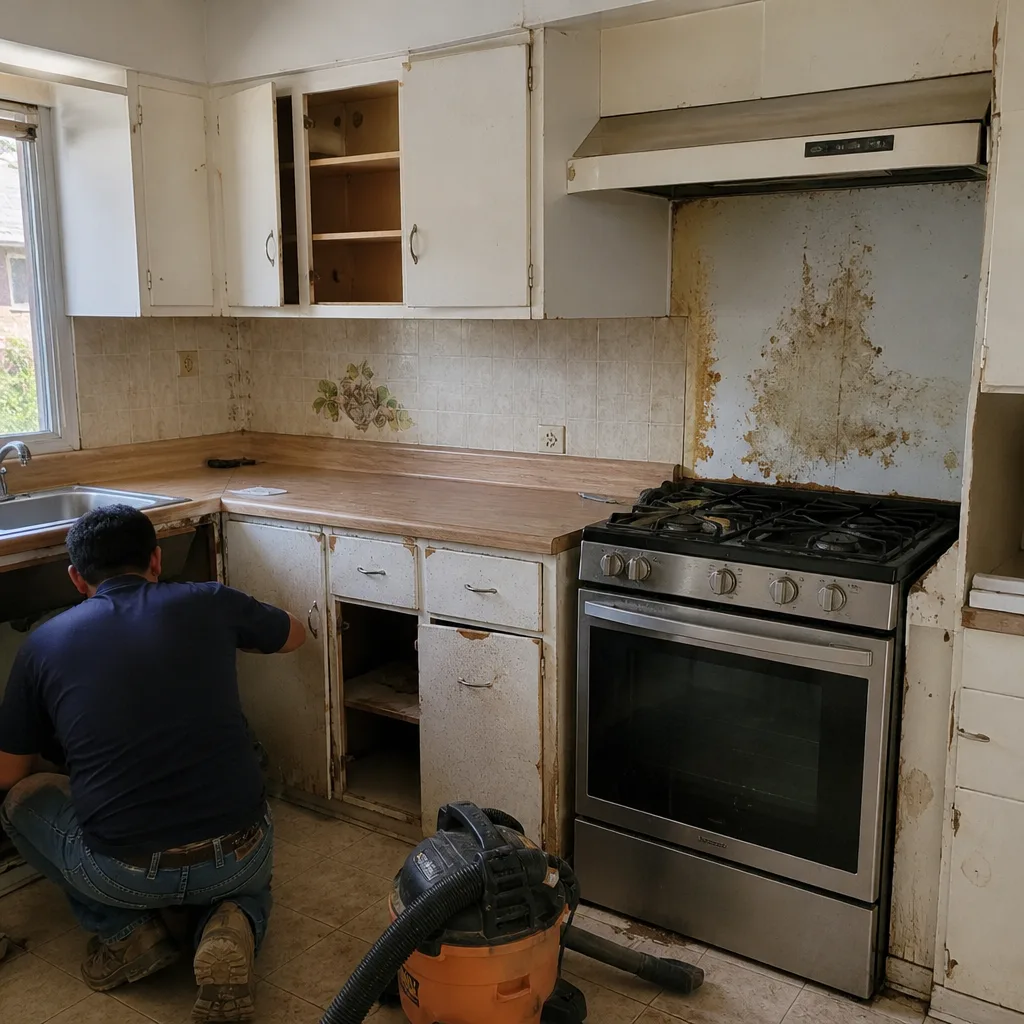 Before
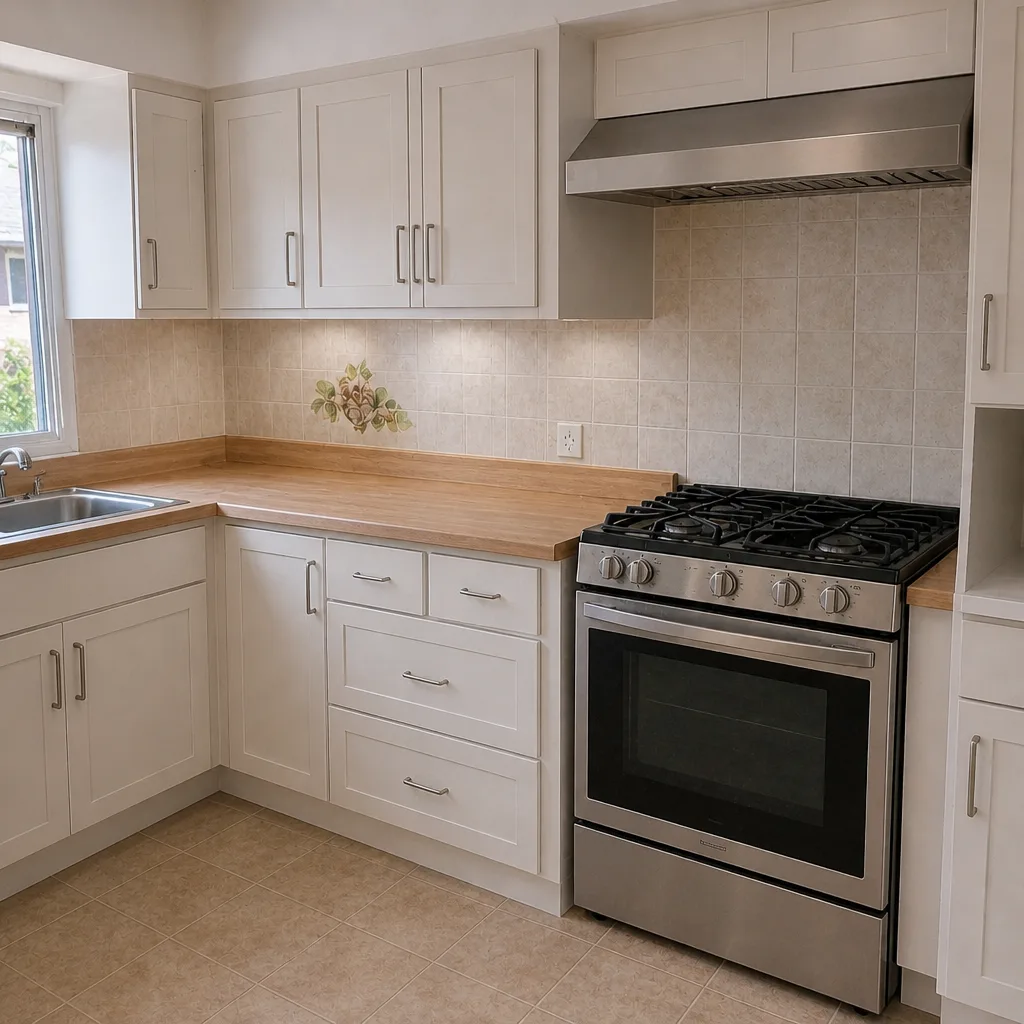 After
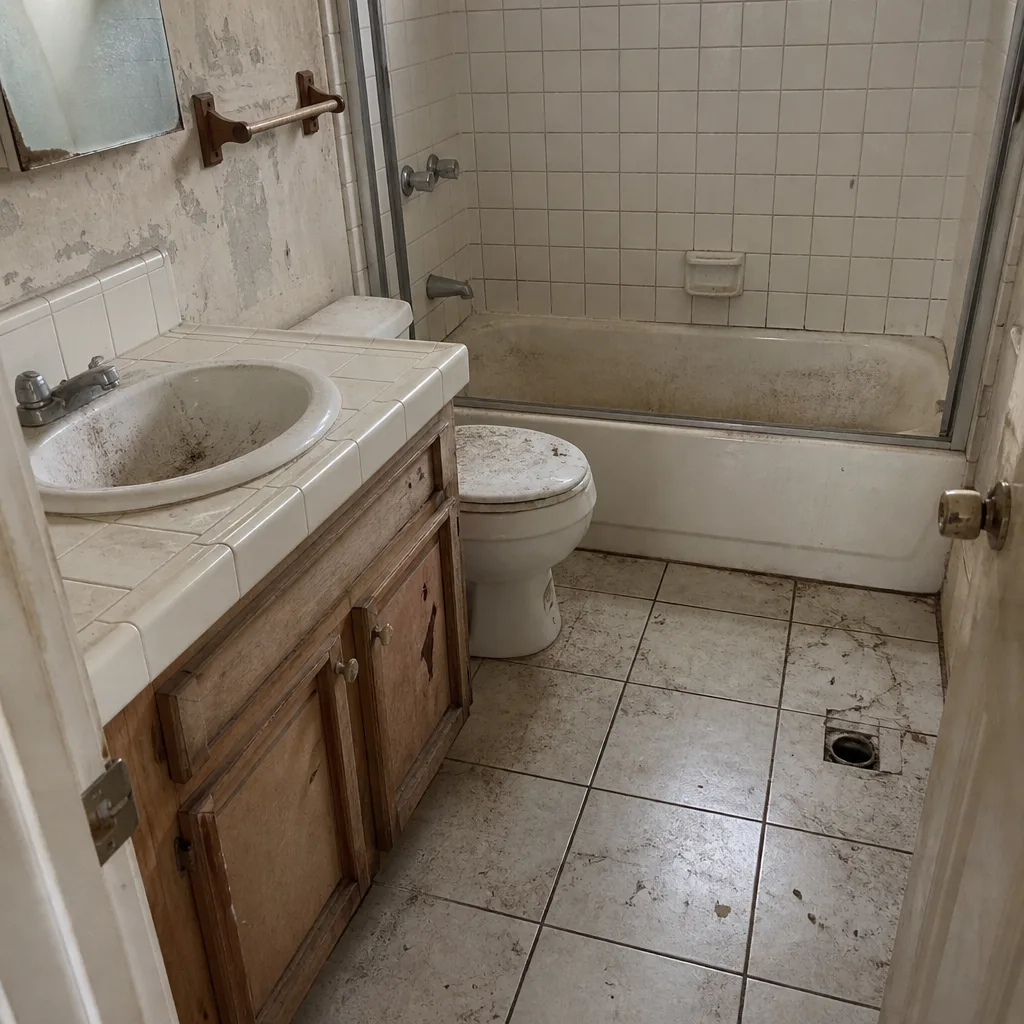 Before
 After
When to Call a Professional
Some fences are a weekend project. Yours may not be. Call a professional if any of the following is true: you’re building a fence over 6 feet, which triggers a Fullerton permit and a footing detail drawing; your lot sits on the expansive clay common in neighborhoods across Fullerton, where a 24-inch post won’t hold; the fence runs along a property line and you’re unsure of the boundary; you’re installing a gate or a heavy privacy panel that puts real load on the posts; or you simply want a written price and a warranty before anyone digs. Setting footings deep and true is physical work with real consequences if it’s wrong, and a fence that has to be reset in five years costs more than doing it once. Rowan Construction Group Fullerton offers free estimates in Fullerton – call (844) 320-7095, and we’ll bring a written price, a written scope, and a documented photo record as standard.
Frequently Asked Questions
Installed fence costs in Fullerton run $32 to $44 per linear foot for pressure-treated pine, $48 to $62 for Western red cedar, $58 to $68 for Trex Seclusions composite, and $40 to $56 for aluminum ornamental, including footings and hardware. The range depends on height, gate count, accessibility, and old-fence removal. Call (844) 320-7095 for an exact quote on your run – estimates are free and the price is written before any work starts.
Yes, a fence over 6 feet in height requires a Fullerton permit, and the application needs a site plan with property line dimensions, a footing detail drawing, and neighbor notification documentation. Front-yard fences are capped lower and need checking against the city’s current limits. Confirm the exact threshold for your address at the planning counter before you buy material.
Set fence posts 36 inches deep on Fullerton’s clay-heavy lots, even though the California Residential Code minimum is 24 inches. The extra foot gets the concrete below the zone of seasonal soil movement and is the documented field standard for keeping posts plumb past year five. The code minimum is a floor, not a prescription for local ground.
No work proceeds on any change until the change order is signed, so the price you agree to is the price you pay. The written quote gives a flat price with a written scope and a written warranty. Call (844) 320-7095 to schedule your free estimate and see the number in writing first.
On-site work takes two to four days for a typical 100- to 150-foot fence, but permit review and footing cure add time before that. A clean application with neighbor documentation moves fastest. Call (844) 320-7095 and we’ll lay out the timeline for your specific project – the estimate is free.
Yes. We offer a free second opinion on any written estimate – bring a competitor’s quote and we’ll review it line by line at no charge, checking post diameter, concrete mix, hardware grade, and warranty scope. It’s the fastest way to see what a quote is really specifying. Call (844) 320-7095 to set it up.
The Bottom Line
In Fullerton, a fence is built below the dirt first. Get the footing right – 36 inches on clay-heavy lots, not the 24-inch code minimum – and everything above it holds. Clear the permit with a complete package: site plan with measured property lines, footing detail, and neighbor notification, and know that any fence over 6 feet triggers it. Buy by the numbers on the contract: post diameter, concrete mix by sack weight, stainless hardware, and a workmanship warranty that names what it covers. Budget $32 to $68 per linear foot installed. Then the fence stays plumb, the gate keeps latching, and the neighbor conversation happened before the posts went in.
When you’re ready to price your project, call Rowan Construction Group Fullerton at (844) 320-7095 for a free estimate. You’ll get a written price before any work starts, a documented photo record, background-checked and uniformed technicians, and a live person on the line 24/7. Our technicians have up to 19 years of experience, and every project is backed by the 365-Day Done Right Promise.
Written by the team at Rowan Construction Group Fullerton.