Last updated November 18, 2026


Free written scope consultation - allowances, timeline, and change-order rules on paper before a single trade is scheduled
DIY vs Professional Bathroom Remodeling: What’s Safe to Do Yourself
In California, unpermitted plumbing or electrical work in a bathroom can be flagged during a home sale and require full disclosure, or remediation at the seller’s cost, no matter how clean the work looked when it was finished. That single fact reshapes the entire DIY conversation. The question isn’t whether you’re handy enough to hang a vanity or set tile. It’s whether the work you’re about to do creates a record that follows the house. This guide draws a hard line between bathroom tasks that are legally and structurally safe for a Fullerton homeowner to handle and the ones that quietly become liability the moment they’re covered by drywall. You’ll get the license categories that actually apply, the failure modes nobody sees coming, and a realistic hybrid plan with real dollar savings.
Quick Answer
Painting, hardware swaps, mirror hanging, and swapping a freestanding vanity on existing supply lines are safe DIY bathroom projects for most homeowners. Anything that touches the wet wall (shower pan liner, valve rough-in, vent stack tie-ins) or the electrical panel legally requires a licensed C-36 plumbing or C-10 electrical contractor in California, and DIY failure in those areas stays invisible until it’s expensive. In Fullerton, the safe split is roughly 20 to 30 percent of a typical remodel by cost, mostly demo and finish work.
Styles & brands we work with
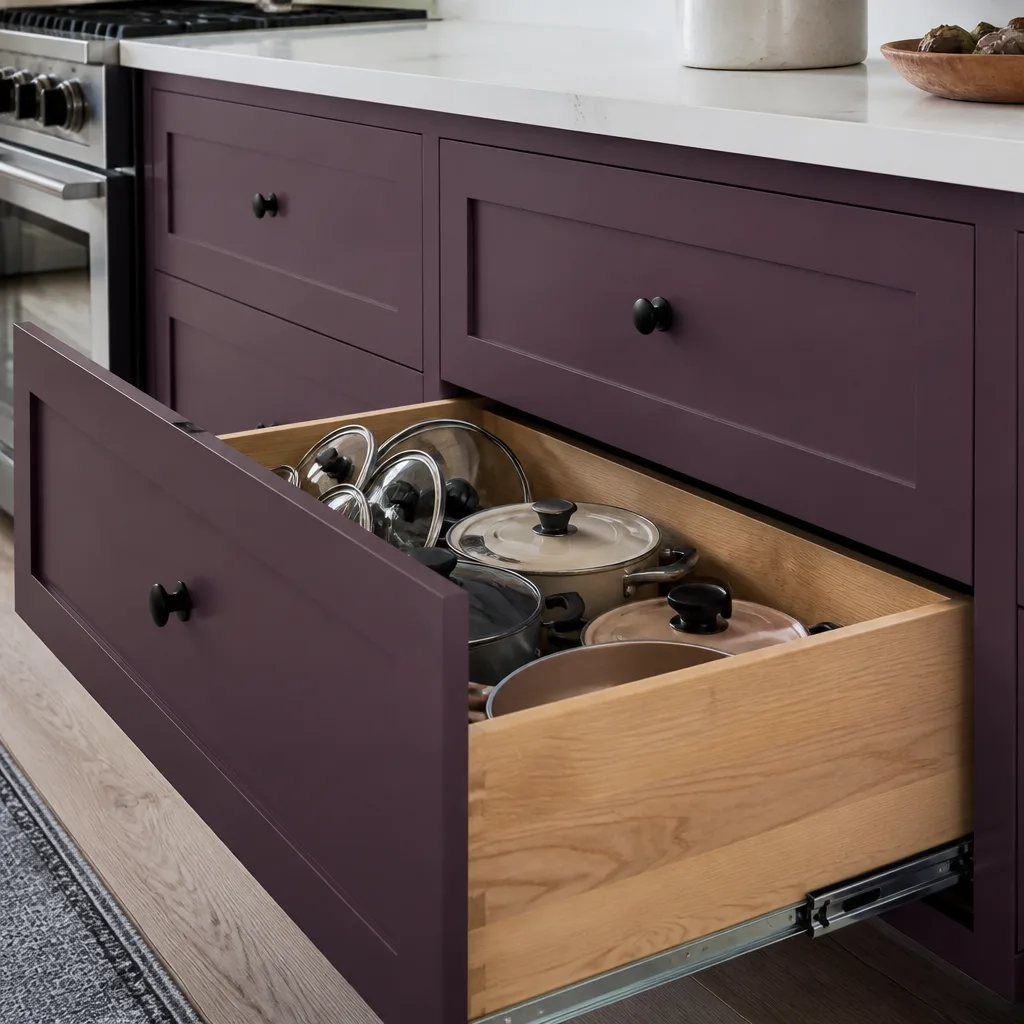
- Kitchen remodeling
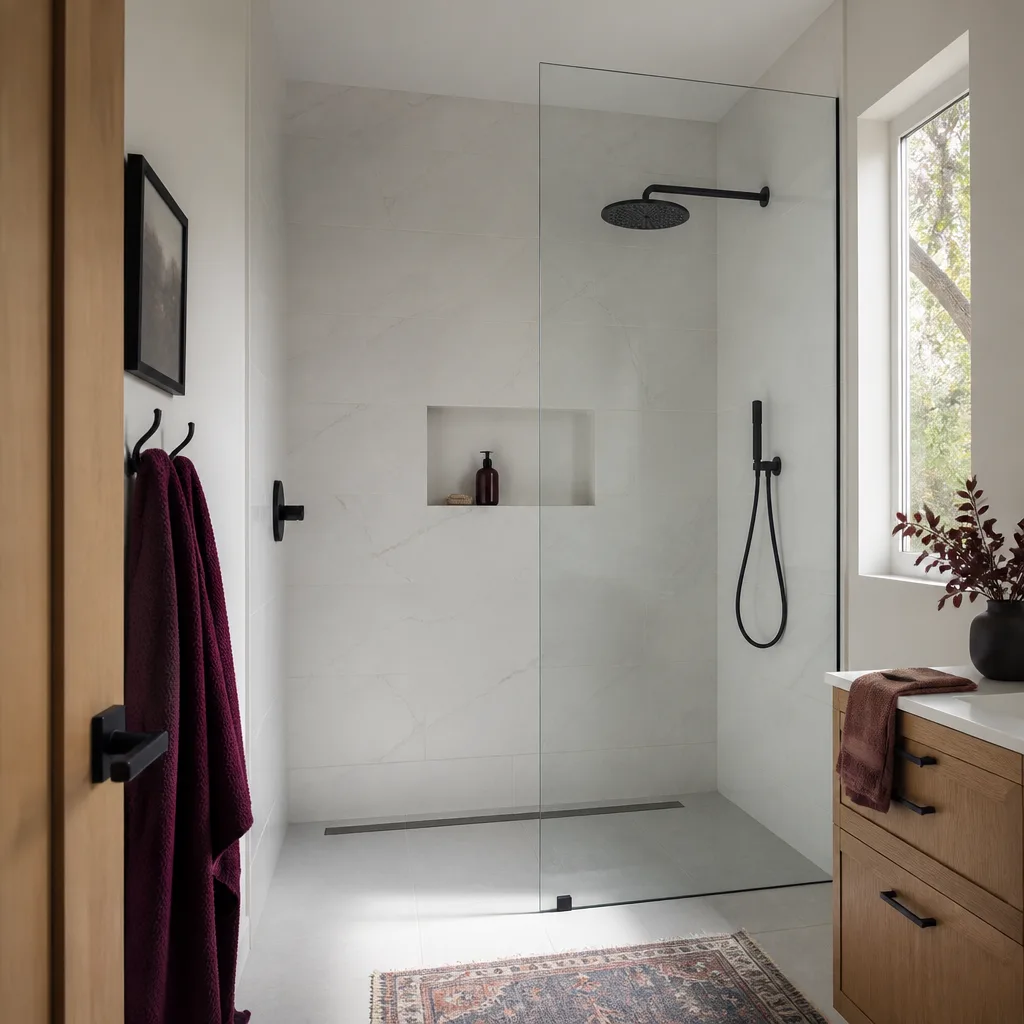
- Bathroom remodeling
- Home additions & ADU
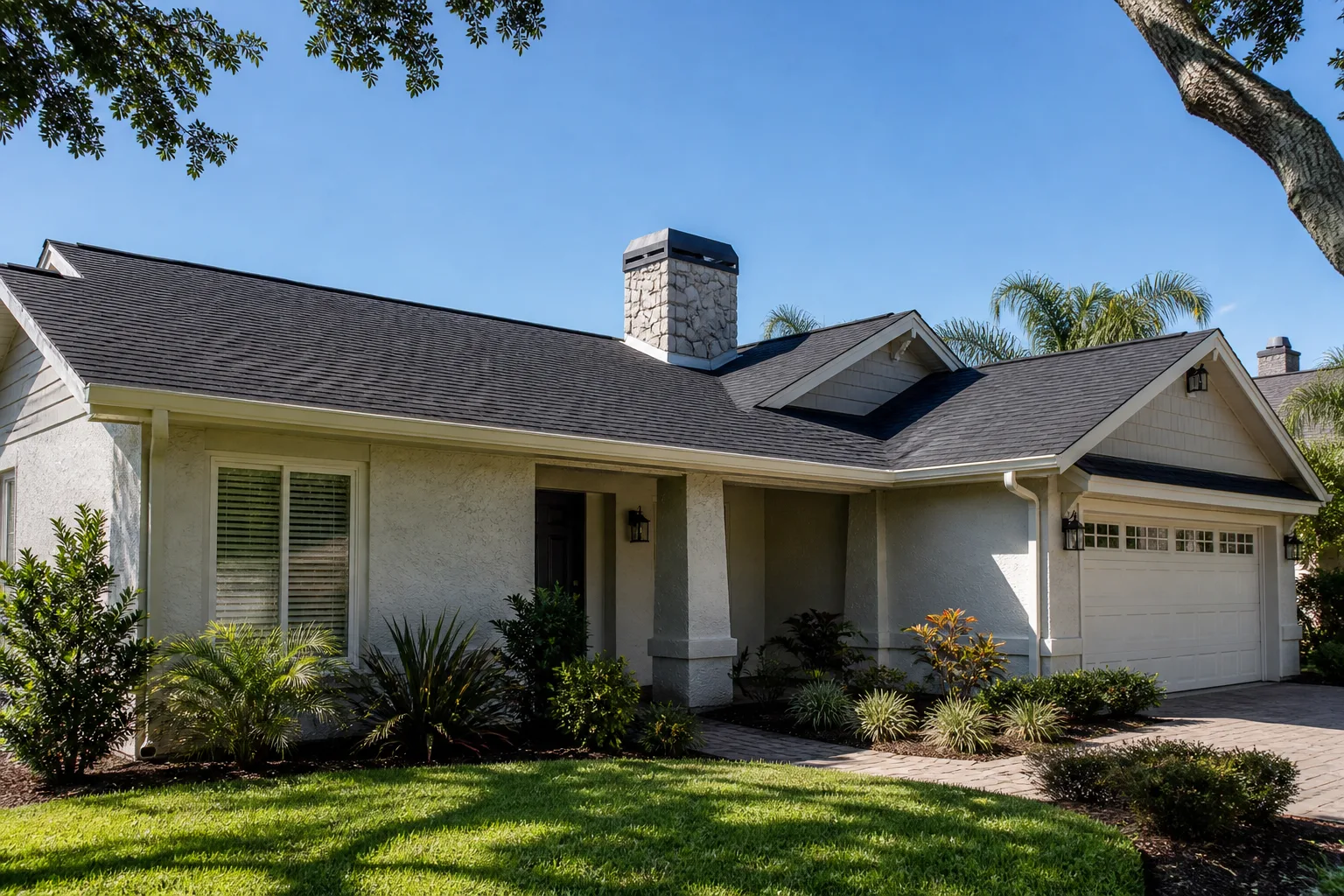
- Roofing
- Windows & doors
- Driveway & pavers
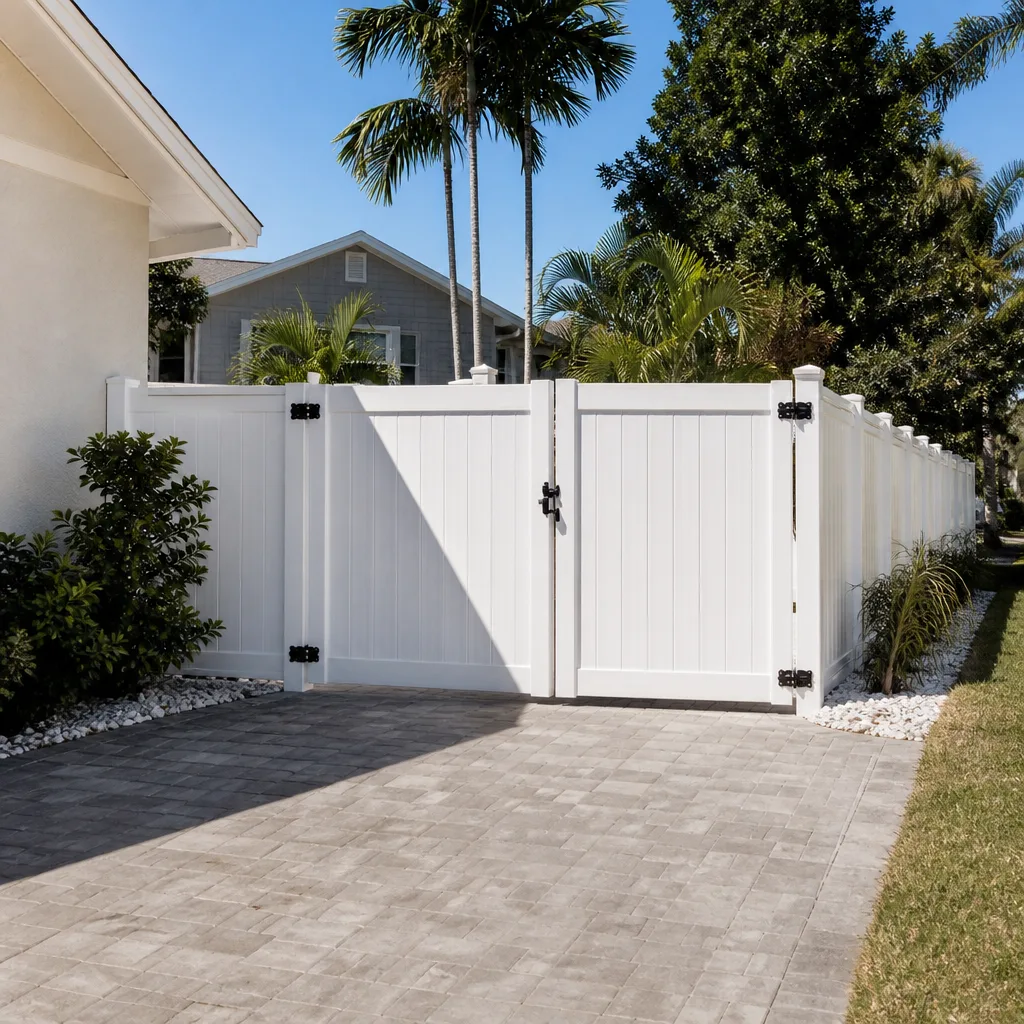
- Fence
Table of Contents
- What California License Law Actually Says About Bathroom Work
- The Bathroom Jobs With a High DIY Success Rate
- Where DIY Failure Stays Invisible Until It’s Catastrophic
- How Unpermitted Bathroom Work Affects Your Insurance
- How to Structure a Hybrid Remodel and What You’ll Actually Save
- Fullerton-Specific Code and Climate Notes
- Side-by-Side: DIY vs Licensed Pro by Task
- Do You Need a Permit? A Simple Decision Tree
What California License Law Actually Says About Bathroom Work
California’s Contractors State License Board (CSLB) draws the line at work performed for compensation. The homeowner exemption lets you pull permits and do your own work on the home you live in, but it does not let you hire an unlicensed “handyman” to do licensed-scope plumbing or electrical and then sign off on it. That distinction trips up a lot of Fullerton homeowners who assume a cheaper unlicensed crew is just a shortcut around paperwork. It’s actually a shortcut around warranty, bonding, and insurability.
Three license classifications cover most bathroom scope:
- C-36 Plumbing – covers water supply lines, drain-waste-vent systems, shower valves, and fixture installation. Anything that carries water or sewage in a permanent way.
- C-10 Electrical – covers anything past the receptacle faceplate: new circuits, GFCI installation at the panel, in-wall wiring, and exhaust fan motors wired to a new connection.
- C-20 HVAC – relevant to bath remodels when you’re installing a new exhaust fan that ties into ducting, or a heated floor tied into a mechanical system.
A general B-license contractor can oversee all three but can’t substitute for them on permitted work. On a Rowan project in Fullerton, the permits are pulled under the correct classification, and the trade subcontractor of record is named on the permit.
The Bathroom Jobs With a High DIY Success Rate
These tasks fail safely. If you get them wrong, you see it immediately and it costs you a few dollars and an afternoon. They don’t hide behind a wall. They don’t interact with a permit, and they don’t void a claim if something goes sideways.
Painting and caulking. Bathroom paint needs a mold-resistant product on a properly cured, primed surface. The homeowner can handle both. Caulk lines get redone by pros; a careful DIY re-caulk with a 100% silicone in the tub surround and a paintable latex on the drywall/trim joint is fine.
Hardware and fixture swaps on existing connections. Replacing a faucet, showerhead, towel bars, or the toilet seat is fine if the rough-in valve is untouched and the shutoffs hold. If you’re replacing a standard faucet with a standard faucet, the supply lines are already there.
Mirror and medicine cabinet installation. Mounted properly into studs, or into drywall anchors rated for the load. A competent DIY install uses a stud finder and gets it right.
Freestanding vanity replacement on existing supply lines. Same location, same drain rough-in. This is a common Fullerton project on bathrooms built in the 1980s and 90s where the vanity cabinet has aged out but the plumbing under it is fine. You’re pulling two supply lines and a P-trap, sliding the old cabinet out, and sliding a new one in. If you move the drain or supply, you’ve crossed the line.
Demo. Pulling tile, removing the old vanity, and stripping hardware is unskilled labor with a low cost of error as long as you know where the water shutoff is and where the studs and pipes are. This is where most of the hybrid savings come from.
Avoid swapping a freestanding vanity for a wall-hung unit yourself. That’s not a like-for-like job, and the framing, blocking, and drain relocation that come with it push the work into permit territory.
Where DIY Failure Stays Invisible Until It’s Catastrophic
These are the tasks that pass a visual inspection on a Saturday and destroy subfloor over eighteen months. In our experience, the top three failure modes in Fullerton bathrooms are shower pan liner slip-ups, electrical terminations behind tile, and vent tie-ins made at the wrong pitch.
Shower pan liner. The liner is a PVC or CPE sheet that sits below the tile bed and directs water to the drain weepholes. Three failure modes dominate:
- The liner gets punctured during pre-slope screeding. You can’t see the puncture once the mortar bed goes in.
- The weepholes at the drain flange get blocked by mortar, so water sits in the bed and wicks up the walls.
- The liner is installed without a pre-slope, so water pools and stagnates against the subfloor instead of draining.
The result is rot under the tile that shows as a soft spot in the hallway floor eighteen months later. A C-36 can install a pre-sloped bed, a properly weep-protected liner, and a flood test that documents water tightness before the tile goes down.
Wet-wall electrical. A GFCI that’s mis-terminated, a heater circuit spliced behind the shower wall, or a fan wired to the light switch in a way that leaves the motor hot when the switch is off. None of these fail today. They fail when moisture reaches the splice.
Vent stack tie-ins. In a bathroom that’s adding a fixture or relocating a toilet, the vent connection has to maintain pitch back to the main stack, and the trap arm has to be sized correctly. A vent that’s flat or reverse-pitched traps sewer gas in the wall and shows as a persistent smell you can’t source. It’s a code violation, a selling problem, and often a $1,200 to $2,500 remediation.
How Unpermitted Bathroom Work Affects Your Insurance
Here’s the scenario we see most often in Fullerton: a bathroom was remodeled before the homeowner bought the house. The work looks fine. Eighteen months into ownership, a supply line behind the shower fails and floods the subfloor and the ceiling below. The adjuster asks for permits. There’s no record of permitted plumbing on the fixtures that failed. The insurer has grounds to deny or partially deny, because unpermitted plumbing work performed without inspection is often excluded or treated as a pre-existing condition.
A standard California homeowner policy almost never has an explicit “unpermitted = denial” clause. The catch is subtler. Most policies exclude damage caused by faulty workmanship and by long-term repeated seepage. An unpermitted shower pan that leaks slowly for a year reads to an adjuster as long-term seepage. A permitted and inspected shower pan that fails suddenly reads as a covered loss. The permit record is what tilts the file.
What to do about it:
- Pull the permit history on any bathroom you buy. Fullerton building records are available through the city, and a title company can typically pull permit history as part of close.
- Keep the permit and inspection card in your home file. It’s the single most useful document to hand an adjuster.
- If you’re selling and a remodel was unpermitted, disclose it. Nondisclosure of material unpermitted work is a much larger liability than disclosure will ever be.
Permit and inspection records are the one form of reconstruction evidence insurance adjusters actually believe. Under Clause 1 of the Haven Standard, that record is part of the job we deliver, and it’s why we pull permits on every item in scope rather than treating “permit required” as an upgrade.
How to Structure a Hybrid Remodel and What You’ll Actually Save
Hybrid projects are the practical answer for homeowners who want to keep some hands on their own bathroom without creating risk. The pattern we see work best starts with a licensed team on the items that need permit coverage, and homeowner labor filling the finish gaps.
- Scope the split in writing before anyone starts. The licensed team handles all permit-required work: plumbing rough-in, electrical, mechanical, structural, and the tile and waterproofing under the wet areas. Homeowner handles demo, painting, hardware, and finish accessories.
- Homeowner performs demo. Pulling the old vanity, taking tile off the walls, and clearing the room. This is honest sweat labor and saves the most per hour. Protect the drain and supply lines and photograph what’s behind the walls before it’s closed.
- Licensed pro does all wet-wall work. Shower pan, valve rough-in, vent tie-ins, electrical, and GFCI. The permit is pulled here and the inspection card is documented.
- Homeowner paints, hangs mirrors, installs hardware and accessories after closing. The pro sets the room; the homeowner finishes it.
- Pro leaves with a documented photo record. Walls before closure, waterproofing before tile, and final install. The homeowner keeps a copy for insurance and resale.
Realistic savings in 2026 Fullerton dollars:
- Demo: $800 to $1,800 saved versus pro labor on a typical 5×8 full bath.
- Painting and caulking: $600 to $1,200 saved.
- Hardware and accessory install: $300 to $700 saved.
- Total realistic savings: $1,700 to $3,700 on a full bath remodel that completes at a typical $18,000 to $35,000 in this market.
What cuts the other way: DIY waterproofing, DIY pan liner, and DIY electrical savings look bigger (often $3,000 to $6,000) but carry the entire downside of the invisible failure. On a cost-adjusted basis, that’s the worst trade in the room.
Fullerton-Specific Code and Climate Notes
Fullerton has a specific set of conditions that shape bathroom work here. The older housing stock matters more than most homeowners realize. A large share of Fullerton stock was built between 1950 and 1985, before the current waterproofing and shower pan standards were codified. If you’re touching a bathroom from that era, expect to find a copper drain that’s reaching end of life, a cast iron stack with scale, and often no pre-slope under the original tile bed. Pulling tile in a mid-century Fullerton bathroom isn’t a cosmetic job; it’s a plumbing inspection by default.
Climate: Fullerton summers hit 95 to 100 degrees for stretches in July and August, and bathrooms with west-facing windows or no fan get humid fast. A bath fan sized to the cubic footage of the room (not just “a fan”) is what keeps the paint and tile from failing. A C-20 installs and ducts the fan; a cheap DIY fan that vents to the attic rather than through the roof pushes warm moist air into the attic and rots roof sheathing over a few summers. That matters enough that we treat the fan and its ducting as a standard line item, not an afterthought.
Permitting: bathroom plumbing and electrical changes require permits through the City of Fullerton. The city inspector needs to see rough-in before cover, so timing matters. A team that hasn’t sequenced inspection dates into the schedule loses weeks. On Rowan projects, the inspection card is part of the written scope so the homeowner knows which stages are inspected and when.
Side-by-Side: DIY vs Licensed Pro by Task
- Painting, caulking: DIY ok. No permit. Low failure cost.
- Hardware swaps, mirror install: DIY ok. No permit. Low failure cost.
- Freestanding vanity replacement (same rough-in): DIY ok in most cases. Check whether your local AHJ requires a permit for fixture swaps, and confirm the existing shutoffs hold.
- Shower pan liner and waterproofing: Licensed pro only. Permit required. High failure cost; invisible failure mode.
- Valve rough-in, drain relocation, vent tie-in: Licensed C-36 only. Permit required. High failure cost.
- New GFCI circuit, exhaust fan wiring, heated floor: Licensed C-10. Permit required. High failure cost.
- Exhaust fan ducting through the roof or ceiling: Licensed C-20 for the fan and ducting. High failure cost if ducted wrong.
- Demo: DIY ok. Low failure cost if shutoffs are known and pipes are mapped.
- Tile setting on a properly waterproofed substrate: Experienced DIY. Medium failure cost; cosmetic if done poorly, expensive if done on bad substrate.
Do You Need a Permit? A Simple Decision Tree
- Are you touching a water supply line, drain, or vent? Yes → permit and C-36. No → step 2.
- Are you touching line voltage electrical past the receptacle faceplate? Yes → permit and C-10. No → step 3.
- Are you moving or installing a mechanical exhaust fan or in-floor heating system? Yes → permit and C-20. No → step 4.
- Are you moving a wall, a door, or a structural element? Yes → permit and structural review. No → step 5.
- Is it a like-for-like replacement of a fixture on the same rough-in? Usually no permit required. Check with the City of Fullerton to confirm.
- Is it cosmetic (paint, hardware, mirror, cabinet pull, tile on already-waterproofed substrate)? No permit.
When in doubt, call the permit desk. A permit that turns out not to have been needed costs a few hundred dollars. Work performed without a required permit costs more when it’s flagged at sale.
Common Mistakes to Avoid
- Treating “unlicensed handyman” as a cheaper pro. Unlicensed workers can’t pull permits, aren’t bonded, and leave no warranty. The savings are short-lived and disappear at sale.
- Doing your own shower pan liner. The membrane is behind the tile, so the failure is hidden. A proper install includes a pre-slope, a weep-protected drain flange, and a flood test that proves it holds before tile goes down.
- Skipping the fan and ducting detail. Venting warm air into the attic instead of through the roof is one of the most common Fullerton DIY mistakes and the roof sheathing tells the story three summers later.
- Buying a shower valve that doesn’t match the rough-in valve. In Fullerton’s older bathrooms, the rough-in is often a legacy pressure-balance valve. A new trim kit won’t fit, and the swap becomes a rough-in job, not a cosmetic one.
- Chasing the cheapest fixture spec. Imported shower cartridges and finishes labeled as solid brass sometimes aren’t. In a hard-water area, the difference in finish durability over five years is dramatic.
- Covering up before inspection. Drywall over unpermitted rough-in work is the classic mistake. The city inspector has to see the work at rough-in stage.
- Building a bathroom for resale you’d never want to buy. A finished bathroom with a soft floor near the shower is a visible negotiation point at sale. Waterproofing is the item to spec up, not down.
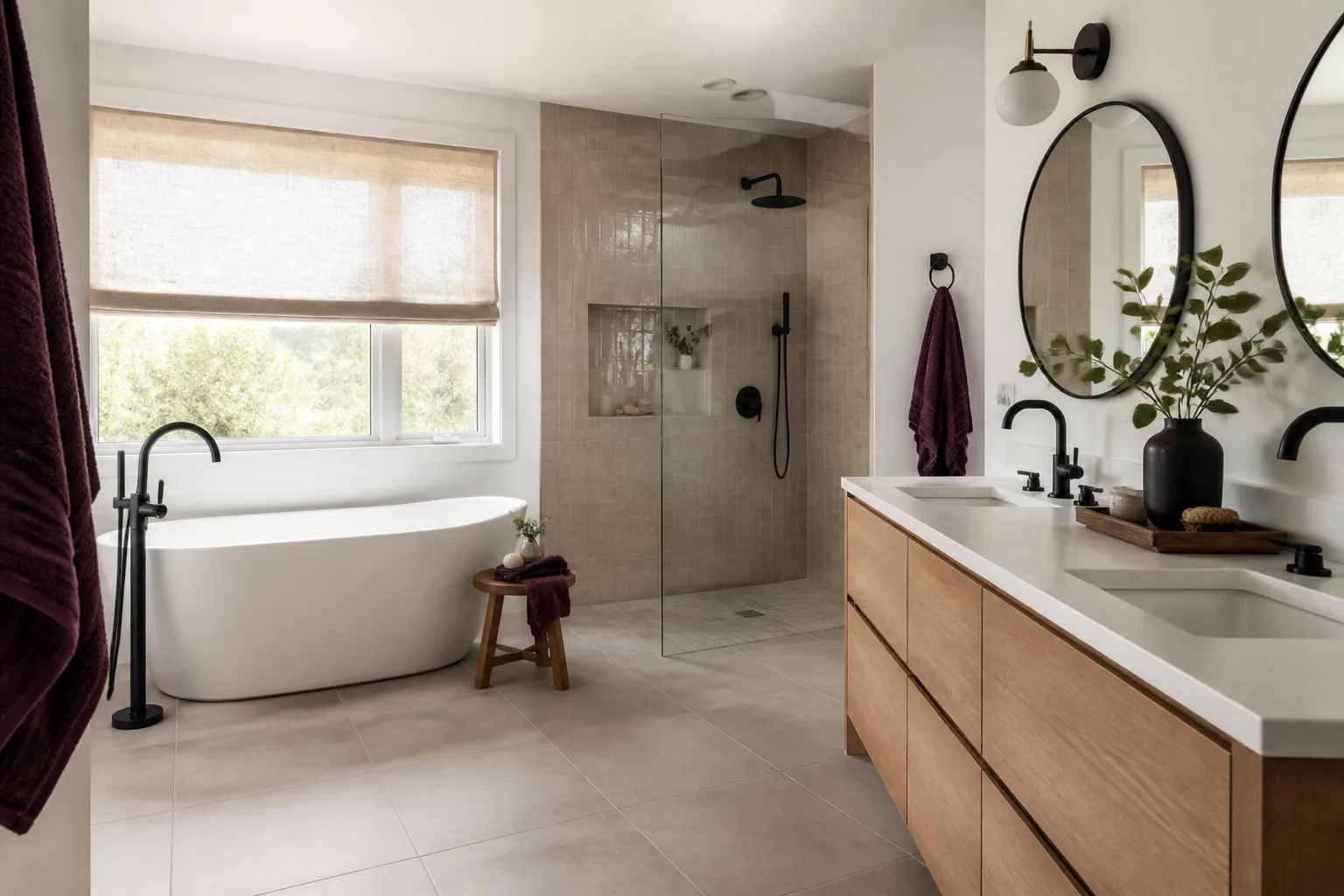
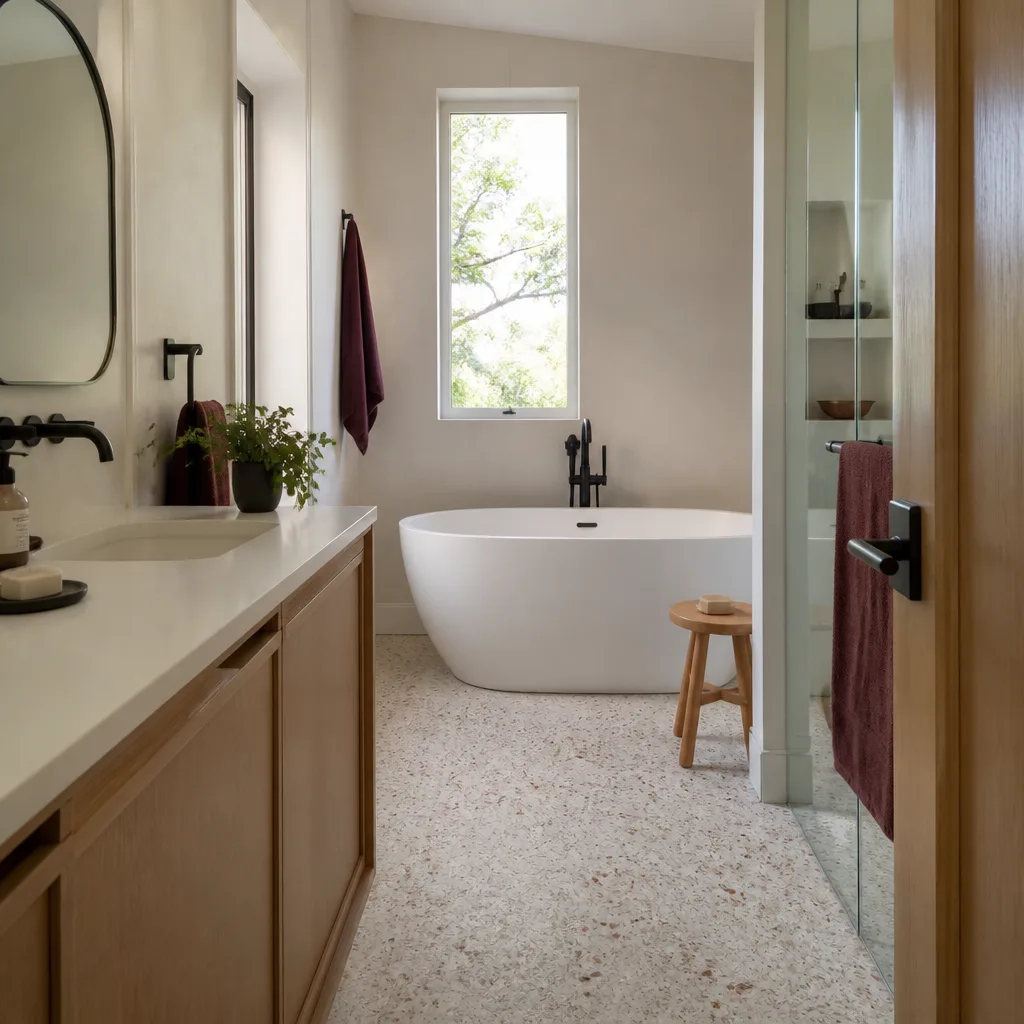
See the difference
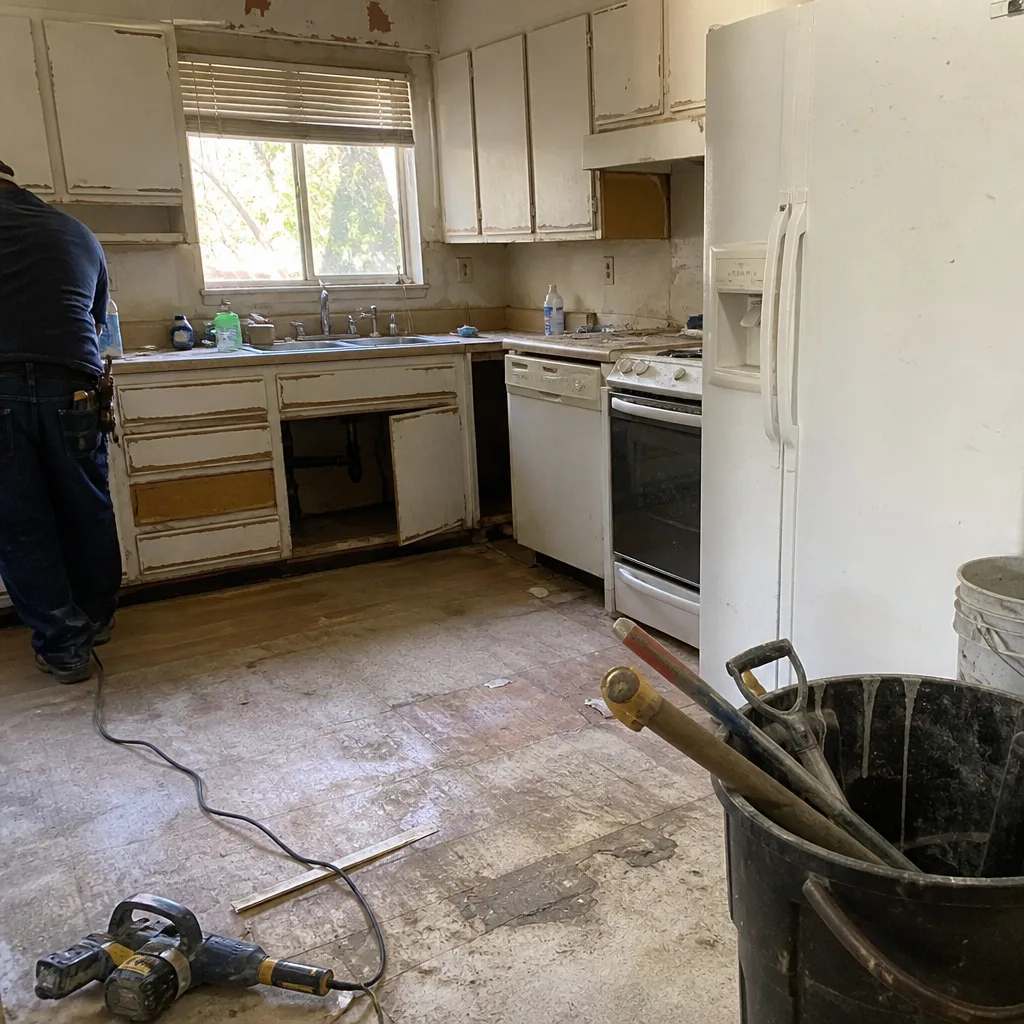 Before
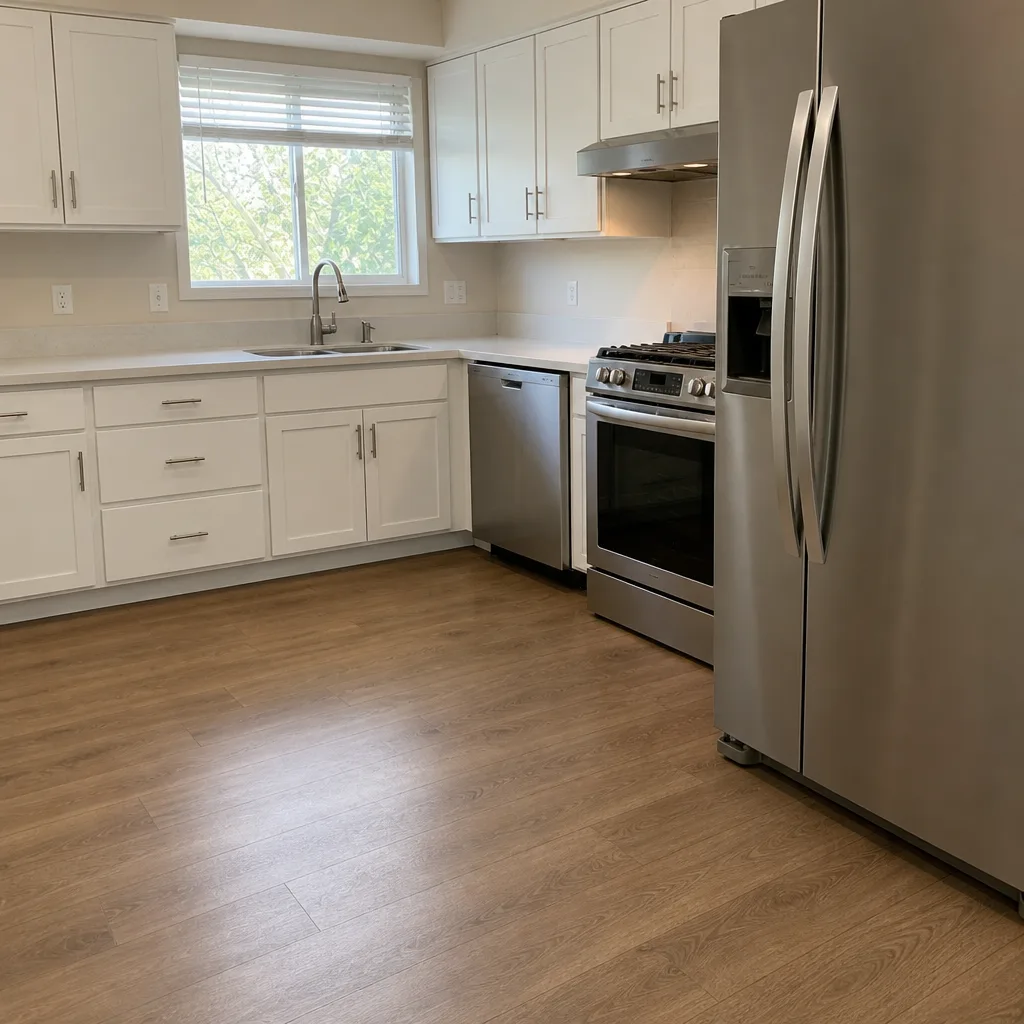 After
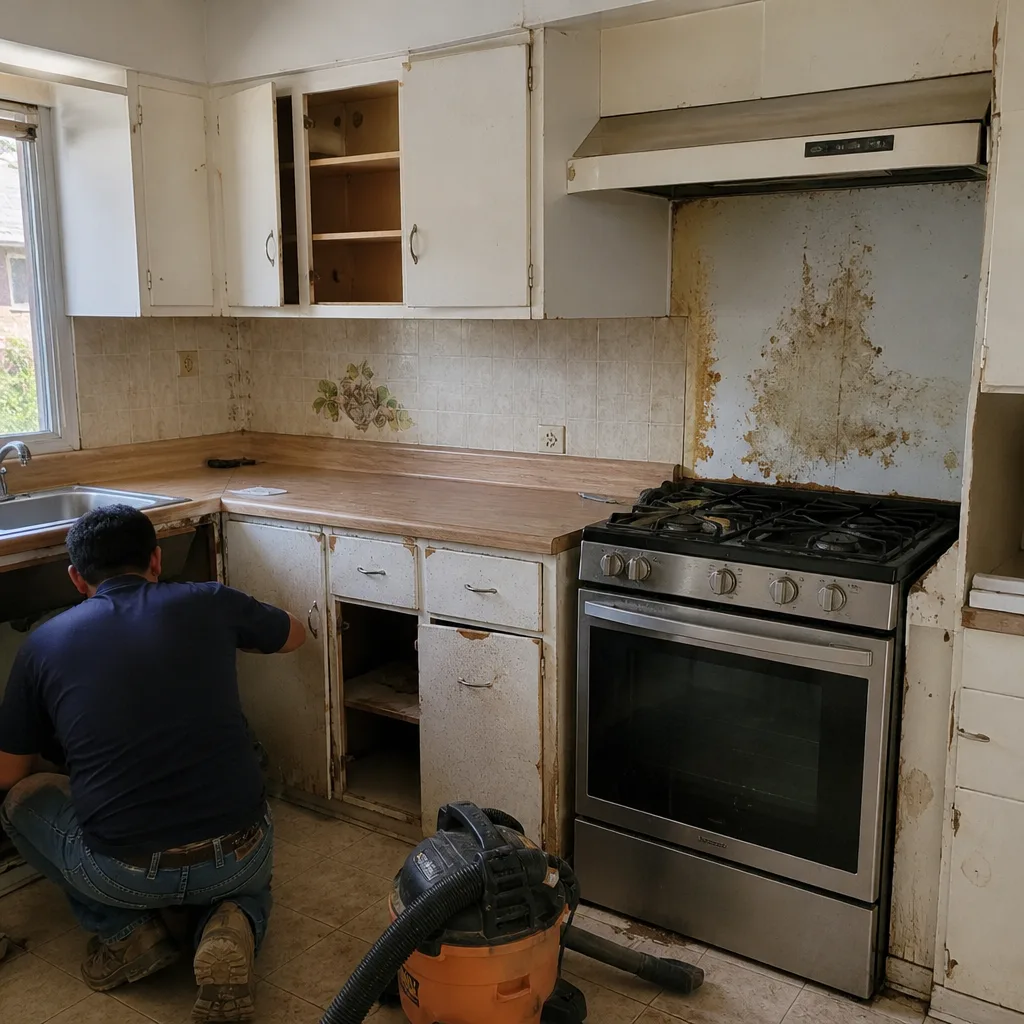 Before
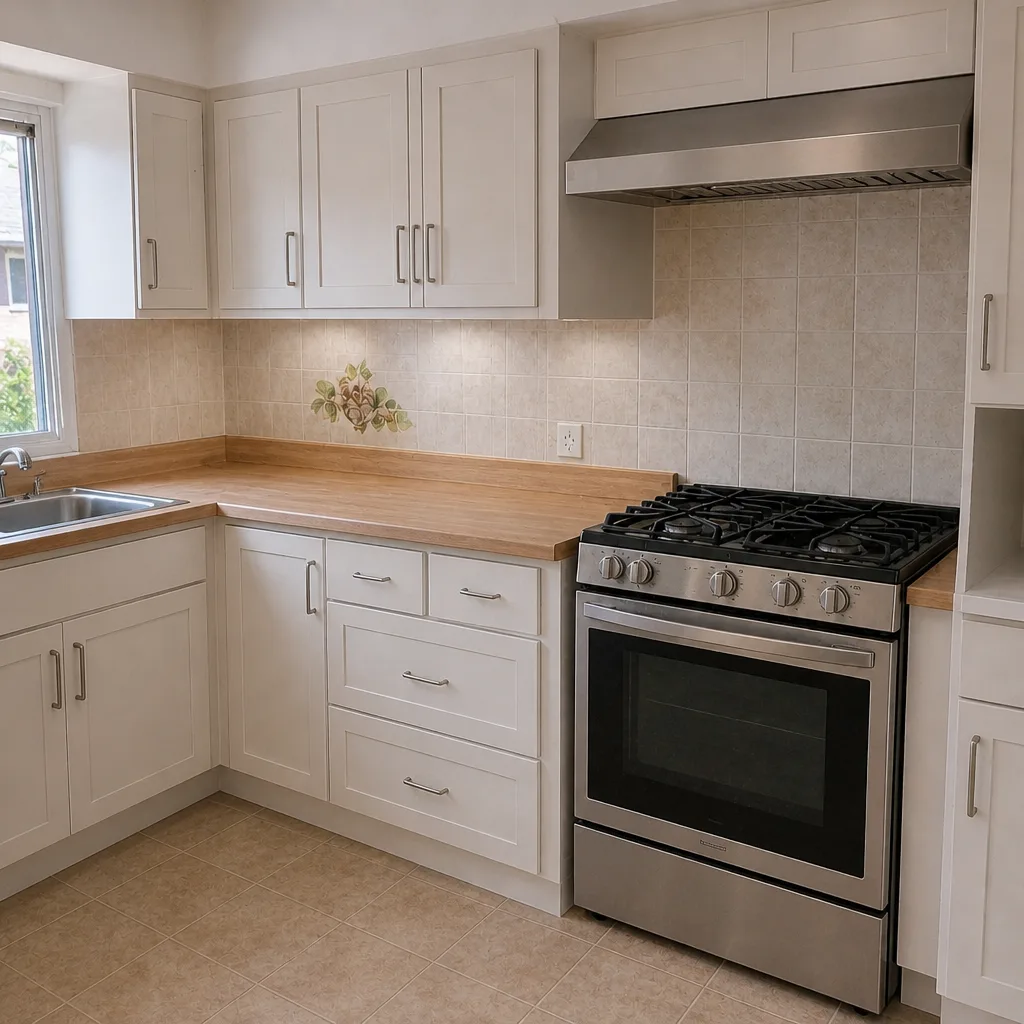 After
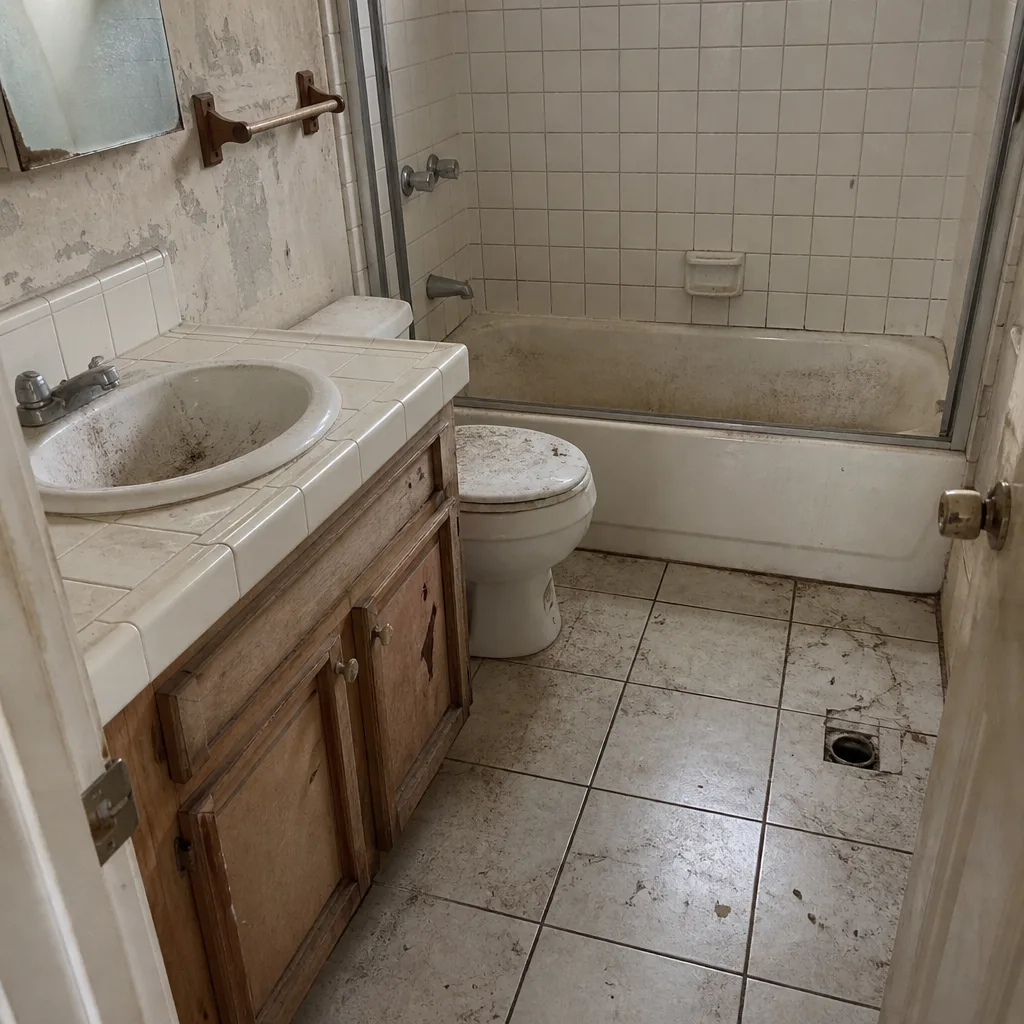 Before
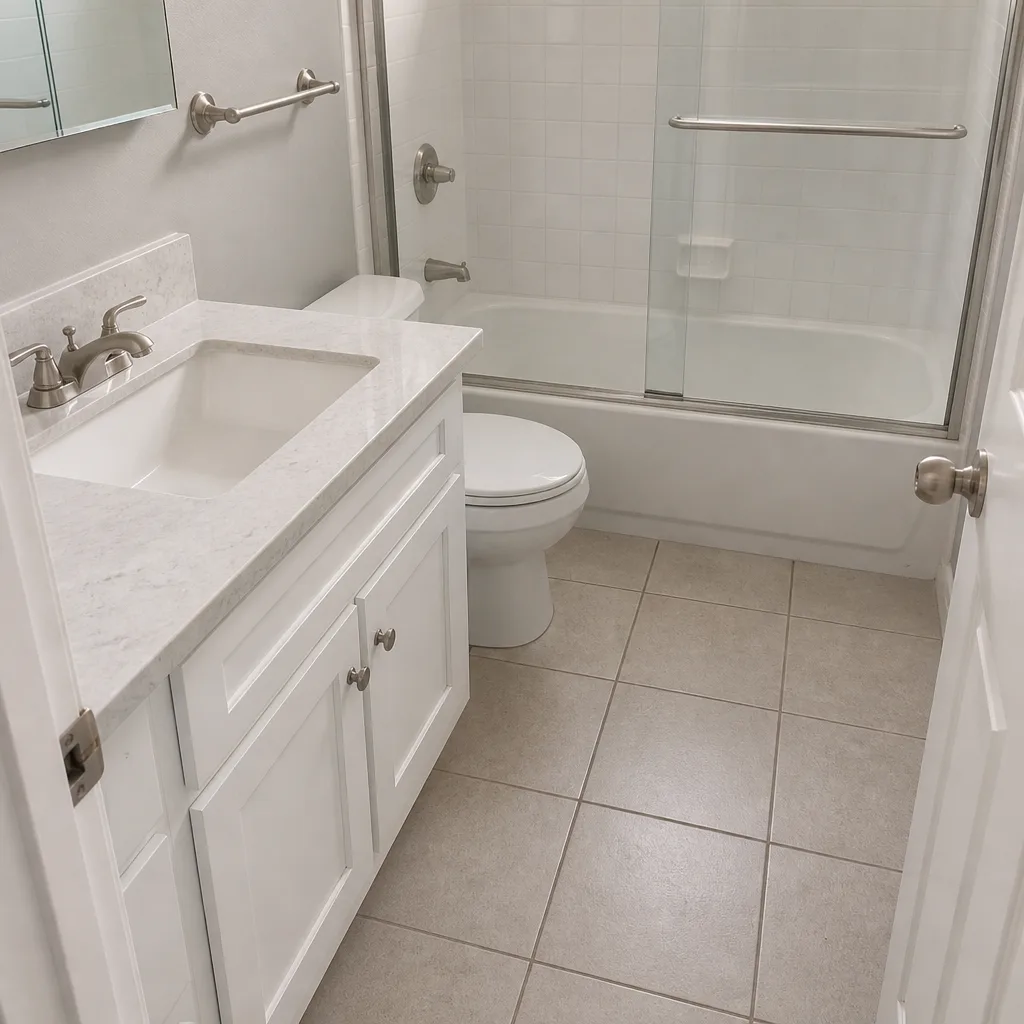 After
When to Call a Professional
Call a professional the moment the scope touches a water line, drain, vent, panel circuit, or structural element. Also call a pro when the visible condition of the bathroom is unknown, because opening the wall is where a cheap remodel becomes a correct one. If you find wet subfloor, a soft spot near the shower, a corroded drain, or a subfloor that’s visibly discolored under old tile, that’s a C-36 job, not a cosmetic job, and it’s the point at which a written scope and the permits that go with it are cheaper than any remodeling work you do afterward. We’ve also seen homeowners call us at the end of a DIY job to close out an inspection the city flagged, and the cost of doing it in that order is consistently more than doing it in the right order from the start. Rowan Construction Group Fullerton offers free estimates in Fullerton. Call (844) 320-7095 for a written, line-item number before you buy a single tile.
Frequently Asked Questions
Yes, if you own and live in the home and are doing the work yourself, California’s homeowner exemption lets you pull permits and perform the work. The exemption does not extend to hiring an unlicensed worker to do licensed-scope work on your behalf. For electrical, plumbing, and mechanical work, a licensed C-10, C-36, or C-20 should be the one on the permit. Call (844) 320-7095 for an exact quote on the licensed portion; estimates are free.
The shower pan liner install is the most common failure we’re called to correct. Homeowners buy a kit at a local home center, install it over the existing subfloor without a pre-slope, and tile on top. Water pools against the subfloor, sits there, and rots wood for months before a soft spot telegraphs through the hallway floor. Remediation often runs $4,500 to $9,000 because the shower has to be demolished and rebuilt.
It often does, particularly on the plumbing and electrical side. A buyer’s inspector will pull the permit history and flag missing records for wet-wall plumbing and electrical rough-in. At that point, the seller discloses, remediates at their own cost, or credits the buyer. Call (844) 320-7095 for a second opinion on any written estimate before you sign; we’ll review it line by line at no charge.
About $1,700 to $3,700 on a typical full bath, assuming the homeowner does demo, painting, and hardware install and leaves all wet-wall and permit-required work to a licensed trade. Larger “savings” from DIY plumbing and electrical usually don’t hold up after the cost of remediation is factored in. Call (844) 320-7095 to price the licensed portion with a written number before work starts.
Usually no, if the vanity goes back on the same rough-in and no plumbing or electrical is relocated. The moment the drain, supply lines, or electrical outlet move, the work needs a permit and a licensed trade. Verify with the City of Fullerton permit desk for your specific address before you start. Call (844) 320-7095 with your photos and we’ll tell you what we’d pull a permit for.
A full bath remodel in this market typically runs four to seven weeks from demo to final inspection, driven mostly by inspection scheduling and material lead times. Permitting and inspection sequencing usually absorb one to two weeks of that timeline. Call (844) 320-7095 for the schedule we’d lay out for your bathroom.
The Bottom Line
The DIY-versus-pro bathroom line isn’t about confidence. It’s about which work touches water, vent, or panel and which is legally required to be on a permit with a licensed trade. Painting, hardware, mirror install, freestanding vanity swaps, and demo are safe to do yourself and represent real savings in Fullerton dollars. Shower pan liners, rough-in plumbing, vent tie-ins, wet-wall electrical, and mechanical exhaust are the items where failure hides behind drywall and reads as a pre-existing condition to an insurance adjuster. The hybrid model – homeowner demo and finish, licensed team on the permit-required items – captures most of the labor savings without the documentation risk.
If your bathroom needs roof, exterior, or a larger structural scope handled alongside the interior work, our Rowan Construction Group Fullerton home page lays out the seven trades we run and the written-price discipline behind each. For adjoining exterior projects, see Driveway & Pavers in Newport Beach (Techo-Bloc and Unilock options) and Fence Installation in Newport Beach. If the bathroom is part of a larger expansion, our Home Additions & ADU in Newport Beach guide covers the permitting sequence a bathroom addition typically follows. Also useful when bathroom moisture is the concern: our Roofing page on venting and moisture, and our Bathroom Remodeling page for the full-service scope. For background on how we handle written quotes, see our Free Second Opinion page.
Every Rowan project starts with a flat written price and a written scope before work begins. Changes wait for a signed change order. Every visit includes a documented photo record as a standard deliverable. The 365-Day Done Right Promise sits behind all of it. Call (844) 320-7095 to schedule your free estimate in Fullerton.
Written by the team at Rowan Construction Group Fullerton.