Last updated November 18, 2026
Free written scope consultation - allowances, timeline, and change-order rules on paper before a single trade is scheduled
The Complete Windows & Doors Guide for Fullerton Homeowners
California Title 24 requires replacement windows in Fullerton to hit a maximum U-factor of 0.32 and a Solar Heat Gain Coefficient of 0.25 for most projects. That single line eliminates a large share of the units stacked on big-box showroom floors, and it’s the first thing most homeowners discover after they’ve already been quoted on the wrong product. Fullerton sits in Climate Zone 10, an inland pocket that runs hotter than the coast and colder than the basin, and the glazing rules here are written for exactly that swing. This guide covers what actually complies, what older Fullerton housing stock does to your budget, when the city wants a permit, and how to read a bid so a low number doesn’t become a high invoice.
Quick Answer
For most Fullerton replacement projects, you need dual-pane windows rated at U-factor 0.32 or lower and SHGC 0.25 or lower to satisfy Title 24 in Climate Zone 10, and several off-the-shelf lines from Milgard, Andersen, and Pella meet those numbers without custom glass. Expect a like-for-like swap to run cheaper than a project that triggers framing changes, and expect 1950s to 1970s Fullerton homes to need custom sizing at the rough opening more often than newer construction. A written bid should itemize flashing, nail fin versus retrofit frame, interior trim, and haul-away before you sign anything.
Styles & brands we work with
- Kitchen remodeling
- Bathroom remodeling
- Home additions & ADU
- Roofing
- Windows & doors
- Driveway & pavers
- Fence
Table of Contents
- What does Title 24 require for Fullerton windows?
- Why Climate Zone 10 changes your product choice
- How Fullerton’s older housing stock affects sizing and cost
- When you need a permit from the City of Fullerton
- Vinyl vs. fiberglass vs. aluminum-clad wood in inland heat
- How to read a window and door bid line by line
- Entry and patio doors: what’s different
- Common mistakes to avoid
What Does Title 24 Require for Fullerton Windows?
Title 24 is California’s building energy code, and the window portion sets two numbers that decide whether a product is legal to install on your house: U-factor, which measures how fast heat escapes through the glass and frame, and Solar Heat Gain Coefficient (SHGC), which measures how much solar heat comes in. Lower is better on both. In Climate Zone 10, which covers Fullerton, the prescriptive path calls for a maximum U-factor of 0.32 and a maximum SHGC of 0.25 for replacement windows in most applications. Single-pane aluminum units, common in mid-century Fullerton homes, run U-factors around 1.0 and fail by a wide margin.
What surprises people is how many retail products don’t clear the bar. A window can be dual-pane and still miss on SHGC if the glass lacks a low-e coating tuned for hot climates. Solar-control low-e, sometimes labeled low-e 366 or similar, is what gets you under 0.25. The compliant off-the-shelf lines we see most often in Fullerton are:
- Milgard Tuscany and Trinsic series with SunCoatMAX glass, which carries U-factors in the low 0.20s and SHGC under 0.25 in standard configurations.
- Andersen 100 Series and 400 Series with their High-Performance Low-E4 glass packages.
- Pella 250 Series vinyl and 450 Series fiberglass, both available with triple-pane or advanced low-e options that clear Zone 10 limits.
The spec sheet is the only thing that matters here. Ask for the NFRC label, which lists U-factor and SHGC for the exact unit and size you’re buying, not the product family in general. Two windows in the same series can have different ratings depending on glass package and dimensions, and a distributor quote without the NFRC label attached is a quote you can’t verify. When we pull a bid together for a Fullerton project, the glass package is named on the line, not left to “dual pane” as a description.
Why Climate Zone 10 Changes Your Product Choice
Fullerton’s inland position means west and south-facing glass takes direct summer sun for hours that coastal cities never see. The interior of a west-facing wall can gain more than 8°F over ambient air temperature at the surface during a July afternoon, and a window with an SHGC of 0.40 will dump that heat into your living room no matter how good its insulation value is. This is why SHGC matters more than U-factor in Fullerton. The code weights both, but the practical comfort difference comes from solar control.
Two other local factors sit underneath that. First, Fullerton has real winter mornings in the high 30s, so you want a U-factor that holds heat in overnight, which the code requires anyway. Second, the daily expansion swing on a dark-framed window in direct sun is significant. Dark vinyl in full sun can reach surface temperatures 50°F to 70°F above air temperature, and the frame has to expand and contract with that swing across thousands of cycles. That doesn’t mean vinyl fails in Fullerton, but it does mean a cheap dark-vinyl unit with thin walls is a bad bet on a west-facing wall. If you’re planning a bigger project that touches glazing and structure together, our team covers the sequencing in the Rowan Construction Group Fullerton home overview, and the trade overlaps tend to be where budgets get decided.
The practical takeaway: choose the glass package for the face of the house. A north-facing bedroom window in Fullerton can use a less aggressive low-e and stay comfortable, while a west-facing kitchen window needs the strongest solar-control package you can get. Naming the glass per elevation is a mark of a contractor who has actually installed in this climate.
How Fullerton’s Older Housing Stock Affects Sizing and Cost
A large share of Fullerton homes were built between 1950 and 1975, and rough opening dimensions from that era are not standardized the way modern construction is. A rough opening is the framed hole in the wall a window drops into, and older Fullerton openings routinely come in at odd fractions that don’t match stock window sizes. That changes the job in one of two ways, and the cost consequence is real.
- Custom-sized unit. The window is manufactured to fit the existing opening. Lead time stretches, and pricing typically runs 20 to 40 percent above a comparable stock size.
- Framing modification. The opening is enlarged or reduced to fit a stock size. This adds carpentry labor, drywall patching, and interior repaint on the affected wall, and it can trigger structural review (covered in the next section).
There’s a third scenario that comes up a lot in Fullerton’s mid-century neighborhoods: stucco exterior walls with original 1950s window trim that hides a rough opening a couple of inches larger than the sash. A contractor who measures the interior frame instead of pulling trim and measuring the rough opening will order the wrong unit. We’ve seen this go wrong on both sides of a bid, and it’s the single most common reason a Fullerton window project stalls. Ask whoever is quoting you how they measured, and whether they pulled trim to confirm the opening size.
Fullerton’s 1970s housing also tends to have aluminum slider windows with a shallow sill and no nail fin, which means a retrofit frame is the right approach instead of a new-construction unit. That distinction shows up on the bid as a line item, and its absence is a red flag.
When You Need a Permit from the City of Fullerton
The City of Fullerton Building Division treats a window replacement as a permit question based on scope, not on whether the glass changes. A like-for-like swap, meaning the same size opening, same location, no framing change, and no structural work, generally does not require a permit. The moment you enlarge an opening, cut a new one, change the egress path, or modify framing to fit a different size, you’ve crossed into permitted work. A homeowner who wants a sliding door swapped for a French door, or a picture window widened, is in permit territory.
Two things trip people up. First, egress: a bedroom window has to meet minimum opening dimensions for emergency escape, and if you’re replacing a unit that’s marginal, the inspector will measure it. Second, Title 24 documentation. Even when a swap doesn’t need a permit, the energy code compliance applies, and a future sale can stall if the buyer’s inspector flags non-compliant glazing. Fullerton’s mild climate means most of this work is permitted on a routine basis without drama, but the paperwork has to be right.
The permit question is really a scope question, and a written scope answers it. Under Clause 1 of the Haven Standard, the price is written before anyone starts, and the scope spells out whether framing changes are included. If a contractor tells you “we’ll see what we find,” that’s not a scope, and it’s the reason project budgets drift.
Vinyl vs. Fiberglass vs. Aluminum-Clad Wood in Inland Heat
Fullerton’s sun exposure separates these materials more than a coastal buyer would ever notice. Here’s how each behaves in the inland climate:
- Vinyl. Best value, lowest maintenance, and strong thermal performance. The weak point is expansion in direct sun. A hollow-chamber vinyl frame in full afternoon sun expands and contracts enough over a decade that cheap units can crack at the weld corners. Quality vinyl with multi-chamber walls and welded corners handles Fullerton fine, and it’s the most common choice for the price.
- Fiberglass. Expansion coefficient is roughly a third of vinyl’s, so it holds dimension through the heat swing. It’s stiffer, takes paint well, and costs 20 to 35 percent more than vinyl. For a west-facing wall in Fullerton, it’s the material we’d pick if the budget allows.
- Aluminum-clad wood. Wood frame with a factory aluminum skin on the exterior. Excellent thermal performance and a classic look that suits Fullerton’s older neighborhoods. It needs periodic care on the wood interior and it’s the highest-priced of the three, typically 40 to 60 percent above vinyl. It is the right answer when the home’s architecture calls for it.
“Expected expansion and contraction” sounds technical, but it’s simple: a 6-foot window frame in vinyl can move a measurable fraction of an inch between a cold morning and a hot afternoon. If the install wasn’t shimmed and sealed for that movement, you get air gaps at the sill within a few years. The install quality matters more than the material for long-term performance, and it’s why the flashing and shimming detail should be in the written scope.
How to Read a Window and Door Bid Line by Line
A low bid is usually a low bid because something is missing, not because the contractor is efficient. Here’s what an honest written bid should itemize, and what the absence of each line actually means:
- Product and glass package named. Series, glass package, and NFRC rating per unit. If it just says “dual pane,” you can’t verify Title 24 compliance.
- Nail fin vs. retrofit frame. New-construction units use a nail fin that tucks behind the siding; retrofit frames sit in the existing opening. Getting this wrong is a rebuilding problem later.
- Flashing detail. Missing flashing is the leading cause of water intrusion at windows. It should be a line item, not implied.
- Interior trim and drywall. Who supplies and installs it, and who patches. A low bid that leaves trim out will add it back once the old window is out.
- Haul-away and disposal. Should be written, not assumed.
- Stucco repair allowance. On Fullerton’s stucco walls, the cut-back and patch is a real cost. An allowance with a written cap is better than a surprise.
- Warranty, in writing. Product and labor should be separate line items with terms spelled out.
When a bid comes in $2,000 under the others, the difference is usually flashing, trim, or stucco repair. The customer pays for those eventually. Rowan’s standing offer is a free second opinion on any written estimate, reviewed line by line at no charge, and that’s the fastest way to see what a competing bid left out. It’s also worth knowing what window and door work looks like next to a larger structural project, which the Home Additions & ADU in Newport Beach page covers, since glazing decisions on an addition follow the same code logic.
Entry and Patio Doors: What’s Different
Doors carry the same Title 24 U-factor and SHGC limits as windows, but the product landscape is narrower. Fiberglass entry doors with a foam core and a thermal break are the standard choice for Fullerton, and steel doors with a thermal break also work. Wood doors without a thermal break will fail the energy code on the U-factor side, which surprises buyers who want the look of solid mahogany. The compromise is a wood door with an insulated core and a factory thermal break, and it carries a premium.
Patio doors add the egress question. A sliding glass door used as the only exit from a bedroom has to meet opening dimensions for emergency egress, and a French door swing has to clear the wall. Fullerton’s mid-century homes often have a slider that opens onto a patio with a low step-down, and swapping that to a hinged door changes the threshold height and often the rough opening. Measure the existing door frame and the swing clearance before you fall in love with a product. The same is true of fence and gate work adjacent to a door opening, which the Fence Installation in Newport Beach page addresses for enclosure and access questions.
One more consideration: door hardware. A multi-point lock on a fiberglass entry door is standard at higher price points, while a low-end unit uses a single-point deadbolt. On an entry door that faces the street, the hardware set is what a burglar actually tests. It’s a small line on the bid and worth reading.
Common Mistakes to Avoid
- Buying a big-box unit without checking the NFRC label. Retail windows are sold without a Title 24 filter, and a decent share of what’s on the shelf fails the SHGC limit for Zone 10. Verify the label before you load the cart.
- Measuring the interior frame instead of the rough opening. This is the single most expensive shortcut in Fullerton’s older homes. It produces the wrong unit and a delay that can run weeks.
- Accepting a bid with no flashing line. Flashing is the reason a window doesn’t leak after the first rain season. A bid without it is a bid that expects you to pay for a repairable failure later.
- Skipping the permit on a scope change. Enlarging an opening or cutting a new one without a permit creates a disclosure problem and an inspection problem at resale. The permit cost is smaller than the correction cost.
- Choosing material by aesthetic alone in Fullerton’s sun. Dark vinyl on a west-facing wall without quality multi-chamber construction is a durability question, not a style question.
- Assuming all “energy-efficient” windows are the same. Low-e glass is not one product. The package has to be tuned for the climate zone, and Zone 10 needs solar-control low-e.
- Ignoring the interior trim and drywall scope. Someone has to patch and paint. If it’s not in the bid, it’s in your weekend.
See the difference
 Before
 After
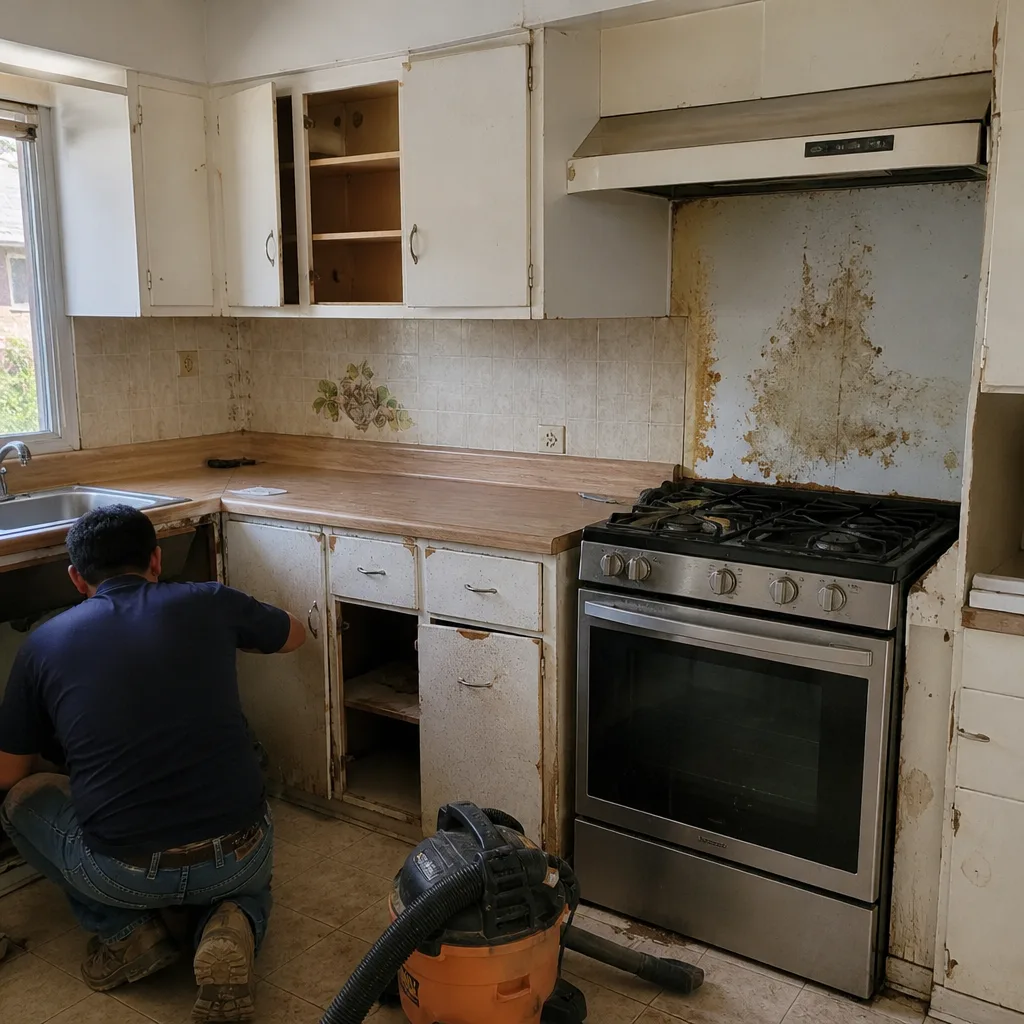 Before
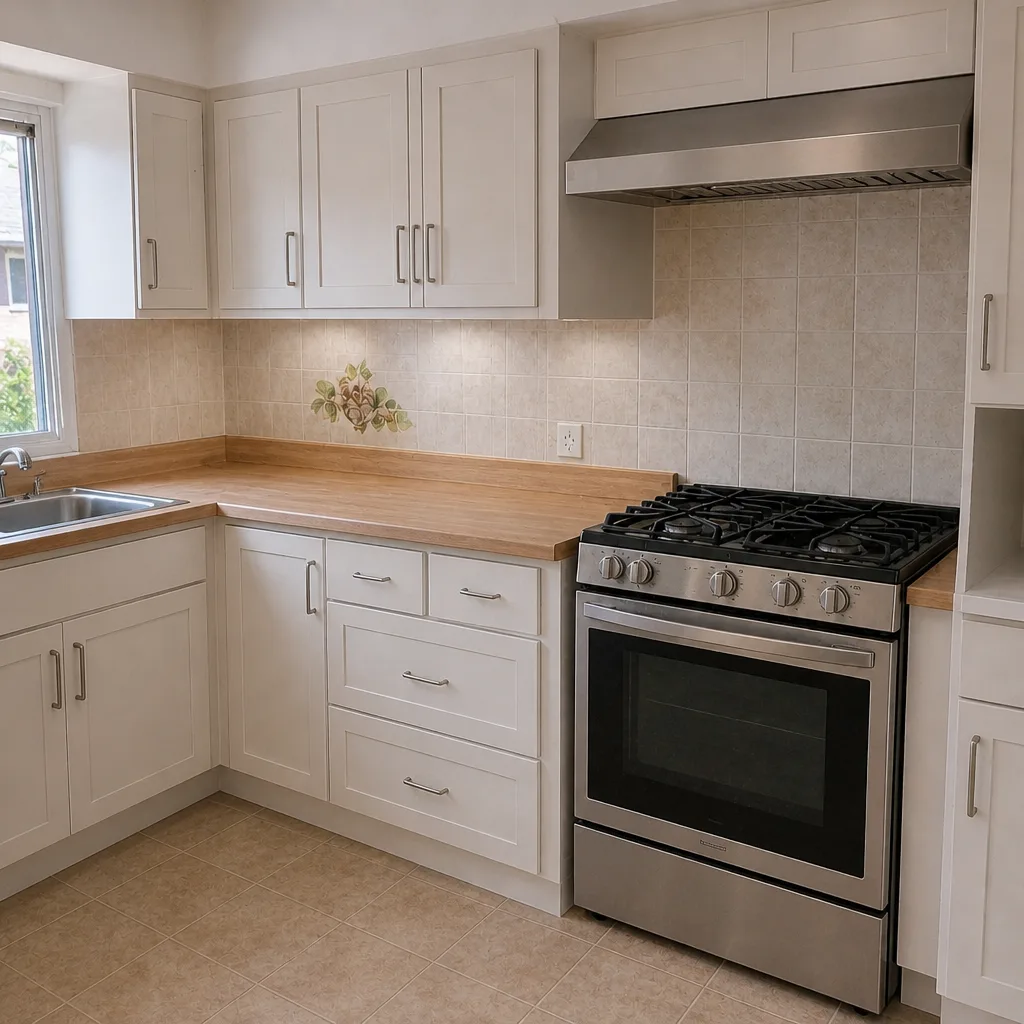 After
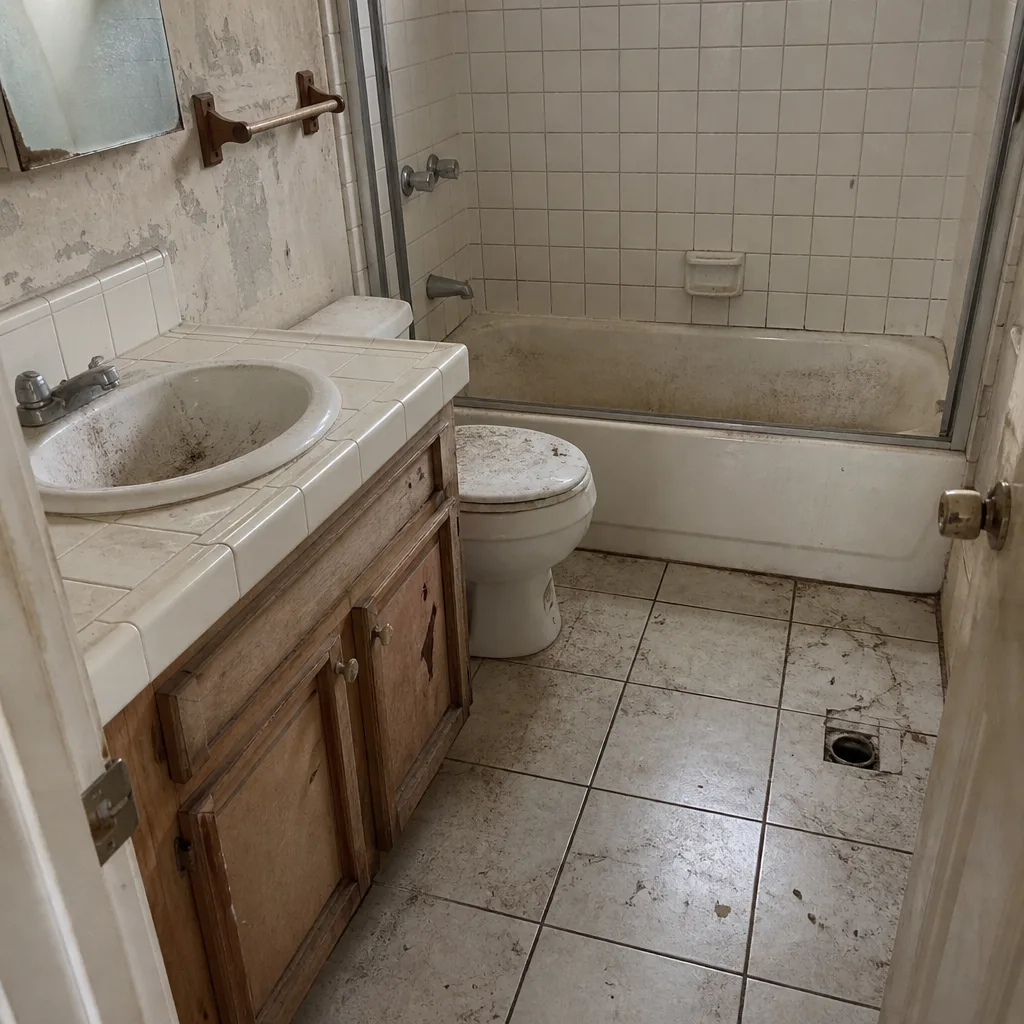 Before
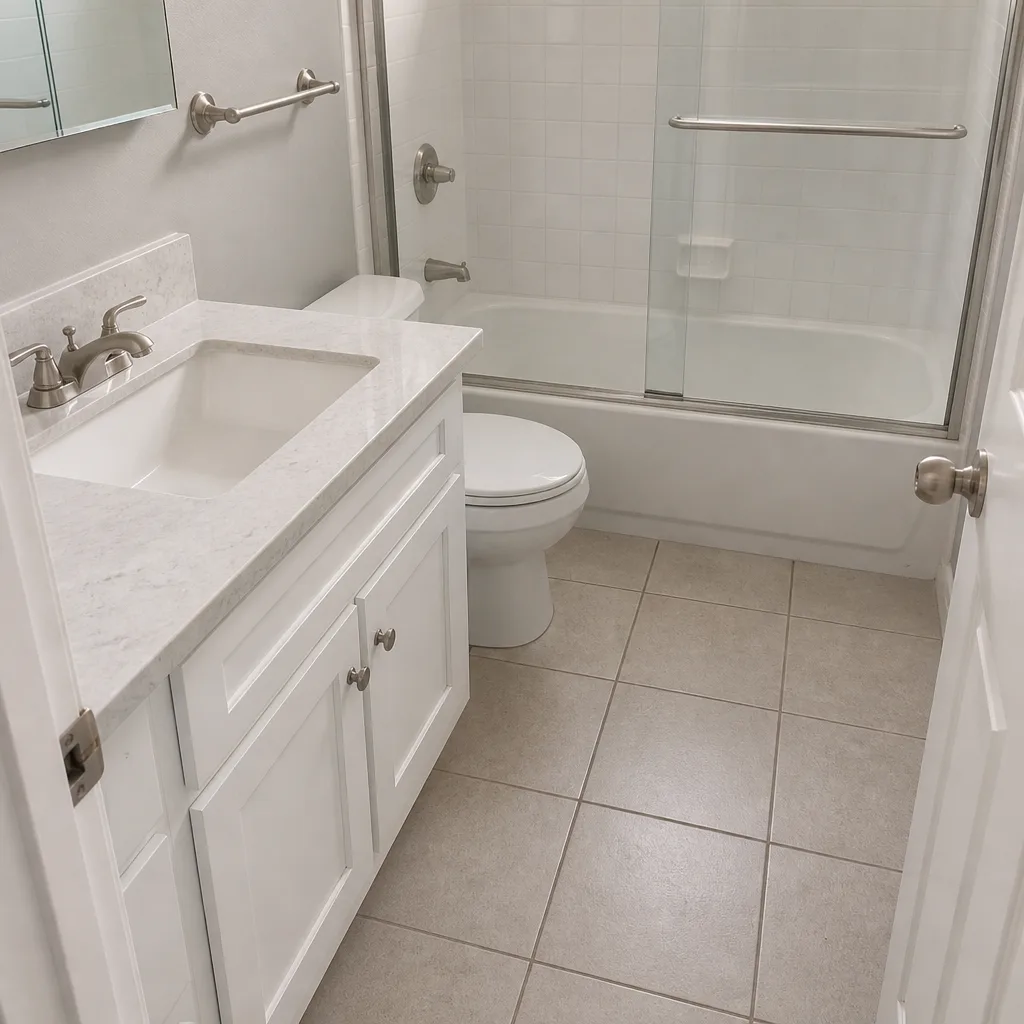 After
When to Call a Professional
Call a professional when the window or door is part of a wall change: an enlarged opening, a new window in a solid wall, or a slider converted to a hinged door. Call when your Fullerton home has non-standard rough openings and you haven’t confirmed the size with the trim off. Call when a west-facing room gets too hot in July even with the blinds closed and you need the glass and frame spec’d for the elevation. And call when you need a permit, because the paperwork, inspection, and Title 24 documentation are where a DIY project becomes a resale problem. Our technicians have up to 19 years of experience, and Rowan Construction Group Fullerton offers free estimates in Fullerton. Call (844) 320-7095.
Frequently Asked Questions
For a like-for-like replacement on a standard-size opening, most Fullerton projects fall between $650 and $1,400 per window installed, depending on frame material, glass package, and interior trim scope. Custom-sized units in a 1950s or 1970s home add 20 to 40 percent, and framing modification adds carpentry and drywall work on top. Call (844) 320-7095 for an exact quote. Estimates are free, and Rowan delivers a written price before any work starts.
Often not for a like-for-like swap on the same size opening with no framing change. You do need one when you enlarge an opening, cut a new one, change egress, or modify framing to fit a different size. The City of Fullerton Building Division makes the call on scope, and Title 24 compliance applies either way. Call (844) 320-7095 if you’re unsure whether your project crosses the line. A written scope answers the question.
Climate Zone 10, which covers Fullerton, calls for a maximum U-factor of 0.32 and a maximum SHGC of 0.25 on most replacement windows. Both numbers are on the NFRC label for the specific unit, not the product family. Ask for the label before you sign. Call (844) 320-7095 and we’ll check the spec on any product you’re considering.
Milgard Tuscany and Trinsic with SunCoatMAX glass meet the Zone 10 limits in standard configurations, and Andersen 100 and 400 Series with High-Performance Low-E4 glass and Pella 250 and 450 Series with advanced low-e options clear the bar too. The glass package decides it, not the brand. Call (844) 320-7095 for help matching a product to your elevation.
Fiberglass handles the direct-sun expansion swing better than vinyl because its movement is roughly a third as much, which matters on a west-facing wall in Fullerton’s inland heat. Quality multi-chamber vinyl works fine and costs less, typically 20 to 35 percent under fiberglass. The install detail with flashing and shimming matters more than the material for long-term performance. Call (844) 320-7095 to talk through the elevation.
Not if the scope is written. Rowan’s discipline is that no work proceeds on a change until the change order is signed, which is the reason our projects finish within a few percent of the number the customer agreed to. A bid that leaves trims, flashing, stucco repair, or drywall off the line items is where price changes come from. Call (844) 320-7095 and we’ll review any written estimate line by line at no charge.
The Bottom Line
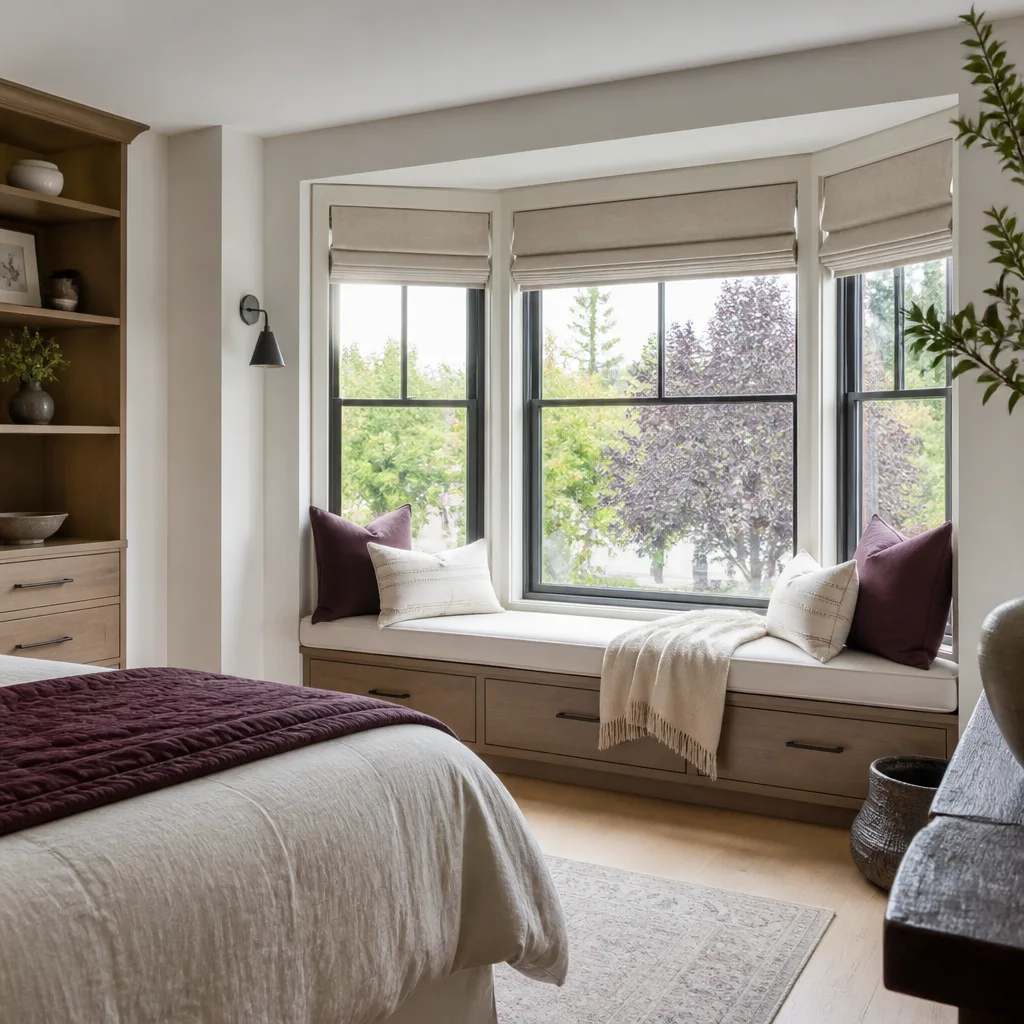
The Fullerton window and door decision comes down to four things: the NFRC label, the rough opening measurement, the permit question, and the line items in the bid. Title 24 in Climate Zone 10 sets the glass package, the 1950s to 1970s housing stock sets the sizing cost, and the bid structure tells you what you’ll actually pay. Frame material matters, but install detail matters more. A written price and a written scope turn a quote into something you can compare. For related exterior work on a Fullerton property, the Driveway & Pavers in Newport Beach page covers the hardscape side.
Rowan Construction Group Fullerton brings a documented record to every project: a written price before any work starts, a photo record on every visit, background-checked and uniformed technicians, and the 365-Day Done Right Promise. If it’s not done right, we make it right. Call (844) 320-7095 to schedule your free estimate, and bring any competing written bid for a free second opinion reviewed line by line.
Written by the team at Rowan Construction Group Fullerton.