Last updated November 18, 2026



Free written scope consultation - allowances, timeline, and change-order rules on paper before a single trade is scheduled
Windows & Doors Troubleshooting: Common Problems and How to Fix Them
A door that suddenly won’t latch after years of working fine isn’t a hardware problem 40% of the time. It’s a house that has moved, and the strike plate is the symptom, not the cause. That single distinction separates a twenty-minute adjustment from a repair that runs into the thousands, and most homeowners guess wrong. We’ve walked through enough Fullerton homes to know which problems belong in your hands and which need a trained eye on the framing. This guide gives you the diagnostic criteria to tell them apart with a tape measure and five minutes, not a hunch.
Quick Answer
Separate the problem into one of two categories before you touch anything. If the window or door won’t operate, stick, or latch, it’s usually a mechanical adjustment you can handle yourself with the right tools. If the symptom is weatherproofing, meaning drafts, condensation, or water on the sill, it’s often early water intrusion that needs professional assessment because the visible symptom sits far from the actual failure point. Getting this first call right saves money either way.
Styles & brands we work with
- Kitchen remodeling
- Bathroom remodeling
- Home additions & ADU
- Roofing
- Windows & doors
- Driveway & pavers
- Fence
Table of Contents
- The Diagnostic Decision Tree: Operation vs. Weatherproofing
- Reading Condensation: Three Locations, Three Meanings
- Door Alignment: Hinge, Strike Plate, or Structural Movement
- Window Operation Failures by Frame Type
- When Not to DIY: The Four Warning Signs
- How Fullerton’s Climate Shapes These Problems
- Common Mistakes to Avoid
- When to Call a Professional
- Frequently Asked Questions
The Diagnostic Decision Tree: Operation vs. Weatherproofing
Before you pick up a screwdriver, classify the complaint. Every window and door problem we see in Fullerton falls into one of two buckets, and the buckets have almost nothing in common.
Operation problems are about movement. The window won’t slide, the door drags on the threshold, the latch misses the plate, the sash rattles in wind. These are mechanical. They live in the hardware, the track, the balance, or the hinge, and about 60% of them resolve with cleaning, lubrication, and adjustment. They’re annoying but rarely urgent.
Weatherproofing problems are about the envelope. Air leaks around the frame, condensation appears in a place it shouldn’t, water beads on the interior sill after rain. These are the ones that matter. A draft you can feel usually means a gap, and a gap usually means water can follow it in. In Fullerton, where we see a dry season followed by concentrated winter rain, a small flashing failure can soak drywall for months before it shows.
Here’s the test we use. Stand inside on a windy day and hold the back of your hand near the frame perimeter. If you feel moving air at one corner, that’s a weatherproofing signal. Then close the door or window and check the gap at all four corners with a flashlight on the outside at night. Daylight means an operational alignment issue at worst; darkness with a draft means the seal has failed and you’re looking at weatherstripping, a failed gasket, or a flashing problem behind the frame.
- Operation path: sticking, dragging, rattling, latch misses, hard crank. Start with hardware and tracks.
- Weatherproofing path: drafts, condensation, water stains, soft wood. Start with a professional inspection.
- Both at once: treat it as weatherproofing. Movement that affects the seal is a framing conversation.
Fullerton’s mix of 1950s tract homes and 1990s infill means we see both original aluminum sliders with worn tracks and newer vinyl units with seal failures in the same neighborhood. The diagnosis method works on both, but the repair parts differ entirely. For homes where the frame itself needs replacing, our Rowan Construction Group Fullerton home covers the trades involved.
Reading Condensation: Three Locations, Three Meanings
Where the moisture appears tells you what’s failing. Homeowners often lump all fogging into one problem, but the three locations mean three different things, and only one is a quick fix.
Condensation on the interior glass surface. This is a humidity problem inside your home, not a window failure. Warm moist air meets cold glass and beads. You control it by running bath and kitchen fans longer, checking that your dryer vents outside, and considering a dehumidifier in winter. It’s not a defect. It’s your indoor air telling you something.
Condensation between the panes. In double- or triple-glazed units, fog between the glass means the hermetic seal has failed. The inert gas or dry air has escaped and moisture has entered. The only real fix is replacing the insulated glass unit, sometimes the whole sash. This is a window failure, not a humidity issue, and cleaning won’t help. If your windows are still under a manufacturer warranty, PGT and similar brands often cover seal failure for a set period, so check the paperwork before you spend anything.
Condensation on the interior frame surface. This is the one to watch. Moisture on the frame, especially near the corners or along the sill, can signal a thermal bridge, meaning the frame is cold enough to draw water, which often means air is getting in from behind. Combined with staining, it points to a flashing or installation failure. That’s a professional call, not a dehumidifier call.
- Glass surface: indoor humidity. Homeowner-controlled. No repair needed.
- Between panes: failed seal. Requires glazing or sash replacement.
- Frame surface: possible water intrusion. Requires inspection.
We’ve seen Fullerton homes on north-facing walls fog between the panes within a couple of years of a low-end replacement, because that side never gets sun to dry the seal. It’s worth asking what glass brand is going in before a job starts. Atlas and similar manufacturers publish their seal warranty terms, and it’s the kind of thing a written quote should specify.
Door Alignment: Hinge, Strike Plate, or Structural Movement
This is where the 40% figure earns its keep. A door that stops latching is usually treated as a hardware problem, and adjusting the strike plate is the wrong first move more often than not. Here’s how to tell the three cases apart before you touch a screw.
- Measure the gap at all four corners. Close the door and look at the vertical gaps on both sides, then the horizontal gaps at top and bottom. An even gap all around with a latch that misses means the strike plate has shifted or the latch itself is worn. That’s a hardware fix.
- Check the door swing behavior. Open the door to 45 degrees and let go. If it swings open or closed on its own, the hinges are out of plumb, meaning the top hinge has pulled or the frame is out of square. That’s a hinge adjustment or a frame problem.
- Look for a diagonal gap signature. If the gap is wide at the top corner on the latch side and narrow at the bottom, or vice versa, the frame has racked. That’s structural movement, and adjusting hardware will make it worse by masking the real issue.
- Inspect for fresh drywall cracks. Hairline cracks radiating from the door corner into the wall are a corroborating signal. A door out of square plus fresh cracking next to the frame often points to foundation or framing settlement.
Hinge fixes are the easy case. Tighten the top hinge screws, or replace them with longer screws that bite into the stud rather than just the jamb. Strike plate fixes are equally simple: move the plate a sixteenth of an inch, or file the opening slightly, and the latch catches. Structural movement is where the homeowner should stop. When the frame has racked, the correct repair addresses the cause, and in older Fullerton homes with pier-and-beam foundations, that’s a conversation that needs eyes on the crawlspace.
Window Operation Failures by Frame Type
The frame material dictates the failure mode, and the failure mode dictates the fix. Applying the wrong treatment makes things worse, which is why we separate these three.
Vinyl Windows
Vinyl sliders and single-hungs almost always fail at the track. Grit, pollen, and pet hair build up in the channel and the sash starts to drag. The fix is cleaning the track with a stiff brush and vacuum, then lubricating with a dry silicone spray. Do not use WD-40 on vinyl tracks. It’s a solvent-based product that attracts dust and debris, and within a month the track is dirtier than before you started. Dry silicone leaves a film that repels grit and doesn’t gum up. We’ve watched homeowners chase a sticking slider for a year with the wrong lubricant when twenty minutes and a can of silicone solved it.
Aluminum Windows
Original aluminum windows, common in mid-century Fullerton homes, fail at the balance spring. The spring that counterweights the sash loses tension, and the window won’t stay up or won’t lift. You can usually replace a balance spring yourself if you can match the part, but the springs vary by manufacturer and many are discontinued. If the sash itself has corroded at the weep holes, meaning the small drainage channels at the bottom, the window is at end of life and patching the spring is throwing money at a frame that will leak next winter.
Wood Windows
Wood sashes swell in damp weather and stick. The cause is usually moisture absorption at the bottom rail where water sits. Light sanding of the swollen edge and a coat of exterior-grade paint on the affected surfaces buys time. But if the wood is soft when you press a screwdriver into it, the swelling is rot, and rot means the frame is compromised. That’s not a sanding fix.
- Vinyl: clean the track, apply dry silicone. If the frame is cracked at a corner, the unit needs replacement.
- Aluminum: check the balance spring and weep holes. Corrosion at the sill is a replacement signal.
- Wood: sand and seal light swelling. Soft wood means rot, which means replacement.
When Not to DIY: The Four Warning Signs
There are four conditions where a homeowner’s repair actively accelerates the damage. Each one has a specific mechanism, and each one is the point where we tell people to stop.
1. Staining on drywall adjacent to the frame. A water stain on the wall next to a window or door frame means water has already traveled past the flashing and into the wall cavity. Painting over it hides the evidence but doesn’t stop the leak. The stain will return and the framing behind it keeps soaking. In Fullerton’s dry climate, wall cavities can hold moisture for weeks without obvious mold, so by the time a stain shows, the repair window has already narrowed.
2. Soft wood at the sill. Press a screwdriver into the sill plate. If it sinks with light pressure, the wood is rotting. Patching with wood filler over rot is cosmetic. The rot continues underneath, and the structural member bearing the frame’s weight is what’s failing. This is also where termites enter, and Fullerton has active subterranean termite pressure, so soft sill wood needs a real inspection.
3. Daylight visible at frame corners. If you can see daylight at a frame corner from inside, the gap runs all the way through. Sealing it from one side with caulk does nothing because the gap is a pathway, not a surface crack. Water will find the unsealed side. This is usually an installation failure or a flashing failure, and the repair is on the exterior, not the interior caulk line.
4. A door that racked after a rain event. If a door started binding immediately after heavy rain, the framing has moved due to water or soil movement. Adjusting hardware treats the symptom. The cause needs assessment before anything is fastened in place.
Patching a symptom doesn’t just fail to fix the problem. It removes the evidence the next person needs to diagnose it, which makes the eventual repair bigger and more expensive.
How Fullerton’s Climate Shapes These Problems
Fullerton sits in a Mediterranean climate, dry summers and concentrated winter rain, and that pattern creates a specific failure rhythm. Windows and doors spend eight months drying out and shrinking, then take on water in a handful of storms. The gaps that open in August don’t leak, and the swelling that happens in January does. That’s why so many of these problems get reported between December and March, when the seals are stressed and the rain is testing them.
We regularly see failures on the north and east elevations of homes in the older neighborhoods around downtown Fullerton, where walls stay shaded and dry slowly. South-facing frames get sun exposure that degrades vinyl faster than the manufacturer’s timeline suggests. If you’re considering replacement rather than repair, our Windows & Doors service page covers what a full replacement involves and how the quote is built.
The other local factor is foundation movement. Fullerton has a mix of older pier-and-beam and slab-on-grade homes, and both respond to soil moisture swings. In dry years, clay soil shrinks and framing racks, which is when doors start missing strikes. It’s why we always ask whether a door problem showed up in late summer versus mid-winter. The season tells you whether the cause is soil movement or water.
Common Mistakes to Avoid
- Adjusting the strike plate first. If the frame has racked, moving the strike plate masks the problem and lets the door edge chew into the jamb. Measure the corner gaps before you touch hardware.
- Using WD-40 on vinyl tracks. It attracts debris and makes the sticking worse within weeks. Use dry silicone and clean the track first.
- Caulking over daylight gaps at frame corners. Caulk on one side of a through-gap does nothing. The gap is a water pathway, and sealing the interior only traps moisture in the wall.
- Patching soft sill wood with filler. Rot continues under the patch, and in Fullerton the soft wood is often a termite entry point you’ll want inspected.
- Ignoring between-pane condensation on a warranty window. Seal failures on PGT and similar brands are often covered, but the claim window closes. Check the paperwork before you pay for a sash out of pocket.
- Replacing windows to fix a draft that’s really a flashing problem. New windows installed over failed flashing leak just as fast. Fix the envelope before the unit.
- Assuming a stuck door in a 1950s Fullerton home is a hinge problem. In older homes, the frame may have been out of square for years and the hinge screws finally pulled. Check for diagonal gap signatures before torquing anything.
When to Call a Professional
Call a professional when any of the four warning signs from the section above are present: drywall staining next to a frame, soft wood at the sill, daylight at a frame corner, or a door that racked after rain. Those are weatherproofing and structural signals, and they get worse on a timeline. We also see it when the repair requires cutting into the wall to inspect flashing, when a window unit needs full replacement because the frame is compromised, and when a door out of square in an older Fullerton home points to foundation movement worth a crawlspace look.
The other case is a repair you’ve already tried once and it came back. A sticking window that returns after lubrication, a draft that returns after weatherstripping, a latch that misses again after adjustment. Recurrence means the cause wasn’t addressed, and the second attempt should be a diagnosis, not another adjustment.
Rowan Construction Group Fullerton offers free estimates in Fullerton. We deliver a written price before any work starts, and under Clause 1 of the Haven Standard, that number is the number. Call (844) 320-7095 to schedule a free estimate and get a clear read on whether your problem is a twenty-minute fix or something that needs real work.
Frequently Asked Questions
Most operation fixes run $75 to $250 when it’s a track cleaning, lubrication, hinge adjustment, or balance spring replacement. The cost climbs into the thousands only when the diagnosis reveals frame or flashing damage, which is why the check matters more than the repair. Call (844) 320-7095 for an exact quote – estimates are free.
No, if the fog is between the panes. Fog between the glass means the hermetic seal has already failed and moisture has entered the gas space. It won’t dry out and won’t clear, and the only fix is replacing the insulated glass unit or the sash. Fog on the interior glass surface is a different problem and does go away when you reduce indoor humidity.
Because the frame is moving with soil moisture, not because the hardware changed. In Fullerton, doors that miss the strike in late summer are usually reacting to clay soil shrinking and racking the frame slightly. If the door latches fine in winter and fails in summer, the latch isn’t the issue and adjusting it makes things worse.
Condensation on the frame surface itself is worth a professional look, because it often signals a thermal bridge or air infiltration behind the frame rather than an indoor humidity problem. Wiping it and running a fan treats the symptom. If there’s staining or soft wood nearby, call for an inspection before the next rain. Call (844) 320-7095 to schedule a free estimate.
Window and door replacement usually requires a permit when the size of the opening changes or the structural framing is altered; like-for-like replacement in the same opening often doesn’t. The rule depends on the scope and the current code, so the right move is to ask before the work starts. A written quote should state clearly who pulls the permit and who covers inspection.
A single window or door replacement typically takes a few hours; a whole-house window job runs one to three days depending on count and trim work. If the frame or flashing needs repair, add time for that scope. Call (844) 320-7095 for a written scope and timeline before you commit.
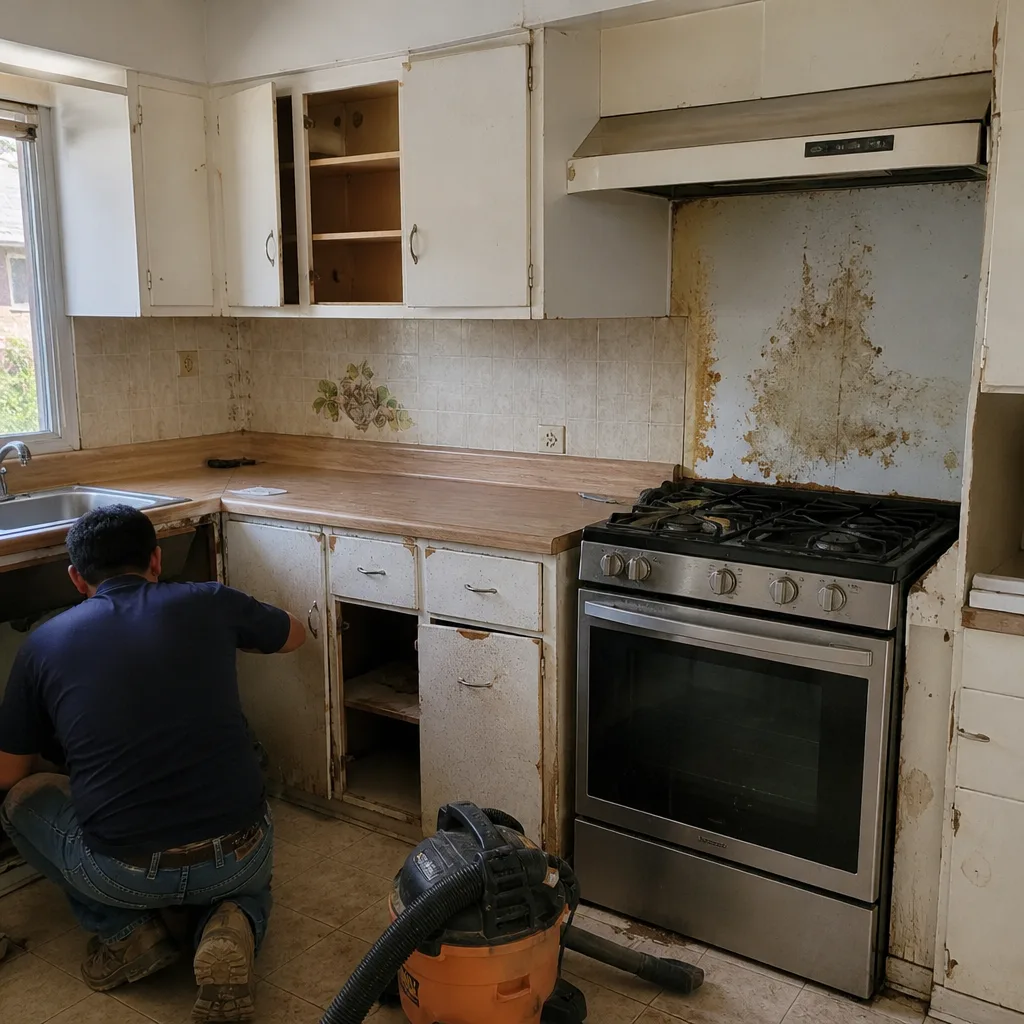
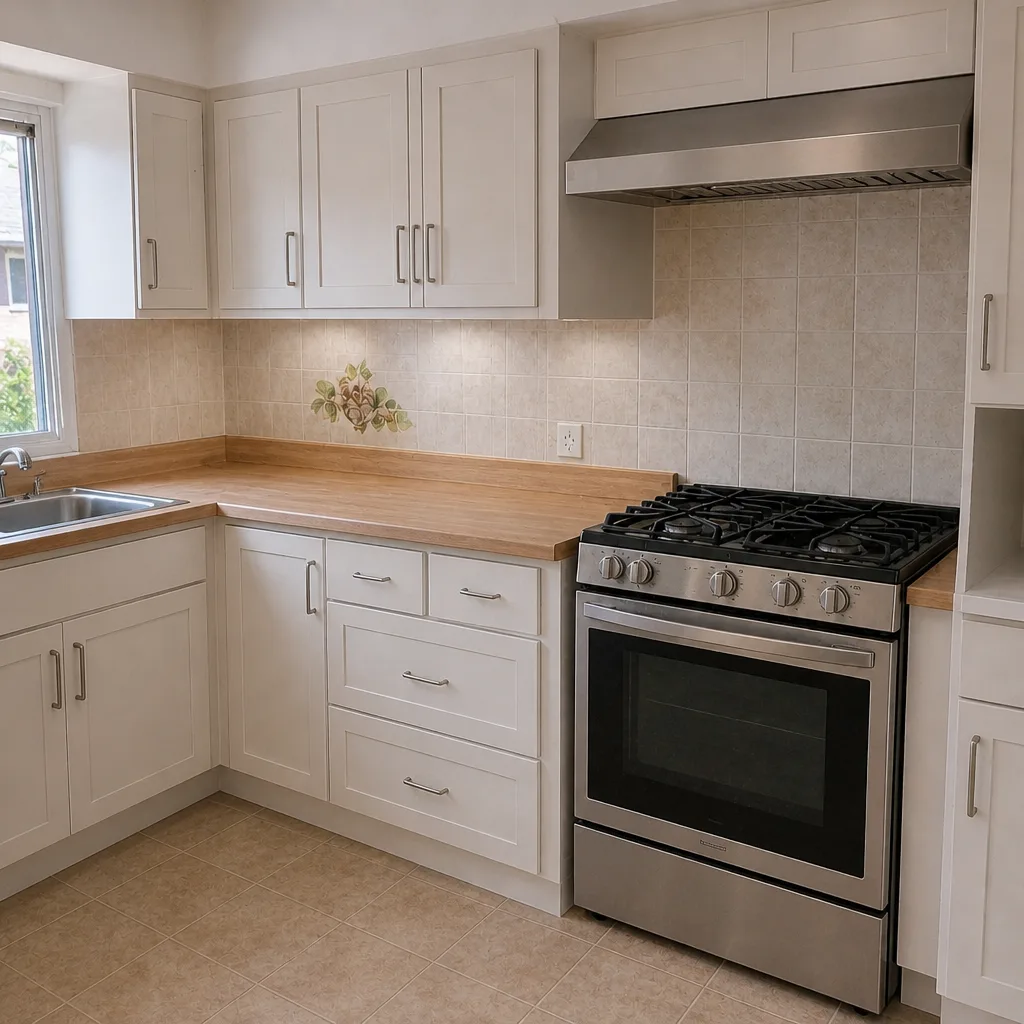
See the difference
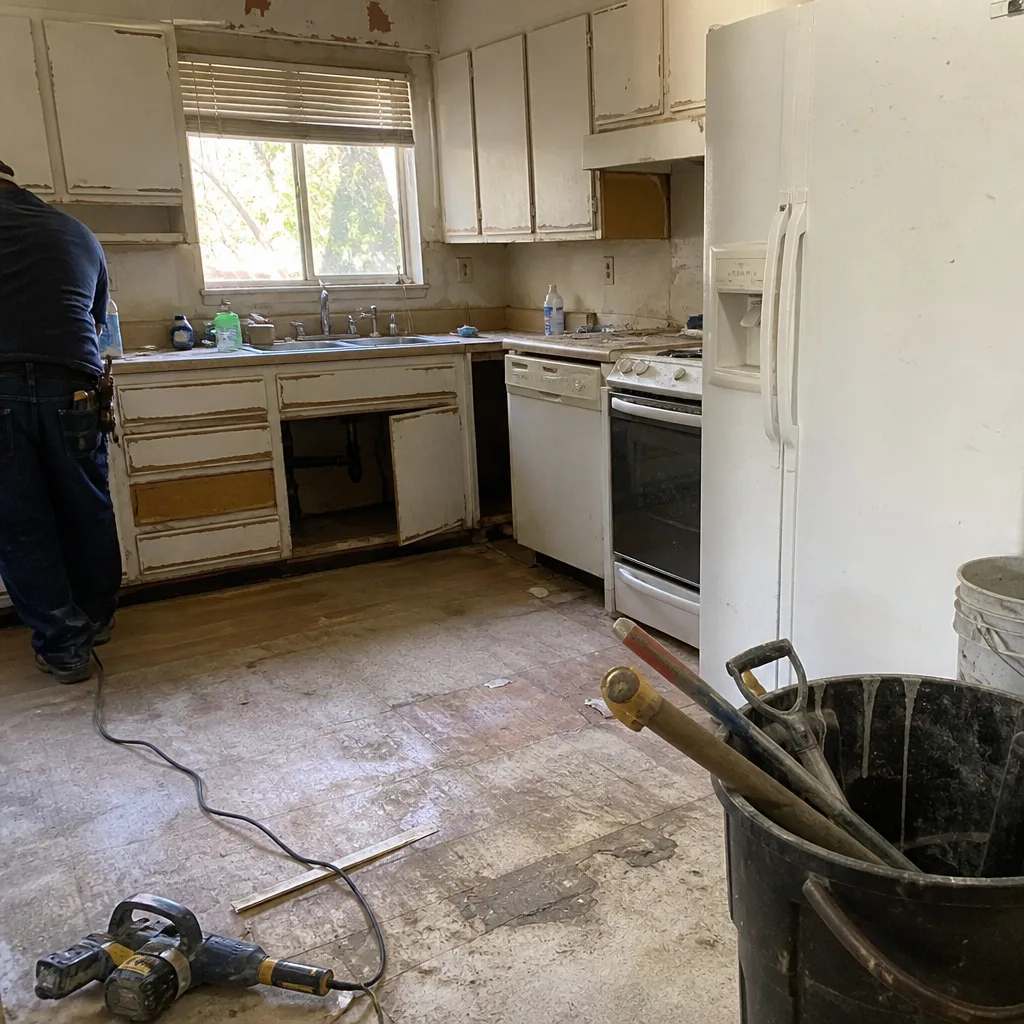 Before
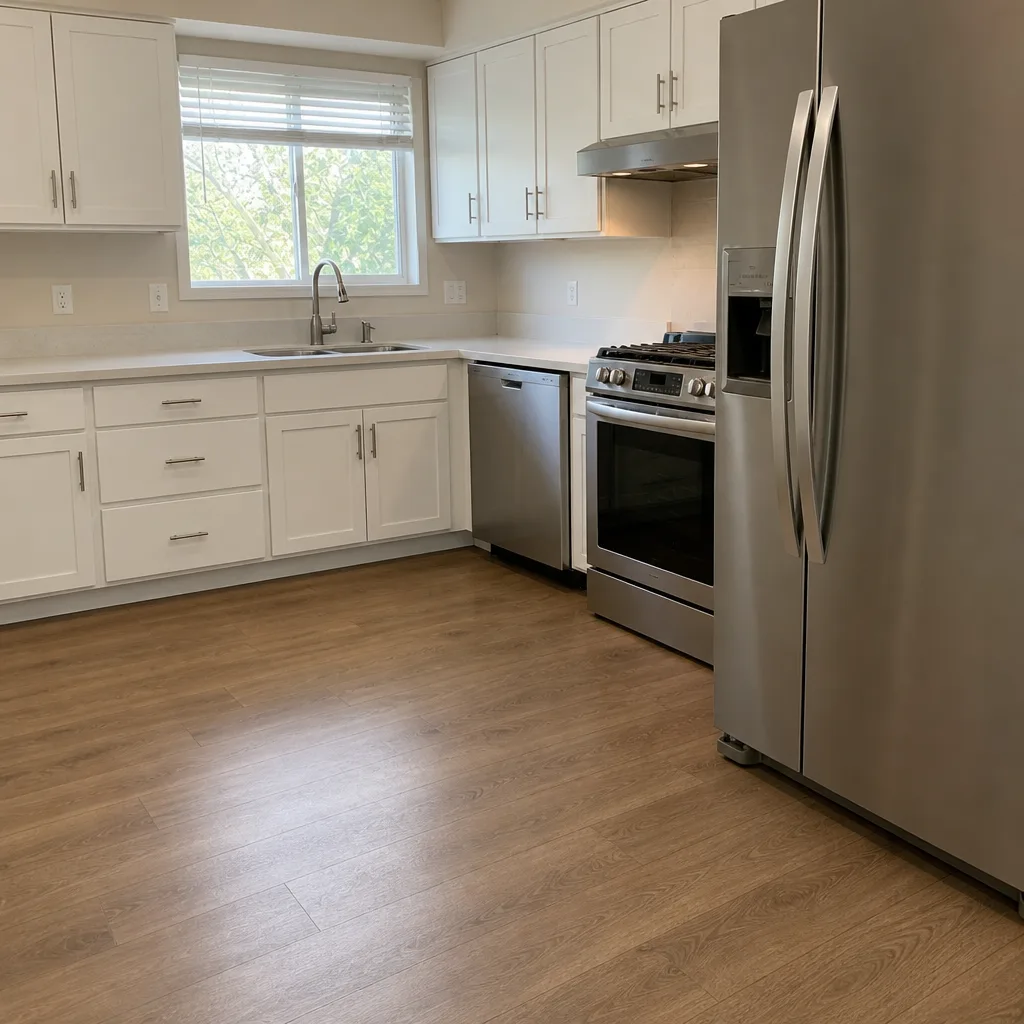 After
 Before
 After
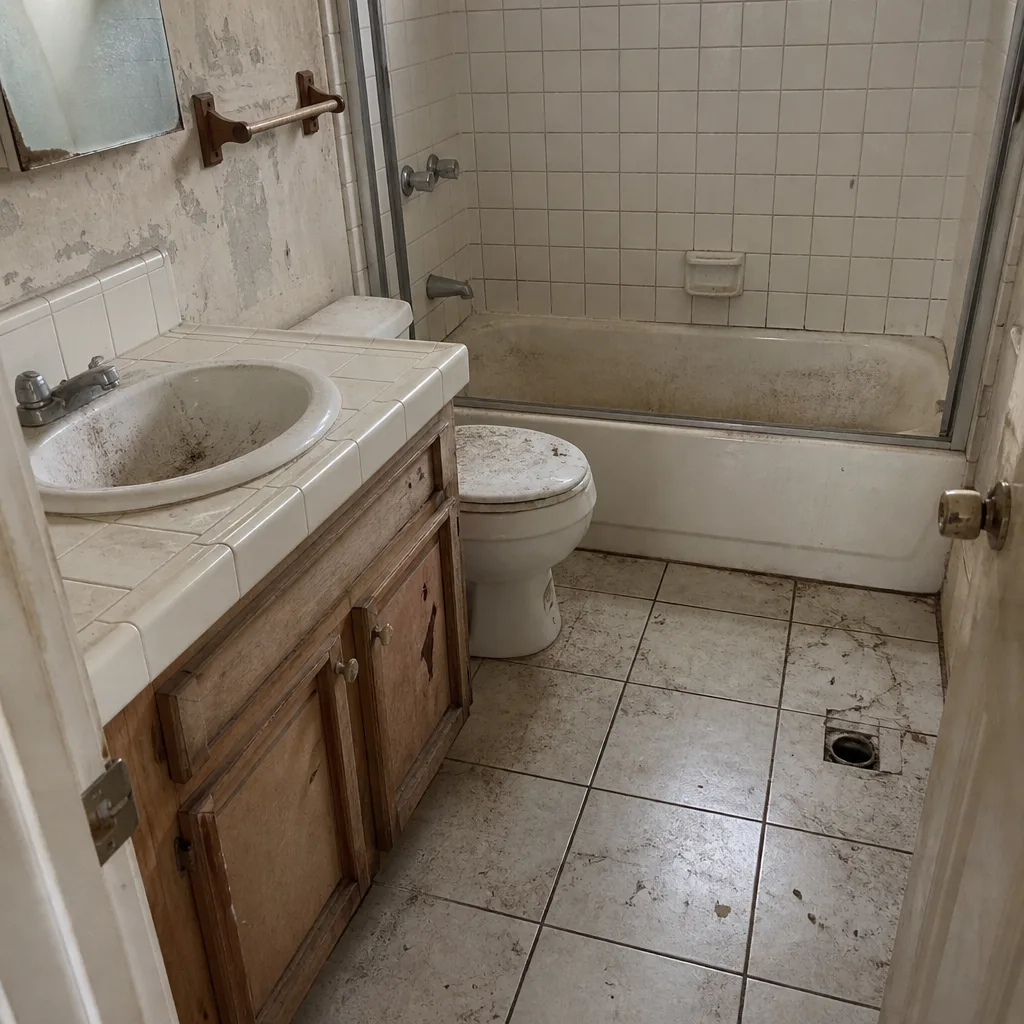 Before
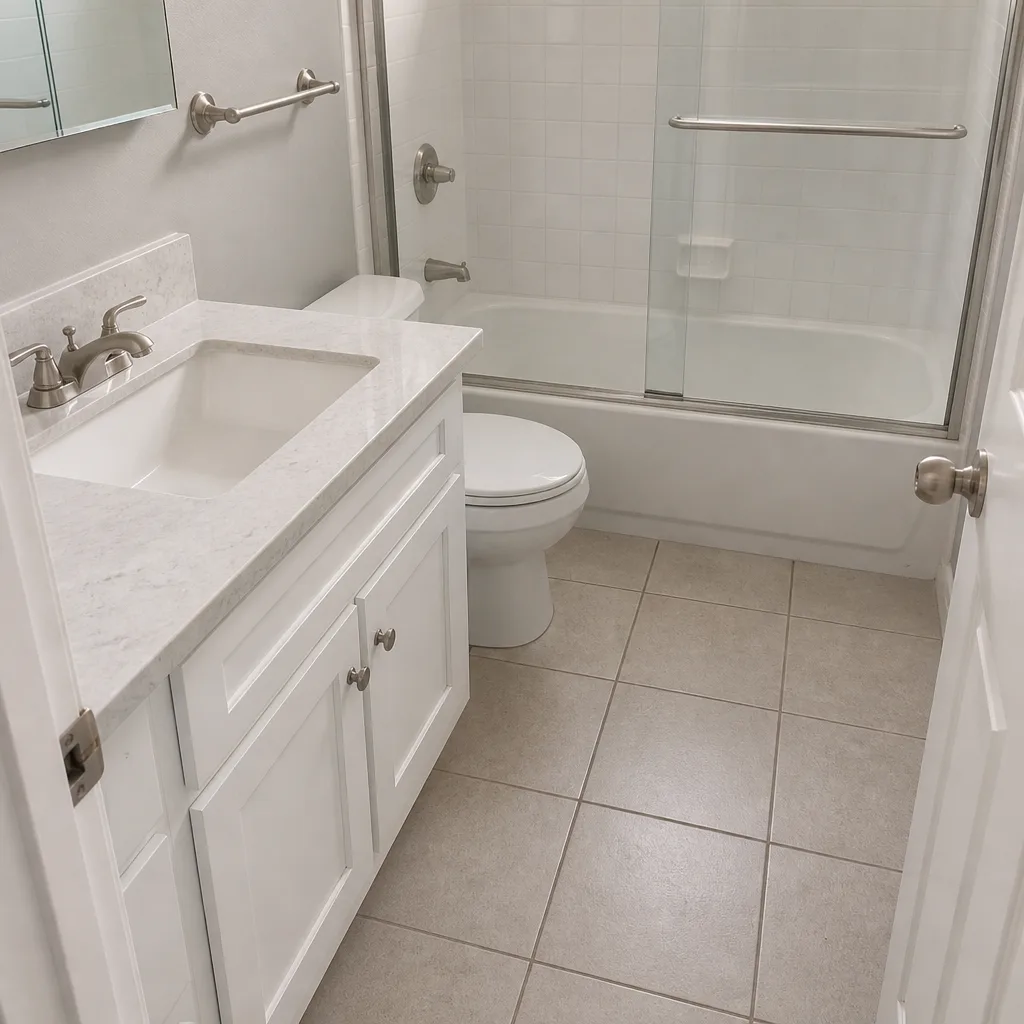 After
The Bottom Line
Most window and door problems sort cleanly into two categories once you stop guessing. Operation issues (sticking, rattling, not latching) usually resolve with cleaning, dry silicone lubrication, and a hinge or strike plate adjustment. Weatherproofing issues (drafts, condensation in the wrong place, water on the sill) are usually early water intrusion and warrant professional assessment, because patching the symptom lets the damage spread. The diagnostic criteria are a tape measure, a flashlight, and a screwdriver. Use all three before you use any. And when the problem recurs after one repair, treat it as weatherproofing. For most Fullerton homeowners, that single rule saves the most money. Our Driveway & Pavers in Newport Beach and Fence Installation in Newport Beach pages show the same diagnostic-first approach applied to exterior work, and if your project grows into an addition, we cover Home Additions & ADU in Newport Beach as well.
Get a Free Estimate
If your window or door problem turns out to be more than a twenty-minute fix, we’ll tell you in plain terms what we found and what it takes to correct it. Every Rowan estimate is a flat written price with a written scope before any work begins, no change proceeds without a signed change order, and the 365-Day Done Right Promise stands behind the work. For a second opinion on a competitor’s written estimate, bring it in and we’ll review it line by line at no charge. Call (844) 320-7095 to schedule your free estimate. Our technicians have up to 19 years of experience, and every visit includes a documented photo record as a standard deliverable.
Written by the team at Rowan Construction Group Fullerton.