Last updated November 18, 2026


Free written scope consultation - allowances, timeline, and change-order rules on paper before a single trade is scheduled
Driveway & Pavers Maintenance Checklist for Fullerton Homeowners
A repointed paver driveway that looks perfect in March can show fresh cracks by November in Fullerton. Not because the work was bad, but because nobody addressed the clay subgrade that swells and shrinks up to half an inch between the wet and dry seasons. In the 92832 and 92835 zip codes, expansive clay moves under almost every driveway in the city. The cracks you see on top usually started below. This guide covers the annual checklist we use to catch that movement early: how to tell clay heave from root damage from a failing base, which joint sand and sealer actually hold up between Fullerton’s 45°F winters and 100°F summers, and what documents protect your driveway warranty and your resale disclosure. If you’d rather see the whole picture for the trade we work in, our Driveway & Pavers in Newport Beach page lays out how the work is scoped from the ground up.
Quick Answer
Maintain a paver driveway in Fullerton by inspecting it twice a year (March and October), topping off joint sand before winter rains, measuring edge restraint and lippage with a straightedge, and resealing every three to five years with a product matched to the paver material. The single most important check is whether cracks and lippage follow a seasonal pattern, because that signals expansive clay movement in the subgrade rather than surface wear.
Styles & brands we work with
- Kitchen remodeling
- Bathroom remodeling
- Home additions & ADU
- Roofing
- Windows & doors
- Driveway & pavers
- Fence
Table of Contents
- Why Fullerton Driveways Fail Faster Than Neighboring Cities
- Three Causes That Look Identical: Clay Heave, Tree Roots, Base Failure
- The Annual Inspection Checklist: Pass/Fail Criteria
- Joint Sand: Polymeric vs. Standard for Fullerton’s Temperature Swing
- Which Sealer Fits Concrete Pavers, Clay Brick, and Natural Stone
- The Seasonal Maintenance Calendar
- What Documents to Keep for Warranty and Resale
- Common Mistakes to Avoid
Why Fullerton Driveways Fail Faster Than Neighboring Cities
Fullerton sits on a band of expansive clay soil that runs through much of the city’s older residential blocks, particularly the flat lots west of Harbor Boulevard and the neighborhoods climbing toward the hills in 92835. Expansive clay has a high shrink-swell capacity: it absorbs water in the wet months, expands, then contracts hard when the dry season hits. Your driveway sits on top of all of it.
What that means in practice is that the failure mode here is usually vertical, not horizontal. Mortar joints crack from underneath. Pavers tent or heave in one corner. A section that drained fine in spring pools water by September. A neighbor in a sandier-soil city like parts of Yorba Linda can go a decade on the same install. In Fullerton, the same materials can show joint failure in three to four years if the base wasn’t built to accommodate movement.
That’s the reason a maintenance checklist built for a generic climate will miss the actual mechanism. The paver surface is fine. It’s the soil under it that’s doing the damage.
We’ve watched this play out across hundreds of Fullerton driveways. The homeowners who get the longest life out of their pavers aren’t the ones who reseal most often. They’re the ones who inspect twice a year, catch movement early, and fix the subgrade instead of repointing the surface. That’s the discipline behind our Rowan Construction Group Fullerton home approach, and it applies to every trade we work in.
Three Causes That Look Identical: Clay Heave, Tree Roots, Base Failure
Almost every “my driveway cracked” call we get falls into one of three buckets. On the surface, they all look like cracked joints and a slightly uneven surface. The repair is completely different for each, which is why diagnosing the cause before you spend a dollar is the whole game.
1. Expansive Clay Heave
Clay heave shows up as seasonal movement. Cracks that appear or widen in September and October, after the soil has dried and contracted, and partially close again after winter rains. Pavers lift in a localized area rather than across the whole driveway. Loose, sandy joint sand that keeps washing out in the same spot is another sign. If you’re seeing a repeat pattern in the same location year after year, that’s clay movement, and repointing will fail for the third time.
2. Tree-Root Damage
Root damage is directional. It shows up along a line pointing toward a mature tree, often near the edge restraint where roots push under the driveway edge. Paver lippage tends to be concentrated rather than scattered. Sycamores, ficus, and mature eucalyptus near a Fullerton driveway are all common culprits. A root barrier installed along the driveway edge during a repair usually stops the problem at the source.
3. Base Compaction Failure
Base failure is the most expensive of the three. It shows up as widespread lippage (pavers sitting visibly off-level with neighbors), rocking pavers when you walk on them, or a hollow sound when you tap the surface with a screwdriver handle. Water pooling at one end of the driveway after rain is another indicator. This one is a rebuild: the base layer needs to come out, be re-graded and re-compacted in lifts, and the pavers reset. Talk to whoever installed the driveway if the work is under warranty, and if you don’t have documentation of the base build, that’s a huge argument for keeping the records we cover further down.
The Annual Inspection Checklist: Pass/Fail Criteria
Walk your driveway every March and October with a screwdriver, a 4-foot straightedge, and a phone camera. It takes twenty minutes. Use this checklist and write down the numbers, not just “looks OK.”
- Joint depth. Joint sand should sit within 1/8 inch of the paver chamfer. If you can stick a screwdriver blade more than 1/4 inch down into any joint, that joint has failed and needs to be refilled. More than 15% of joints failing = full re-sand of the driveway.
- Edge restraint condition. Follow the perimeter. The plastic or aluminum edging should be flush to the paver face with no gap wider than 1/8 inch. Lift a corner with the screwdriver: if it moves, spikes have backed out and any paver against it is at risk of spreading outward.
- Surface pitch toward drain. Lay a 4-foot straightedge on the driveway with a level. Drop a quarter inch over the length should read positive toward the drain or street. If water pools anywhere for more than 24 hours after a rain, pitch has failed and water is now getting under the pavers, which accelerates everything else.
- Lippage measurement. Set the straightedge across joints and measure the gap under the low paver with a ruler or a stacked quarter. Up to 1/8 inch (roughly 3 mm) is cosmetic. Between 3 mm and 10 mm is monitor-and-see. More than 10 mm in a cluster of three or more pavers is base failure until proven otherwise.
- Efflorescence and staining. White salt deposits after rain are normal on new pavers but should not persist past two seasons. If stains keep coming back, joint sand moisture is the issue and re-sanding is likely due.
- Photograph everything. Number the photos by location (front-left, mid-drive, apron) and date them. This is the file you’ll need if any warranty claim ever comes up.
Joint Sand: Polymeric vs. Standard for Fullerton’s Temperature Swing
Joint sand does the same job everywhere: it locks the pavers against each other, keeps them from spreading, and blocks the water that would otherwise get into the base course. In Fullerton the temperature swing between 45°F January mornings and 100°F August afternoons is what determines whether the sand keeps up.
Standard kiln-dried sand
Cheap, easy to sweep in, and fine for a low-traffic driveway or a decorative walkway. The maintenance cost is that it washes out. Expect to top it off once a year, sometimes twice if the driveway is on the receiving end of hillside drainage during a wet winter. Roughly $20 to $30 per 50-pound bag from any local landscape supplier.
Polymeric sand
Polymeric sand is standard kiln-dried sand blended with a binder that activates when wet. Once cured, it stays put through rain, resists ants and weeds, and stays in the joints through the seasonal movement better than plain sand. For a Fullerton driveway on expansive clay, this is almost always the right choice. Standard polymeric runs about $35 to $55 per 50-pound bag; the premium polymeric brands (Polymeric, Techniseal, Alliance) sit at the top of that range but hold up longer. A driveway in the 1,000-square-foot range takes roughly ten to fifteen bags for a full re-sand. Wait for a dry stretch in the forecast before applying it: it needs 24 hours of dry cure after wetting, and Fullerton’s October-to-November rain window is not the time to be putting it down.
When standard is fine
On a driveway that drains well, has no clay movement, and sits under a carport, standard kiln-dried sand plus an annual top-off is the cheaper long game. Polymeric sand earns its premium on open-air, sun-exposed driveways over expansive clay, which describes most of Fullerton.
Which Sealer Fits Concrete Pavers, Clay Brick, and Natural Stone
The wrong sealer can damage pavers. There’s no such thing as a universal driveway sealer, and the “one-coat for all” products at big-box stores will either trap moisture or turn a natural stone yellow. Match the sealer to the material.
Concrete pavers
Use an acrylic water-based sealer (Techniseal, Foundation Armor, or the SRW Products line). Water-based products breathe, which matters because trapped moisture under a solid sealer will pop efflorescence for a season and then crack the paver face. A solvent-based acrylic sits down harder and darkens the color more, which is a preference call. Roughly $0.35 to $0.60 per square foot for materials on a do-it-yourself job.
Clay brick pavers
Clay brick needs a breathable, non-film-forming sealer. Film-forming acrylics can trap moisture under the brick, and clay brick moves enough during a Fullerton temperature swing that a trapped-moisture problem will show up as spalling within a season. Stick to penetrating sealers (siloxane-based) or breathable water-based acrylics, and get a test patch on a spare brick before you commit. Around $0.50 to $0.80 per square foot.
Natural stone (travertine, bluestone, flagstone)
Natural stone wants a penetrating sealer only. No film. Travertine in particular is porous and stains hard, so a penetrating sealer every twelve to eighteen months is the minimum. StoneTech and Miracle Sealants both make products suited to stone. Expect $0.60 to $1.20 per square foot depending on the stone. Never apply an acrylic film to travertine; the sealer will lift off a film in a single summer.
Universal tips
Regardless of material, wait 48 hours after any rain, apply to a dry driveway in weather under 85°F, and don’t seal a driveway in the same season it was installed. New pavers release efflorescence for months; sealing them immediately traps it in.
The Seasonal Maintenance Calendar
Fullerton’s climate splits cleanly: a wet late-fall and winter window, and a long dry summer that starts pulling moisture out of the clay in June. The maintenance work clusters around those two transitions.
March checklist (start of dry season)
- Full inspection per the checklist above, with photos dated and saved.
- Test a joint with a screwdriver to check sand depth.
- Clear any deferred winter debris from the drain and apron.
- If a repair is on the list, schedule it before June’s dry heat makes the clay contraction test harder to read.
October checklist (before winter rains)
- Re-inspect for fresh cracks and lippage, and compare against the March photos.
- Top off joint sand, or do the full polymeric re-sand now. The window matters: apply after any heat wave has broken and before the first real rain.
- Check gutter discharge: if downspouts dump onto the driveway, redirect them. Fullerton winter rain on expansive clay equals heave, and roof drainage at the driveway edge is the most common single cause we see.
- Seal only if the last seal is 3+ years old and the driveway is dry and clean.
Year-round
- Do not power-wash at high pressure. A 4,000 PSI washer will blast joint sand out and can chip a paver face. Use 1,500 PSI max and a fan tip, and plan on re-sanding after.
- Keep cars with hot tires off a newly sealed driveway for 48 hours.
- Pull weeds by hand before they establish; a systemic herbicide on a paver joint is fine but slow and can stain a light-colored paver.
What Documents to Keep for Warranty and Resale
Documentation is what separates a homeowner who can get a failing driveway repaired under warranty from one who has to pay out of pocket. It’s also what supports a resale disclosure when a buyer’s inspector flags the driveway. Keep a physical file and a cloud folder.
- Original install records. Paver manufacturer and product name, base build spec (how thick, what aggregate), edge restraint product, and the name of the installer. Get the spec sheet from your installer on day one if you’re installing new.
- Dated photos, twice a year. March and October. Number the shot locations and keep the same frame angle so photos are directly comparable year-over-year. This is the strongest evidence a warranty claim or a resale disclosure can carry.
- Repair invoices. Any repair, however small, gets an invoice filed. “We resealed in 2024” is not a record; “we resealed on March 12, 2024, with Techniseal, product code X” is.
- Material labels. Keep a photo of every joint sand and sealer label you use. If you ever hire someone else to maintain the driveway, the label settles the compatibility question before any product gets opened.
- Warranty paperwork. If you had the driveway installed by a contractor, find the written warranty and keep it next to the install records. If the warranty isn’t in writing, ask for it in writing. That’s a standing discipline at Rowan: every project comes with a written scope, written price, and written warranty. Under Clause 1 of The Haven Standard-style pricing, no work starts before the customer has a signed number, and the same applies to warranties.
Common Mistakes to Avoid
- Sealing too often. Resealing every year traps moisture and turns the surface cloudy. Every three to five years on a Fullerton driveway, with penetrating sealers on natural stone every twelve to eighteen months, is the actual interval. More is not better.
- Repointing the same joints a third time without diagnosing the cause. If the same joint has split three springs in a row, the problem is under the pavers, not in the mortar. Repointing without fixing the clay subgrade or the root is money spent on a symptom.
- Ignoring the edge restraint. A driveway with a good surface and a failed edge is one car tire from spreading outward. Check the edge every time you check the surface. It’s the cheapest thing on the checklist to fix and the most expensive to replace.
- Power-washing at full pressure. The 4,000 PSI gas washer is for a concrete slab, not a paver driveway. It blows the joint sand and the paver face at the same time. 1,500 PSI, fan tip, plan on a re-sand.
- Using film-forming sealer on clay brick or travertine. A trapped-moisture problem in Fullerton’s temperature swing shows up as spalling and yellowing in one season. Match the sealer to the material before you open the can.
- Skipping the gutter redirect. Downspouts dumping onto the driveway edge is the most common single cause of clay heave we see on Fullerton driveways. An $80 flex-pipe and a splash block fix most of it.
- Not keeping records. No photos, no spec sheet, no warranty copy. The whole file fits in a manila folder and it’s what protects a resale disclosure and a warranty claim.
See the difference
 Before
 After
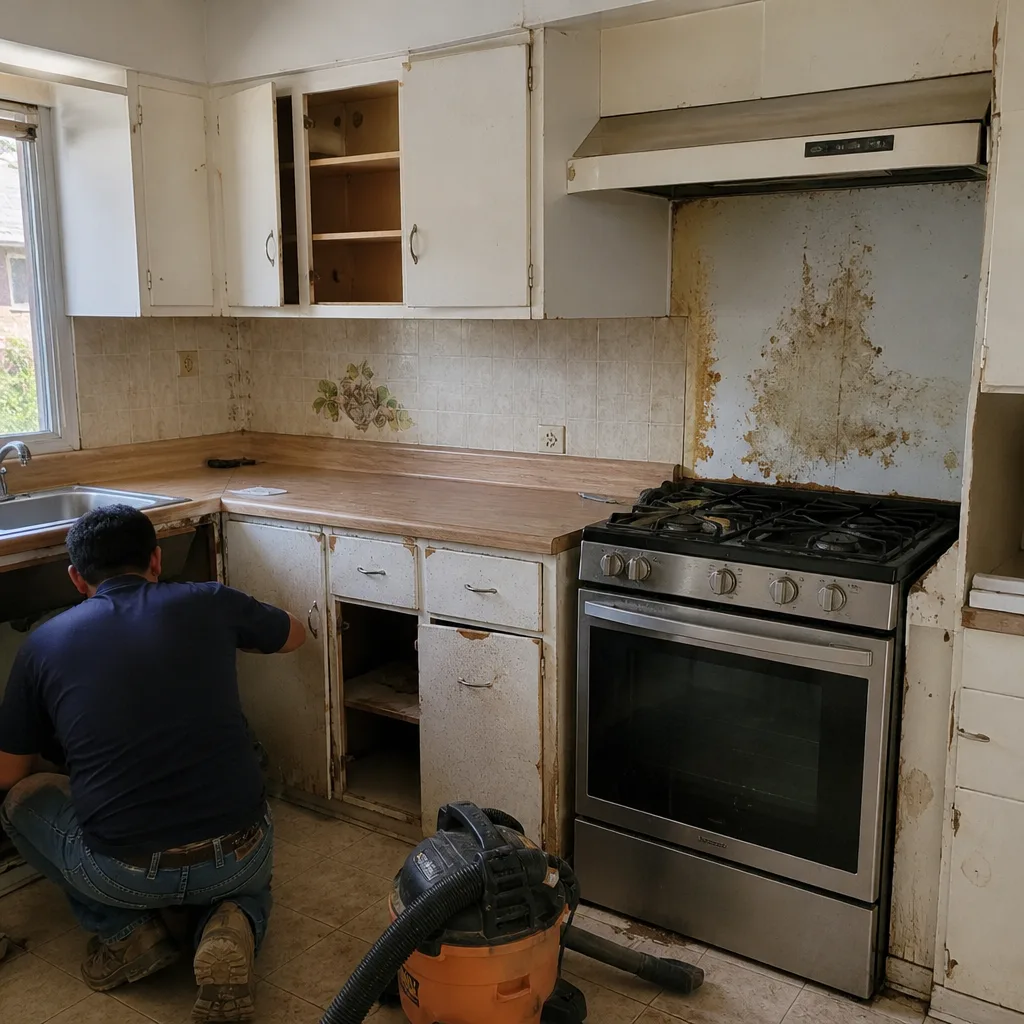 Before
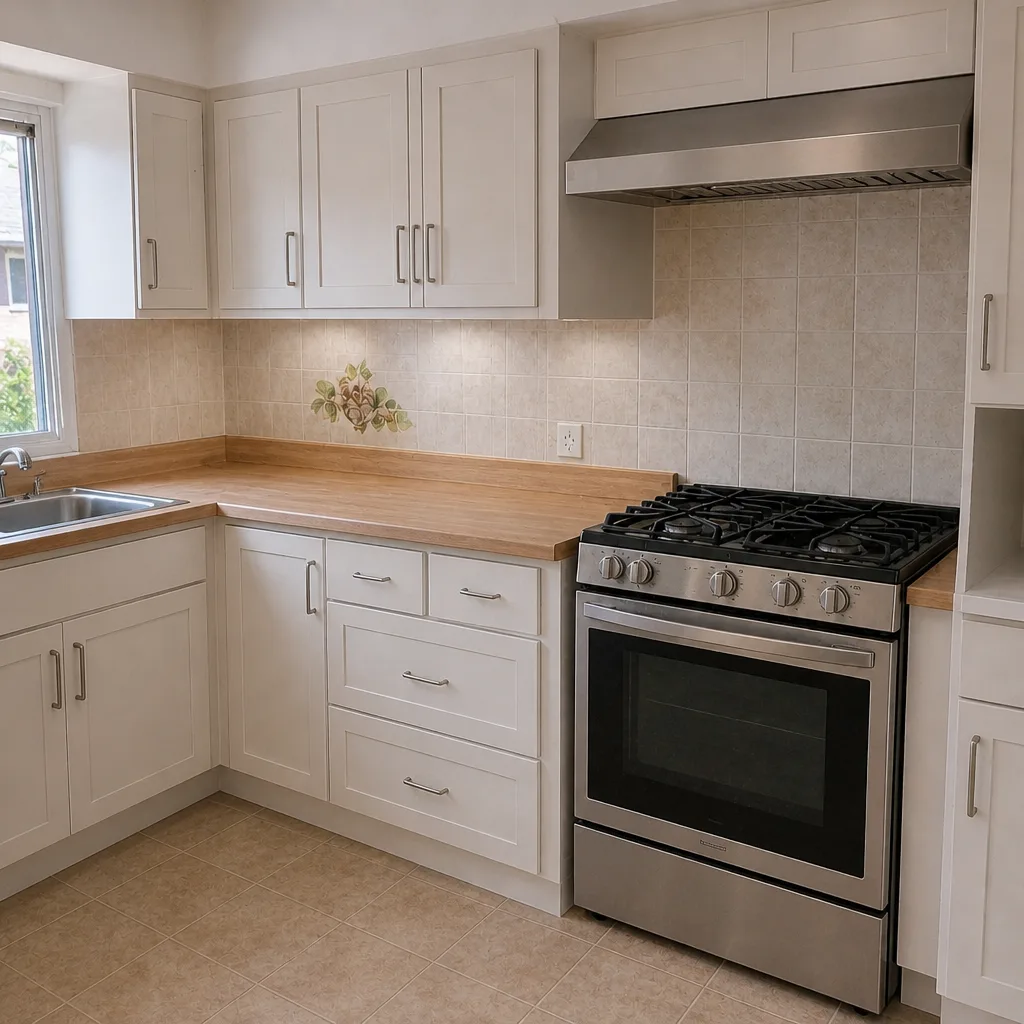 After
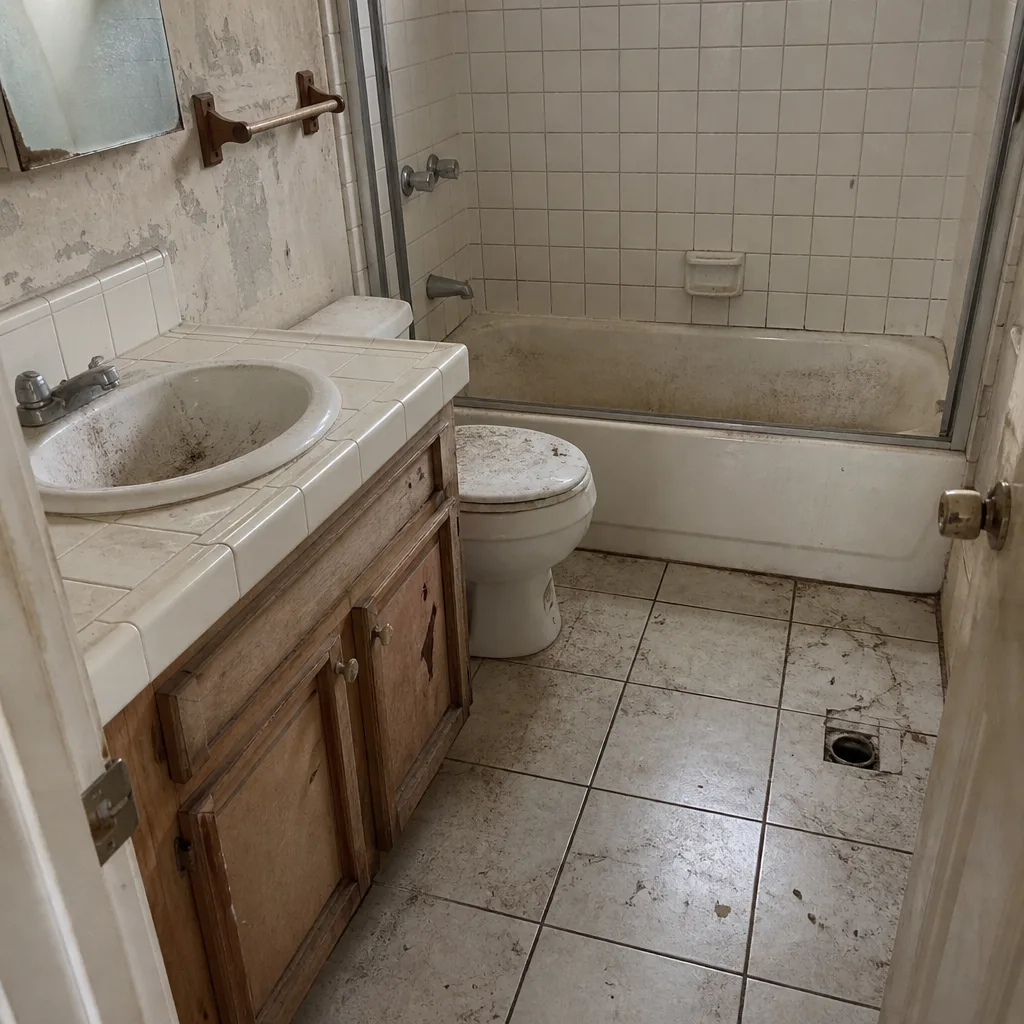 Before
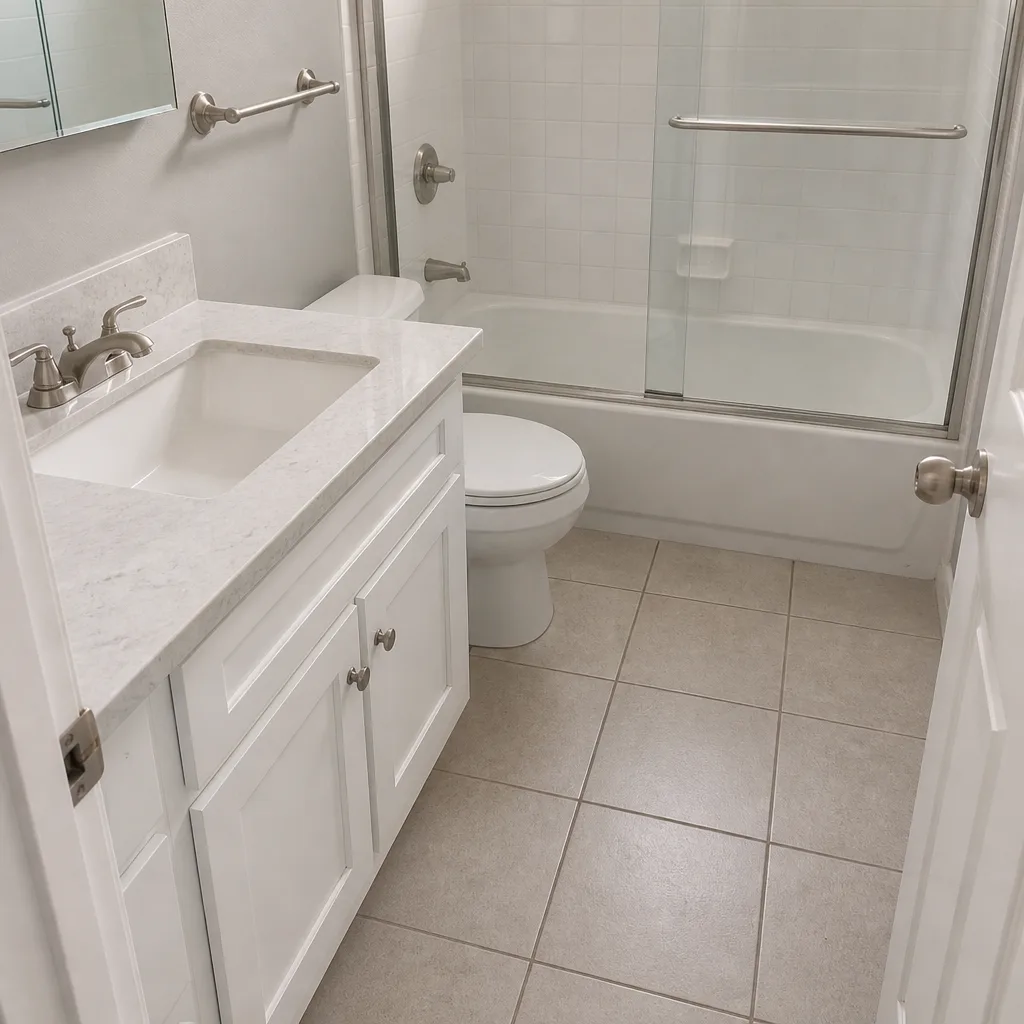 After
When to Call a Professional
Some of this checklist you can run yourself in twenty minutes with a screwdriver and a straightedge. The moment the checklist turns up three things, it’s time for a set of trained eyes: widespread lippage over 10 mm, a hollow sound under multiple pavers, or a joint that has failed three seasons in a row in the same spot. Those are signs of base failure or clay movement, and repointing or re-sanding will not fix either. If a repair turns out to be a re-base, the soil might need to be over-excavated and re-compacted in lifts to handle the expansive clay instead of just resetting the pavers on top of the failed base. A tree root that’s under the driveway edge usually means a root barrier is added during the repair. If a repair edges toward a larger scope, our team can also walk you through how a paving project gets scoped alongside an addition or ADU, covered on our Home Additions & ADU in Newport Beach page. Rowan Construction Group Fullerton offers free estimates in Fullerton. Call (844) 320-7095 to schedule yours.
Frequently Asked Questions
Typical range in Fullerton is $350 to $900 for a re-sand and joint repair on a 1,000-square-foot drive, $600 to $1,800 for localized base repair under a failed section, and $2,500 to $6,000 for full base rebuild on a driveway with widespread failure. Resealing runs $400 to $900 depending on material and size. The number depends mostly on whether the cause is surface or subgrade, which is why we diagnose before quoting. Call (844) 320-7095 for an exact quote. Estimates are free.
Every three to five years on concrete pavers, and every twelve to eighteen months on natural stone like travertine. Sealing more often than that is a common mistake: a film of sealer that doesn’t fully cure before the next coat goes on will turn cloudy and trap moisture. Wait at least one full dry season after install before the first seal.
No. Every Rowan project gets a flat written price and written scope before anyone picks up a tool, and no work proceeds on a change until you sign a change order. That’s the discipline behind the 365-Day Done Right Promise. Bring a competitor’s driveway quote and we’ll review it line by line at no charge as a second opinion.
In a narrow window, sometimes. Water-based sealers want ambient temperatures between 50°F and 85°F and 24 hours of dry cure after application. Fullerton’s December through February window is too wet and too cool for reliable results most years. Late spring and early fall are the safe seasons.
Lippage is the height difference between one paver and its neighbor, measured with a straightedge across the joint. Under 3 mm is cosmetic. Between 3 mm and 10 mm in a scattered spot is monitor-and-see. More than 10 mm in a cluster of pavers is a base problem until a professional confirms otherwise. Don’t repoint over lippage; it will crack again.
Yes, on average, because much of Fullerton – particularly the 92832 and 92835 zip codes – sits on expansive clay soil that moves seasonally. A paver install that would last ten years in sandier soil can show joint failure in three to four years here if the subgrade wasn’t designed for movement. That’s why our recommended checklist starts with the soil, not the surface.
The Bottom Line
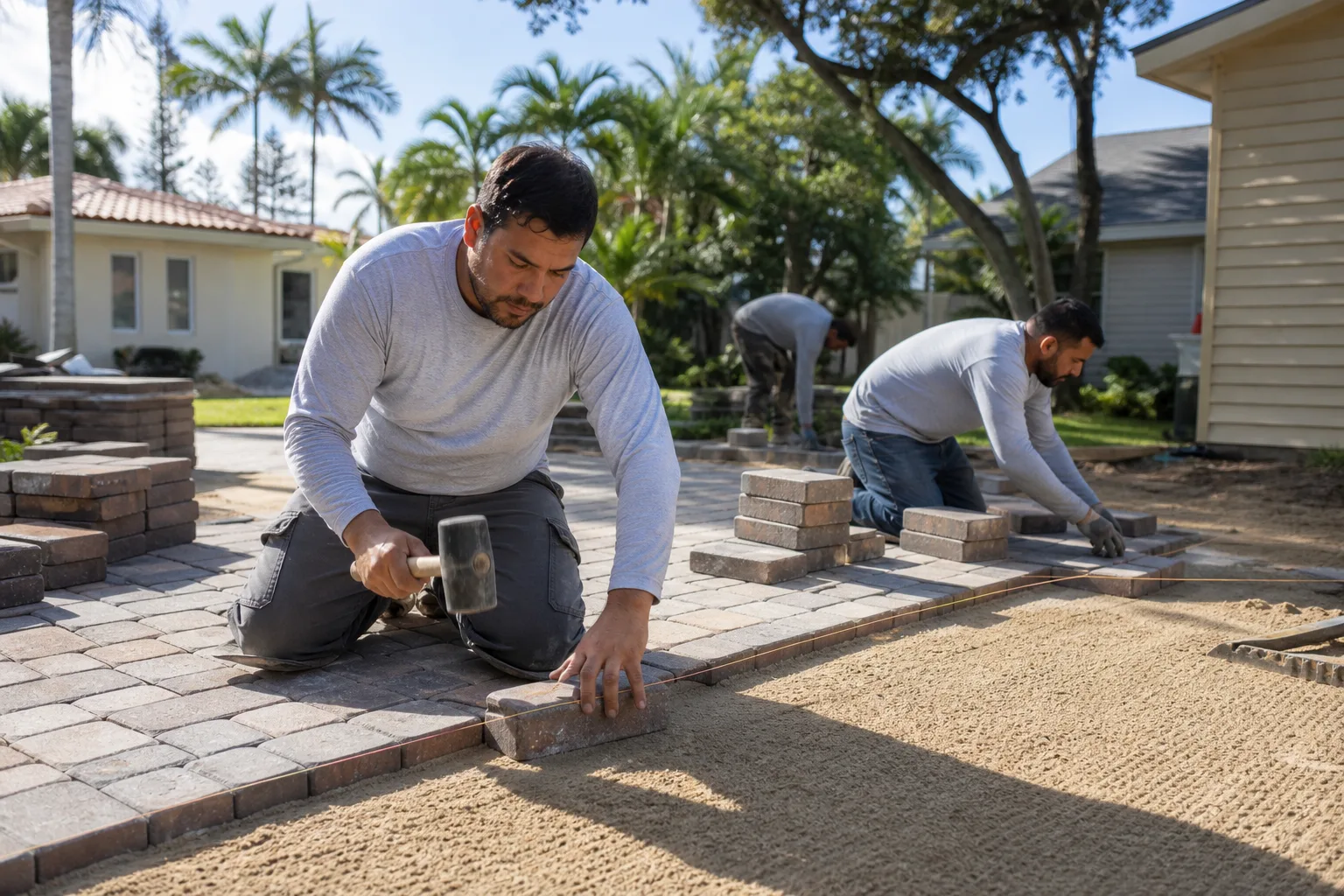
Fullerton drives fail from the ground up, not the top down. The clay under your driveway moves seasonally, and the maintenance work that actually matters is the work that catches that movement before it cracks the surface a third time. Inspect twice a year, March and October. Measure lippage and joint depth, not just “looks OK.” Match the joint sand and the sealer to the actual material. Keep dated photos and material labels in a file you can hand to a buyer or a warranty rep years from now. Rowan Construction Group Fullerton runs driveway and paver work under the same discipline we apply across every trade we operate in, from Fence Installation in Newport Beach to full home additions. Call (844) 320-7095 to schedule a free estimate and get a written price for your driveway before you spend a dollar on repairs.
Written by the team at Rowan Construction Group Fullerton.