Last updated November 18, 2026





Free written scope consultation - allowances, timeline, and change-order rules on paper before a single trade is scheduled
Fence Installation Maintenance Schedule: What to Do and When
A fence board left unsealed in Fullerton’s UV index loses surface fiber integrity in about 18 months. That same board in Seattle takes four years to reach the same condition. The difference is not the wood. It is the sun, and the dry air that pulls moisture out of cedar faster than any coastal climate will. Most wood fence maintenance schedules floating around online were written for rain-heavy climates, and they put sealing in late summer or fall. In Fullerton, that calendar is backwards. This guide lays out a twelve-month maintenance schedule built for Southern California light, with product names, coverage rates, and inspection steps you can actually follow. You’ll learn when to seal, what to check after rain, and how to keep a written log that saves you money on repairs.
Quick Answer
For a wood fence in Fullerton, the most important maintenance task is applying a penetrating oil sealer in March or April, before summer UV peaks. The full annual schedule runs: post-rain inspection in February, sealing in March – April, hardware lubrication in October, and pre-Santa Ana wind debris clearing in September. A fence maintained on this calendar will last 15 – 20 years instead of 8 – 10.
Styles & brands we work with
- Kitchen remodeling
- Bathroom remodeling
- Home additions & ADU
- Roofing
- Windows & doors
- Driveway & pavers
- Fence
Table of Contents
- Why a Southern California Fence Calendar Is Different
- The Twelve-Month Fullerton Maintenance Calendar
- Penetrating Oil vs. Film-Forming Sealers: Which to Use and When
- How to Inspect Post Bases and Grade-Line Rot
- Gate Hardware: Lubrication, Tension, and When to Replace
- Pre-Santa Ana Wind Debris Clearing
- Building a Maintenance Log a Contractor Can Use
- When to Repair and When to Replace
Why a Southern California Fence Calendar Is Different
Fullerton sits in a climate zone with roughly 280 sunny days a year and a UV index that averages 6 to 8 year-round. That is not a seasonal spike. It is a constant load on wood. The sun breaks down lignin, the natural polymer that holds wood fibers together, and once lignin is gone the surface turns gray and starts to check, which means small cracks running along the grain. Those checks become entry points for moisture when the occasional rain does arrive.
Add dry Santa Ana winds, which push humidity down into the teens and pull moisture out of fence boards fast, and you have a cycle that stresses wood year-round rather than seasonally. Cedar and redwood handle it better than pine, but no wood is immune.
Compare that to a Pacific Northwest schedule, where the main threat is constant moisture and the maintenance logic is about preventing rot and mold. Sealing there is often a fall task, timed to protect against winter rain. In Fullerton, sealing in fall means the sealer cures and then takes the full UV load in spring and summer anyway. Sealing in March, after the rainy season has passed and before the summer UV peak, puts the protective layer on when it matters most. That single timing shift is the most important change you can make to a generic maintenance schedule.
The Twelve-Month Fullerton Maintenance Calendar
Here is the schedule we recommend for any wood fence in Fullerton. It assumes a standard cedar or redwood fence with pressure-treated posts. Adjust slightly for composite or vinyl, which need less sealing but still need hardware and post checks.
- February – Post-rain inspection. After the last significant rain of the season, walk the full fence line. Look for pooling water at post bases, loose boards, and any hardware that has rusted or pulled loose. Check for termite mud tubes along the bottom rail.
- March – April – Seal the fence. Apply a penetrating oil sealer when daytime temperatures are consistently above 60°F and no rain is forecast for 48 hours. Two coats on sun-facing boards, one coat on the shaded side. This is the single most important task of the year.
- May – Board and rail check. Look for popped nails, warped boards, and any gap wider than a quarter inch between pickets. Replace or re-secure before summer heat causes further movement.
- September – Pre-Santa Ana debris clearing. Before Santa Ana wind season peaks, clear all vegetation, debris, and loose material from along the fence line. Trim any tree branches that could strike the fence in high wind.
- October – Hardware lubrication and gate adjustment. Lubricate hinges, latches, and any metal fasteners. Check gate tension and adjust hinges if the gate is sagging or dragging. See the hardware section below for product guidance.
- November – January – Light inspection and spot touch-up. Check for any winter damage after each storm. Touch up sealant on any board that has lost its coat.
If your fence is part of a larger property project, say a new addition or ADU, keeping the fence maintained alongside other work saves time and money. Rowan Construction Group handles Home Additions & ADU work in Newport Beach and similar projects where fence lines get altered or replaced. For a full picture of what we build, see the Rowan Construction Group Fullerton home page.
Penetrating Oil vs. Film-Forming Sealers: Which to Use and When
Two categories of sealer dominate the market, and they behave differently under Fullerton sun. Choosing the wrong category is the most common reason a sealed fence looks gray again within a year.
Penetrating oil sealers soak into the wood fibers and protect from the inside. They do not form a surface film, so they cannot peel or flake. Products like Armstrong Clark and TWP 100 Series are the best-known names in this category, and both are formulated for high-UV climates. They cover roughly 150 – 250 square feet per gallon, depending on wood porosity and whether you are applying one or two coats. In Fullerton conditions, expect to reapply every 18 – 24 months, with a spot touch-up on the sun-facing side every 12 months.
Film-forming sealers sit on top of the wood and form a protective layer. They look good initially but break down under UV and can peel, trapping moisture underneath. In a climate where wood expands and contracts dramatically between dry summer and wet winter, film-forming sealers are more prone to cracking and peeling. We do not recommend them for Fullerton fences unless the wood is a composite product designed for that type of coating.
Application matters as much as product. Both Armstrong Clark and TWP require a clean, dry surface. If the fence has never been sealed, or has an unknown previous coating, test a small board first. Apply when the wood moisture content is below 15 percent, which you can check with a cheap moisture meter from any hardware store. Do not seal if rain is forecast within 48 hours. Do not seal over dirt, mold, or mill glaze. A pressure wash at low pressure, followed by a dry day, is the standard prep.
For homeowners comparing this to other exterior maintenance projects, a similar discipline applies to Driveway & Pavers work in Newport Beach and elsewhere: product choice and application timing drive longevity, not the label on the can.
How to Inspect Post Bases and Grade-Line Rot
Fence posts fail at the grade line, not at the top. That is where moisture sits, where soil contact happens, and where termites enter. A post that looks perfect from six feet away can be hollow at the base. The screwdriver test is the fastest way to find out.
- Clear the base. Pull back soil, mulch, and vegetation from around the post to expose the first three inches above grade.
- Tap with the handle of a screwdriver. A solid, high-pitched tap means sound wood. A dull, hollow, or squishy tap means rot has started inside.
- Probe with the screwdriver tip. Push the tip into the wood at a 45-degree angle. If it sinks in more than a quarter inch with moderate hand pressure, the wood has softened.
- Check both the post and the base plate or concrete collar. A metal post base that has rusted through allows water to sit against the wood. Rust streaks running down the post are a red flag.
- Look for termite evidence. Mud tubes along the post, hollowed wood, or small piles of frass indicate termite activity. Fullerton’s dry climate and warm soil make subterranean termites a real risk in fence posts.
A solid tap at every post, with no soft spots and no termite evidence, means the fence structure is in good shape. One or two failed posts can be replaced individually, but if you find three or more in a single fence line, the post system is failing and a full replacement becomes the more economical choice. This is the same condition-versus-cost calculus we apply across every trade, and it is exactly what the written price you get from Rowan reflects: what we found, in plain terms, then what it costs to fix.
Gate Hardware: Lubrication, Tension, and When to Replace
Gates take more abuse than any other part of a fence. Every swing stresses the hinges, and every slam works the latch loose. A gate that sags, drags, or fails to latch is a security and safety issue, and it is almost always a hardware problem rather than a fence problem.
Lubrication. Apply a dry lubricant or a silicone-based product to hinges and latches every six months, in spring and fall. Avoid petroleum-based lubricants on galvanized hardware. Petroleum products react with the zinc coating and accelerate corrosion, which is exactly the opposite of what you want in an outdoor gate. Silicone spray or a dry PTFE lubricant is the right choice for galvanized hinges and self-closing latches.
Hinge tension. Hinges with adjustable tension need checking twice a year. The gate should swing freely but not slam. If the gate is dragging at the latch side, the top hinge or bottom hinge tension is off. Adjust in small increments, and test after every quarter turn. On a wooden gate, check the hinge screws too; a loose screw in soft wood will not hold tension no matter how you adjust it.
When adjustment becomes replacement. If the hinge has visible movement between the pin and the knuckle, or if the latch no longer engages cleanly even after adjustment, replace the hardware. Galvanized hardware in Fullerton sun and occasional rain typically lasts five to eight years before replacement is warranted. Stainless steel lasts longer. Latch alignment problems after hardware replacement usually point to post movement, which circles back to the post inspection above. For a new gate or a full fence replacement, our Fence Installation in Newport Beach page covers what we install and how we price it.
Pre-Santa Ana Wind Debris Clearing
Santa Ana winds arrive in Southern California most reliably from September through November, sometimes earlier. They are hot, dry, and gust heavily, and they carry anything loose along the fence line into the fence itself. A fence board that takes a strike from a wind-driven branch is a repair. A fence panel that catches a full load of debris becomes a structural problem.
Before the wind season, clear the following from along the entire fence line:
- Dead palm fronds, which are heavy and catch wind like a sail
- Loose soil and mulch piled against the fence base, which traps moisture after the first rain
- Tree branches within three feet of the fence top, especially on eucalyptus and ficus trees
- Any loose boards or pickets, which become airborne in high wind
- Stacked materials on the property side that could blow into the fence
Check the fence line after any wind event over 40 mph. Look for leaning posts, popped nails, and boards that have separated from the rail. A leaning post should be addressed quickly; waiting until the next rainy season allows water to enter the loosened footing and accelerates rot.
Building a Maintenance Log a Contractor Can Use
A maintenance log is only useful if a contractor can read it and price repairs without asking you to schedule a second visit just to gather information. That means recording specific conditions, not general impressions. A log that says “fence looks okay” does not help anyone. A log that says “post 7 at south end shows hollow tap at grade, 1/4 inch soft spot on northwest face” gives a contractor enough to estimate a repair the same day.
Record the following at every inspection:
- Date and weather conditions at the time of inspection
- Post-by-post condition: solid tap, hollow tap, or soft spot, with a numbered reference (post 1 at the north gate, counting east)
- Board condition: warped, cracked, missing, or separated boards, with a location reference
- Sealer status: date last sealed, product used, number of coats, and any areas where the coat has failed
- Hardware status: hinge and latch condition, lubrication date, any replacement needed
- Photos: a photo of each section, taken from the same angle each time so you can compare over the years
A log like this has real value at resale and at repair time. It is also the standard we hold every Rowan visit to. Every visit includes a documented photo record as a standard deliverable, so you have an independent record of the condition we found and the work we did. If you are preparing a fence for a larger project, such as a Home Addition & ADU in Newport Beach, the log tells your contractor exactly what is sound and what is not, and that prevents surprise line items.
When to Repair and When to Replace
Repair is almost always the cheaper choice when the fence structure is sound and the problems are surface-level. Replace when the structure is compromised. Here is the rough division:
- Repair: one or two failed posts, a few warped boards, a single gate that needs new hardware, surface graying that responds to a sealer coat
- Replace: three or more failed posts in a single line, a fence with visible lean over multiple panels, widespread board checking with structural cracks, termite damage across more than 20 percent of the structure
The decision has a cost dimension too. A full fence replacement on a typical Fullerton lot runs a range of projects, and keeping a written estimate in hand makes the comparison honest. We put the number in writing before any work starts, with a written scope and a written warranty, so the decision between repair and replace is made on a documented number rather than a verbal one. The same approach applies across the Rowan Construction Group Fullerton home trades, from fencing to Fence Installation in Newport Beach.
Common Mistakes to Avoid
- Sealing in fall instead of spring. A fall sealer coat cures and then takes the full summer UV load in Fullerton while early-summer rain washes the surface. By the next spring it is failing. March or April is the window that matters.
- Using a film-forming sealer on wood in a dry climate. Film-forming products peel under UV, and peeling traps moisture against the wood. That trapped moisture causes rot in a climate where rot would otherwise be slow.
- Skipping the post base inspection. The top of the post always looks fine. The level at which it rots is the grade line. A fence that looks healthy at eye level can fail at the first wind event.
- Using petroleum-based lubricant on galvanized hinges. Petroleum products break down the zinc coating, and the hinge rusts from the inside. Silicone or dry PTFE is the right product for outdoor gate hardware.
- Waiting for the Santa Ana season to clear debris. A wind-driven palm frond hits harder than a dead one sitting on the ground. The clearing happens before the season, not after.
- Keeping no written record. A fence with no log means every contractor has to re-inspect to price a repair. That adds time and usually adds a diagnostic line item. A simple log with photos and post-by-post notes prevents both.
- Ignoring termite evidence at the base. Fullerton’s warm soil and dry summers make subterranean termites a genuine threat to fence posts. Mud tubes and hollowed wood need action, not a coat of sealer over them.
See the difference
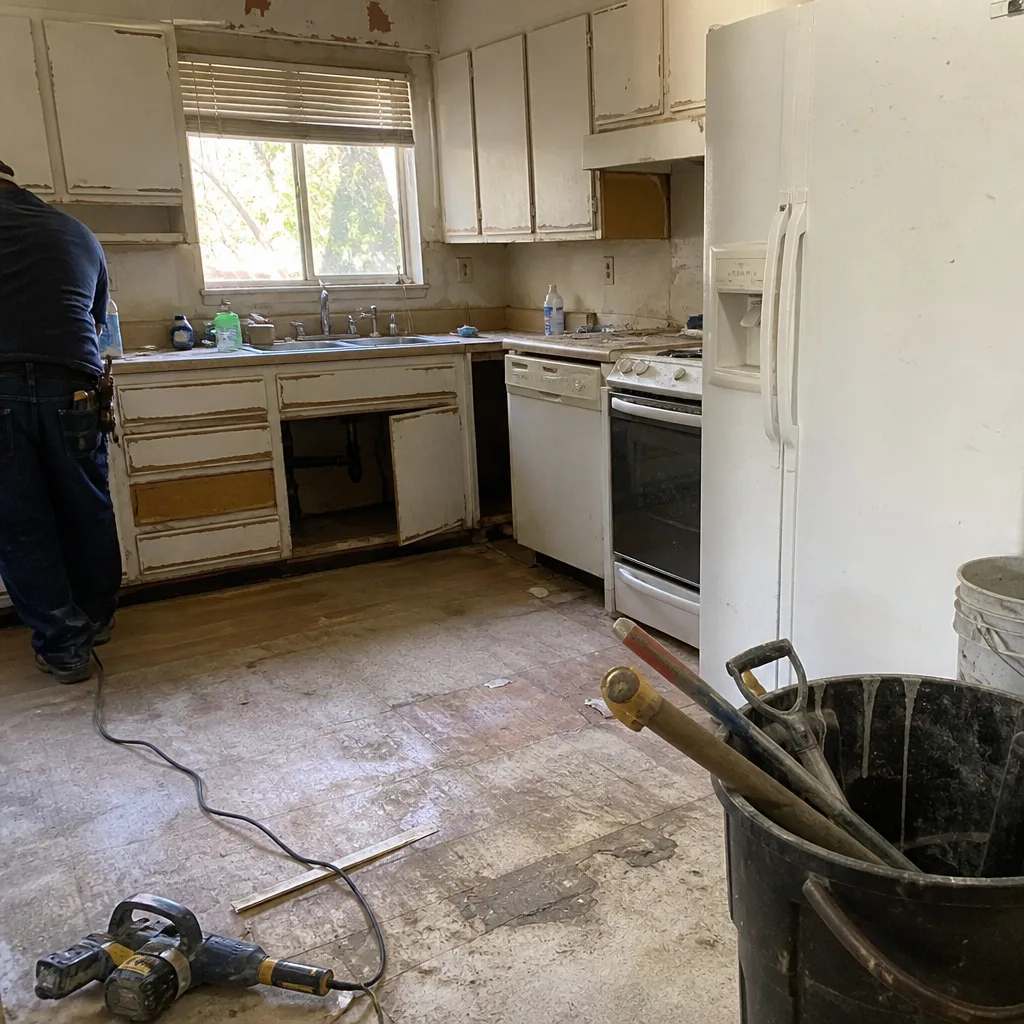 Before
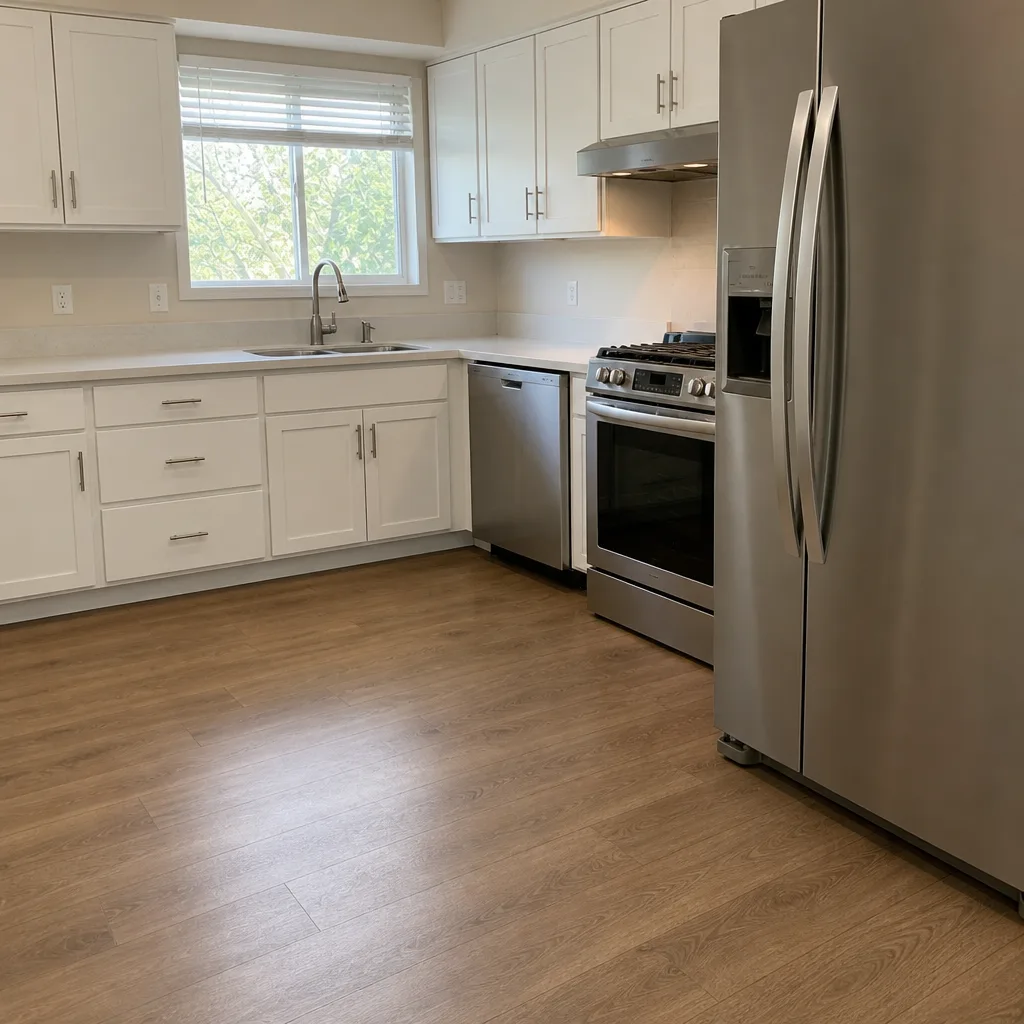 After
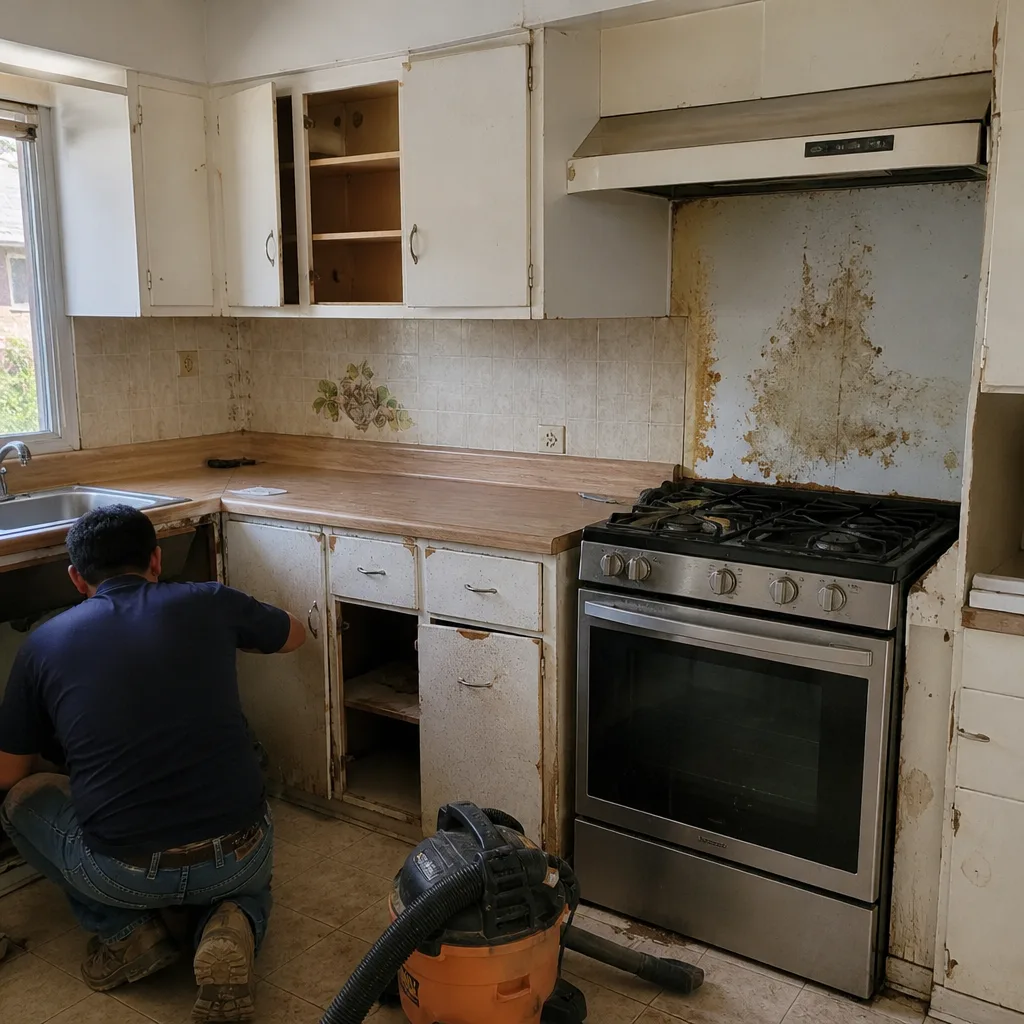 Before
 After
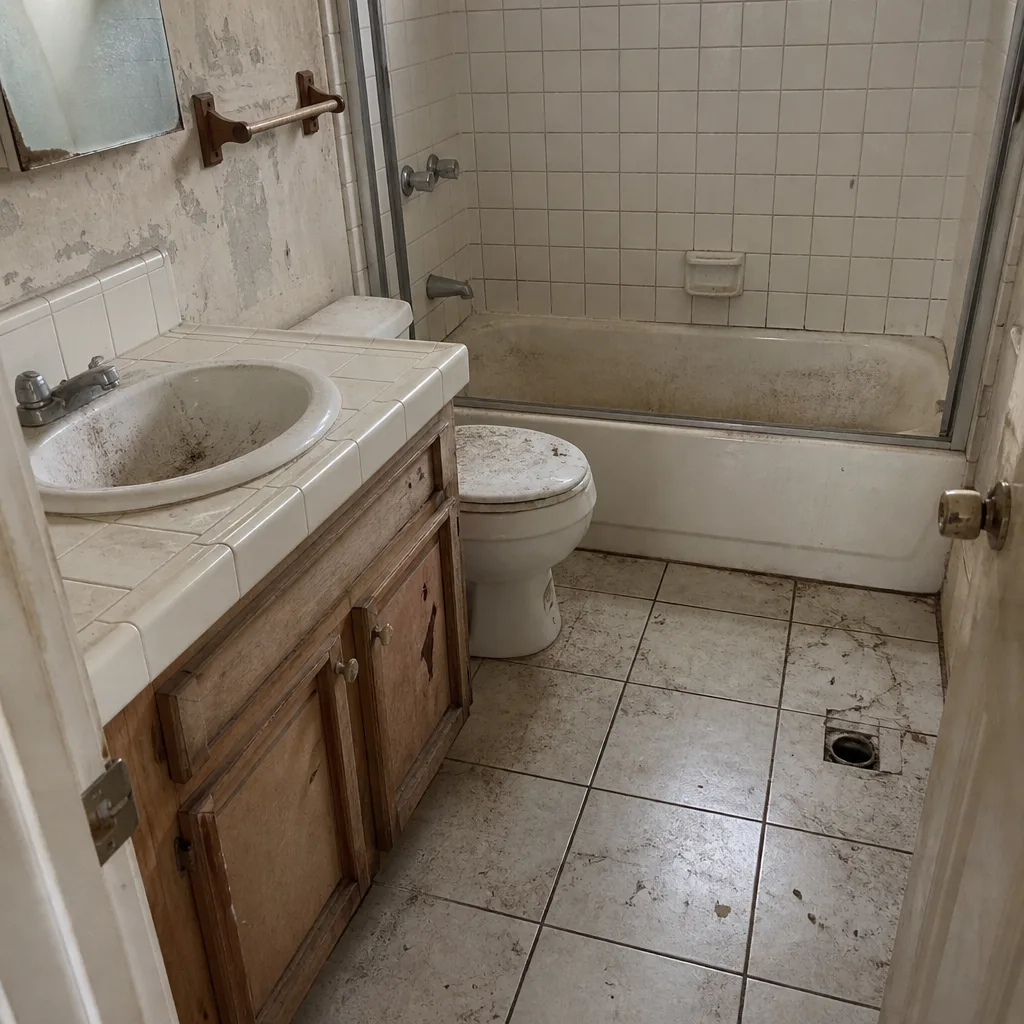 Before
 After
When to Call a Professional
Most of the annual fence schedule is genuinely do-it-yourself work: inspection, debris clearing, lubrication, and even sealing on a fence in good condition. The point at which a professional is warranted is when the news is structural. A post with a hollow tap at the grade line needs replacement, and replacing a post correctly involves pulling concrete, setting the new post plumb, and re-hanging the panels without disturbing the neighbors. Gate hardware replacement that reveals a loosened post is the same situation. So is any termite activity beyond a single tube. And so is a fence that has started to lean in multiple sections, where the footing is failing and patching one panel will just move the problem down the line. Rowan Construction Group Fullerton offers free estimates in Fullerton. If you want a written price on a repair or replacement before you decide, call (844) 320-7095. We also offer a free second opinion on any written estimate you already have, reviewed line by line at no charge.
Frequently Asked Questions
Every 18 to 24 months with a penetrating oil sealer, with a spot touch-up on the sun-facing side every 12 months. Fullerton’s UV index averages 6 to 8 year-round, which is a direct load on the wood and on the sealer itself. The spring window from March to April is the best time to apply a full coat.
A penetrating oil sealer designed for high-UV climates, such as Armstrong Clark or TWP 100 Series. Both soak into the wood rather than forming a surface film, so they cannot peel and they protect the fibers from inside. Coverage runs roughly 150 to 250 square feet per gallon depending on wood porosity and number of coats.
Tap the post at the grade line with the handle of a screwdriver. A solid, high-pitched tap means sound wood. A dull or hollow tap means rot has started inside. Then push the screwdriver tip into the wood at a 45-degree angle; if it sinks more than a quarter inch with moderate pressure, the wood has softened and the post needs replacement.
Most reliably from September through November, though early events happen. Before the season, clear dead palm fronds, loose boards, stacked materials, and tree branches within three feet of the fence top. Check the line after any wind event over 40 mph for leaning posts and popped nails.
A silicone spray or dry PTFE lubricant. Avoid petroleum-based products on galvanized hardware, because petroleum breaks down the zinc coating and causes rust from the inside. Apply every six months, in spring and fall, and adjust hinge tension at the same time.
It depends mostly on what the inspection finds: a single post replacement runs in the same range as a few board replacements, while a full panel replacement adds cost because of concrete work at the footing. We put the price in writing before any work starts, with a written scope and written warranty. Call (844) 320-7095 for a free estimate and an exact number for your fence.
The Bottom Line
A fence maintenance schedule written for a rainy climate will fail a Fullerton fence. The calendar that works here is built around UV load and dry air, which means sealing in March or April before the summer sun peaks, and it means inspecting post bases at the grade line where rot actually starts. The other three tasks, February post-rain inspection, September debris clearing before Santa Ana winds, and October hardware lubrication, are simple enough to do yourself. The one task that repays a professional is structural repair, and that is where a written price and a documented record matter. Keep a log with photos and specific observations, and any contractor can read it and price repairs without a second visit.
If your fence needs structural work or you are ready to price a replacement, call Rowan Construction Group Fullerton at (844) 320-7095 for a free estimate. The written price is delivered before any work starts, covered by the 365-Day Done Right Promise, and you can bring a competitor’s written quote for a free line-by-line second opinion. Our technicians have up to 19 years of experience, and every visit includes a documented photo record as a standard deliverable.
Written by the team at Rowan Construction Group Fullerton.