Last updated November 18, 2026






Free written scope consultation - allowances, timeline, and change-order rules on paper before a single trade is scheduled
How Long Does Bathroom Remodeling Take? Timelines and What to Expect
A single delayed tile order can push a bathroom remodel from 3 weeks to 7. Not because anyone works slower, but because tile has to arrive before the mud bed is set, and the mud bed can’t be set until plumbing rough-in passes inspection. We’ve seen this exact chain reaction stall projects in Fullerton more times than any other cause. The schedule wasn’t wrong about how fast people hammer and trowel. It was built without room for the wait. This guide maps every phase with real day counts and names the five decision points that, if missed, quietly add weeks to a job you thought was 21 days out.
Quick Answer
A full gut bathroom remodel typically takes 4 to 8 weeks from demolition to final walkthrough. A cosmetic refresh – new vanity, fixtures, paint, no layout change – runs 2 to 3 weeks. The spread between those numbers comes almost entirely from material lead times and inspection hold points, not construction speed. If tile, glass, and any custom pieces are ordered and in hand before demo day, a standard Fullerton hall bath usually lands near the low end of that range.
Styles & brands we work with
- Kitchen remodeling
- Bathroom remodeling
- Home additions & ADU
- Roofing
- Windows & doors
- Driveway & pavers
- Fence
Table of Contents
- Phase-by-Phase Day Count for a Full Gut Remodel
- The Inspection Hold Point Nobody Explains Upfront
- Material Lead Times That Schedules Ignore
- How to Read a Contractor’s Schedule (and What a Vague One Signals)
- The Five Decision Points That Add Weeks
- Seasonal Factors That Change Timeline Probability
- Small Updates vs. Full Remodels: Where the Weeks Come From
- Common Mistakes to Avoid
- When to Call a Professional
- Frequently Asked Questions
Phase-by-Phase Day Count for a Full Gut Remodel
Here’s the honest calendar for a standard 5-by-8 hall bathroom, taken down to studs and rebuilt. These are working days, not calendar days, and they assume materials are already staged in the garage or driveway.
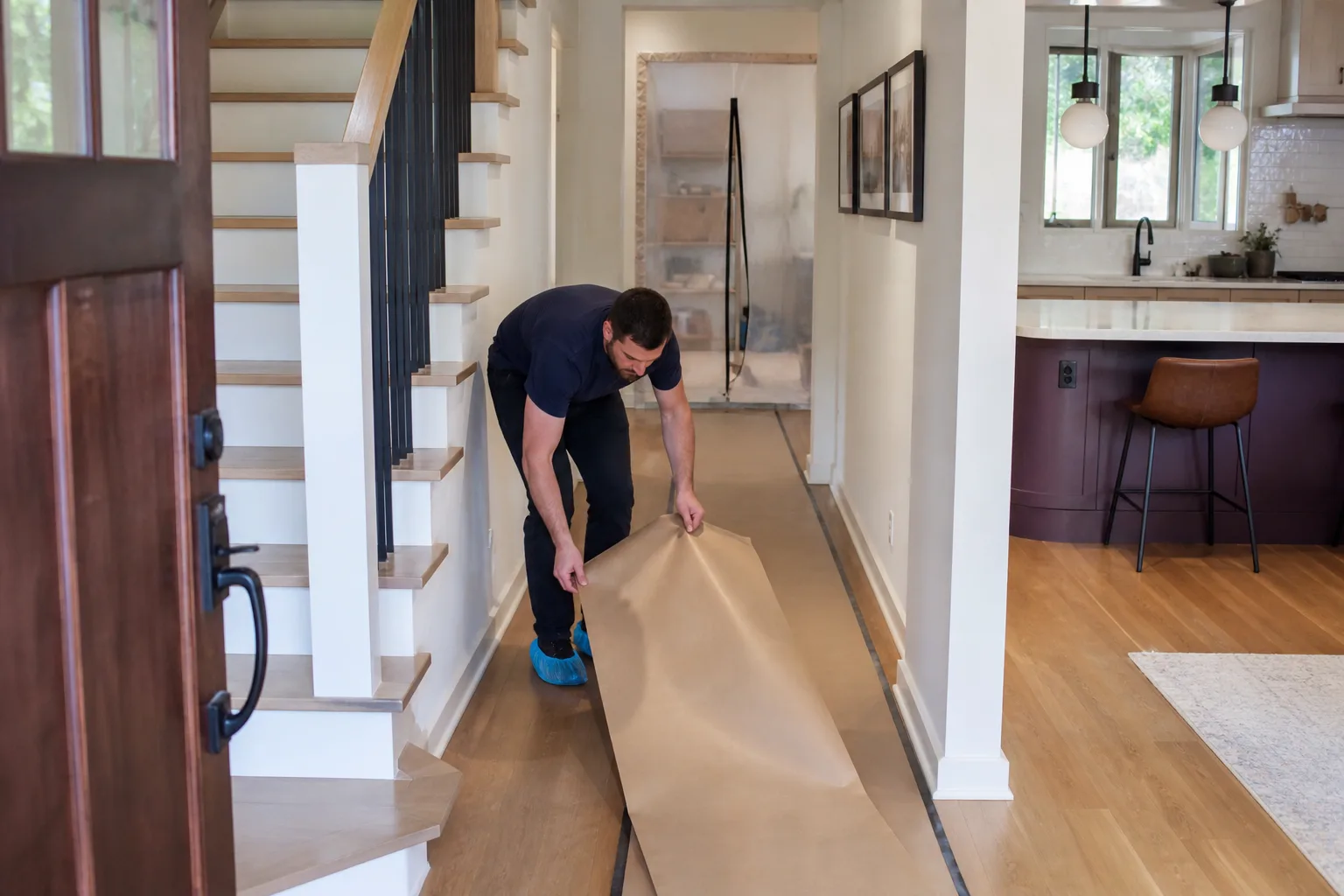
- Demolition – 1 to 2 days. Removal of tile, tub or shower, vanity, toilet, and drywall down to the studs. Dust containment goes up first. If the subfloor is soft from a slow leak, add a day for replacement.
- Rough plumbing and electrical – 2 to 4 days. New drain and supply lines, relocated shower valve, exhaust fan wiring, GFCI outlets. This is where a changed shower location adds a day, because the drain has to move within the joist bay.
- Framing and inspection hold – 1 to 5 days. The schedule stops here until the city signs off on rough-in. More on this below, because it’s the phase most timelines compress dishonestly.
- Waterproofing and cure – 2 to 3 days minimum. A bonded membrane like Schluter Kerdi or a liquid-applied system over cement board needs to set and cure before a single tile goes down. Rushing cure is how shower pans fail a year later.
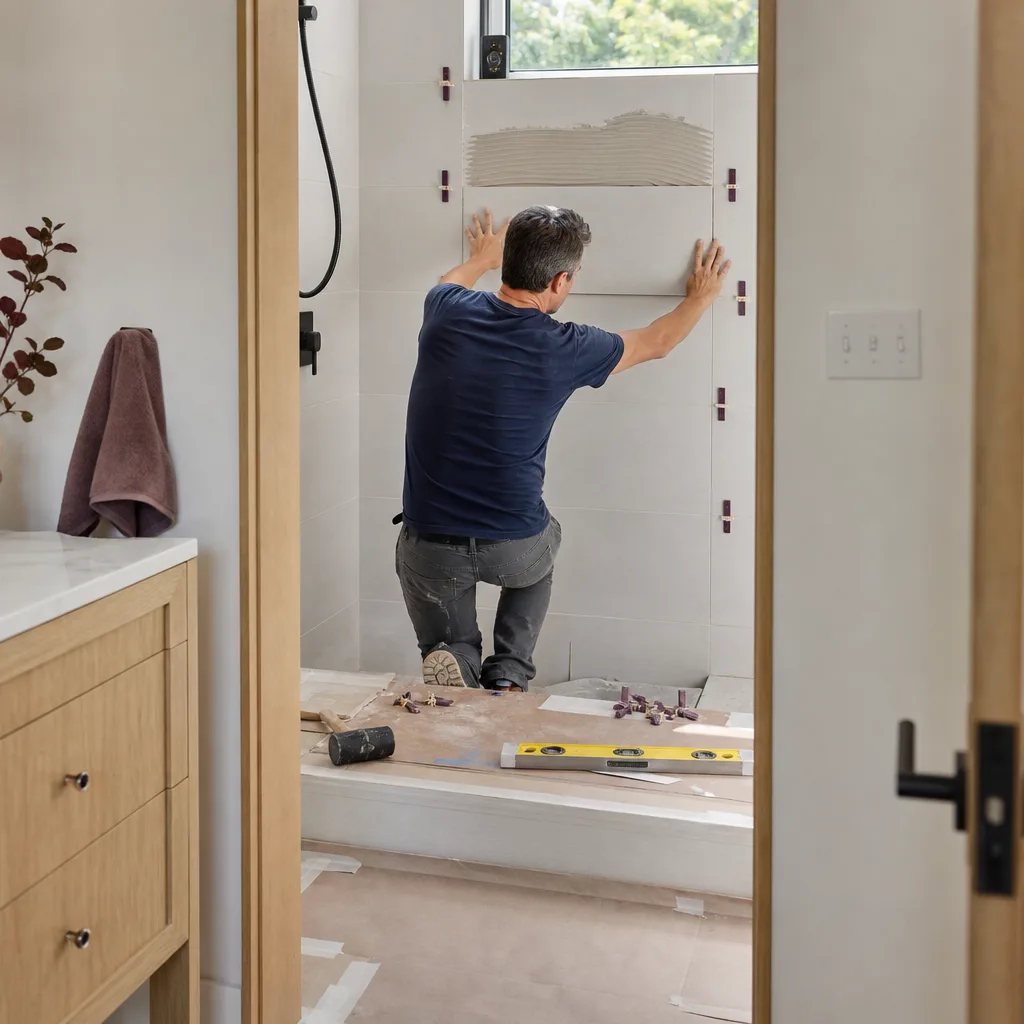
- Tile – 3 to 5 days. Walls, floor, and shower pan. Large-format porcelain is faster to lay than a mosaic with heavy grout work, but a herringbone pattern on the shower wall can add a day of labor on its own.
- Fixtures and trim – 1 to 2 days. Toilet, vanity, faucets, showerhead, mirror, towel bars. Glass goes in last if it’s a framed or frameless enclosure ordered to measure.
- Punch and final inspection – 1 to 2 days. Caulk, touch-up paint, and the walkthrough where you sign off.
Add those up and you get somewhere between 11 and 23 working days. The reason real projects run longer is everything that happens off the clock. That’s the subject of the next three sections.
The Inspection Hold Point Nobody Explains Upfront
Work cannot proceed past rough-in until the city signs off on plumbing and electrical. That’s not the contractor’s call and it’s not a delay anyone can muscle through. In our experience, the Newport Beach permit office typically turns around a rough-in inspection in 2 to 4 business days when the request goes in before midweek, and Fullerton runs in a similar window. Request it on a Friday afternoon and you’ve just handed yourself a weekend plus two days.
Here’s what this means for the calendar you were handed: any schedule that says “rough-in days 3-5, tile days 6-9” with no inspection block in between is not a schedule. It’s a wish. A legitimate timeline shows an explicit hold with a day range attached, usually worded something like “rough-in inspection – 2 to 5 business days, contingent on city.”
Two things shorten the hold:
- Filing the permit before demo. Pulling the permit a week before the crew arrives means rough-in inspection can be requested the same afternoon the plumbing is done, not a week into the job.
- Correct drawings on the first submission. A plan examiner who has to send the drawings back for a missing vent detail has just cost you a week before work even starts. We see this most on jobs where a wall is being moved and the plumbing schematic wasn’t updated to match.
What you should always get in writing: the permit number, the inspection request date, and a plain note that the hold is a city calendar item, not a contractor stall. Under Clause 1 of The Haven Standard, the price is written before anyone starts – and the same principle applies to the timeline. A hold point with a range beats a single number that pretends the city doesn’t exist.
Material Lead Times That Schedules Ignore
Construction is fast. Sourcing is slow. The gap between the two is where most bathroom timelines quietly fall apart. Here’s what typically needs to be on-site or ordered before demo day, with realistic lead times from our experience.
- Custom shower glass – 3 to 6 weeks. Frameless enclosures are templated after tile is finished, then fabricated, then installed. If the glass order is placed the week tile ends instead of the week the layout was approved, the job finishes a month after the “last” workday. This is the single most common source of a delayed final walkthrough.
- Specialty tile from a distributor – 2 to 4 weeks. Stock porcelain from the shelf of a Fullerton-area supplier is available in days. Special-order tile from a distributor, or a short-lot pattern that has to ship, runs 2 to 4 weeks and sometimes longer if the lot is backordered. Order it before you approve the demo date.
- Custom vanities vs. stock – 4 to 8 weeks vs. 3 to 7 days. A semi-custom or full custom vanity in a discontinued stain can’t be rushed. A stock vanity in a standard size is on a truck this week. The decision to go custom should be made at the same meeting as the tile selection, not after demo.
- Branded fixtures – 1 to 2 weeks if backordered. Grohe shower trims and Sterling tubs are usually in stock, but a specific finish or configuration can backorder. Confirm availability at order time, not install time.
The practical rule: the cabinet, tile, and glass order dates should appear on your schedule with real dates and real lead times. If they’re not there, the schedule is really just a labor estimate wearing a Gantt chart costume.
How to Read a Contractor’s Schedule (and What a Vague One Signals)
You don’t have to be a project manager to read a schedule. You have to know what to look for. A written timeline for a bathroom remodel that will hold up should include the following.
- Named phases with day counts. “Demo 1-2 days,” “Tile 3-5 days” – not “week 1: demo and prep.”
- Explicit inspection holds. A block for the rough-in inspection and the final inspection, each with a day range.
- Material order dates. The date the tile was ordered, the date the glass was templated, the date the vanity was confirmed.
- Cure and drying periods. Waterproofing cure, grout cure, and flooring cure where relevant. Two days is not padding – it’s construction physics.
- A dependency column or note. Things like “tile start requires glass template scheduled” tell you the order of operations is understood.
- Named decision deadlines for the client. “Tile selected by day 2” or “vanity approved by day 5,” so you know what you owe the calendar.
What a vague “estimated 3-4 weeks” actually signals is that the contractor hasn’t built the schedule yet. It’s a number that sounds reasonable and protects nobody. When you start reading schedules this way, you’ll notice which contractors actually plan. That discipline shows up in other places too – a written change order process, a documented photo record on every visit, and a written warranty that’s a page long and not a slogan. If you want a sense of how we handle the full scope, our Rowan Construction Group Fullerton home page lays out the standard every trade runs on.
The Five Decision Points That Add Weeks
Across 4,000-plus projects, deadlines land where they land. But we can tell you the five decisions that, made late, predictably add weeks to a bathroom remodel. Every one of them is a decision the homeowner controls. Move each one forward and the schedule holds.
- Layout changes after demo. Moving the toilet six inches means moving a drain, which means new plumbing, which means a re-inspection. That’s 2 to 5 days added in one meeting. Decide layout before demo and sign the drawing.
- Tile selection after demo. The most expensive delay in the whole project. Selecting tile after demo starts adds the entire 2 to 4 week distributor lead time onto a schedule that assumed tile was on-site. Pick tile before demo day. Full stop.
- Glass design chosen during tile, not before. Custom shower glass is templated after tile, so any change to shower proportions or door swing after the tile plan is set changes templating and adds another 2 to 4 weeks. Lock shower geometry in the design phase.
- Vanity sizing and finish after rough-in. A vanity that’s 3 inches wider than planned can collide with a door swing or a supply line. Select and confirm the vanity before rough-in framing so plumbing can be set to the real cabinet footprint.
- Fixtures and finish decisions late. A showerhead finish that goes out of stock in the last week is a two-week backorder. Order all fixtures when the tile is ordered. A written scope and a signed change order process exist for exactly this reason – a mid-project decision that isn’t written down is one that costs weeks you didn’t budget.
Seasonal Factors That Change Timeline Probability
A bathroom remodel in Fullerton behaves differently in January than in July. Not the construction, the surrounding calendar.
- Permit office staffing. Municipal offices in Orange County tend to be fully staffed through the winter and thin out in late June and the first two weeks of July, when vacation season overlaps with peak permit volume. A rough-in inspection that turns around in 2 business days in February can stretch past a week in early July.
- Contractor availability windows. Spring and early fall are the busiest booking windows in the Fullerton market. Getting on a good crew’s calendar in April sometimes means a start date in June. The demo date itself becomes the long lead time.
- Holiday weeks. The last two weeks of December and the week of Thanksgiving are effectively dead calendar time. Any schedule that doesn’t mark them down is a schedule that can’t hold.
- Rainy season and drying. Traditionally dry Southern California winters are mostly kind to moisture-sensitive work, but a wet January slows exterior-influenced drying for materials stored in a garage or driveway. Plan interior staging for the wet months.
Start demo in January and you have staffed permit offices and likely crew availability. Start in July and you have neither. That single choice can swing your timeline by 2 to 3 weeks without changing a single material or labor decision. If your project also includes an addition or ADU that competes for the same calendar, our Home Additions & ADU in Newport Beach guide covers how the longer-timeline scopes overlap with interior bathroom work.
Small Updates vs. Full Remodels: Where the Weeks Come From
The size of the bathroom matters less than whether the plumbing is being moved. Two projects with the same square footage can finish four weeks apart. Here’s the split.
- Cosmetic refresh – 2 to 3 weeks. New vanity, paint, fixtures, mirror, and accessory hardware. No movement of plumbing or electrical, no inspection hold, no demolition below the surface. This is the fastest bathroom project there is.
- Moderate remodel – 3 to 5 weeks. New tile floor and shower surround, new shower valve, new vanity, some electrical. One inspection hold, moderate material lead times.
- Full gut – 4 to 8 weeks. Everything down to studs, plumbing re-routed for a changed layout, new tub or shower, custom glass, full tile. Two inspection holds, multiple material lead times, and the highest chance of finding something unexpected behind the wall.
- Full gut with layout change and custom everything – 8 to 12 weeks. Custom vanity, special-order tile, custom glass, structural adjustments, and a permit that covers the layout change. This is where the phrase “3 to 4 weeks” belongs to nobody.
If the project touches an exterior wall, the schedule also has to account for the exterior trade. Fence or gate work happening near the same time? Our Fence Installation in Newport Beach guide explains how exterior sequencing interacts with interior work. And if the driveway is being re-poured or paved while the bathroom is being rebuilt, Driveway & Pavers in Newport Beach covers the order those two belong in.
Common Mistakes to Avoid
- Booking demo before the tile is on-site. This is the single most common cause of a three-week overrun. Place the tile order, confirm delivery, then set the demo date.
- Accepting “3 to 4 weeks” as a schedule. That’s a range, not a plan. Ask for phases, day counts, inspection holds, and material order dates in writing before you sign.
- Changing the layout after demolition. A drain relocation adds 2 to 5 days on top of an inspection request. Lock the drawing before the sledgehammer goes to work.
- Ordering custom glass the week tile ends. Template the glass the day the tile plan is finalized, not the day the tile is finished. That closes a 3 to 6 week gap.
- Not budgeting a contingency of 7 to 10% for what’s behind the wall. A bathroom in a 1970s Fullerton ranch home frequently has a rotted subfloor or out-of-date galvanized supply. Budget the contingency so an inspection finding doesn’t become a project stall.
- Starting in July without adding a week. Municipal staffing and crew availability both thin in July. Build that week into the calendar or start earlier.
- Skipping the written change order. Every change that isn’t signed is a change that will be argued about. Insist on it, every time, on every trade.
When to Call a Professional
Some of this work a homeowner can do. Moving a drain line or relocating a shower valve is not that work. If the plan calls for new plumbing, new electrical, or a layout change, you need a professional – not because you can’t swing a hammer, but because the inspection hold and the waterproofing detail are where a DIY bathroom fails a year later. At the same time, a cosmetic refresh with a new stock vanity and a tile surround is squarely in reach for a careful homeowner, and we’ll tell you honestly which side of that line you’re on.
Rowan Construction Group Fullerton offers free estimates in Fullerton – call (844) 320-7095. Bring a competitor’s quote if you have one and we’ll review it line by line at no charge. Every quote on a bathroom remodel comes with a written flat price, a written scope, and a written warranty. Our technicians have up to 19 years of experience, crews are background-checked and uniformed, a live person answers calls around the clock, and every visit includes a documented photo record as a standard deliverable.
Frequently Asked Questions
A full gut bathroom remodel in Fullerton typically takes 4 to 8 weeks, from demo to final walkthrough. The range depends mostly on material lead times and inspection turnaround, not construction speed. Call (844) 320-7095 for an exact timeline – estimates are free.
Yes, a 3-week bathroom remodel is realistic for a cosmetic refresh – new vanity, fixtures, paint, and tile surround with no plumbing or electrical changes. A full gut with a layout change cannot fit into 3 weeks because the city inspection holds and custom glass lead times alone exceed that window. Call (844) 320-7095 to talk through which category your project falls into.
Bathroom remodel pricing in the Fullerton market typically runs $12,000 to $22,000 for a full gut hall bath and $28,000 to $55,000 for a larger primary suite with a layout change and custom tile. Material choice – especially tile and custom glass – is the biggest driver. Call (844) 320-7095 for a written line-item quote – estimates are free.
Yes, the permit is pulled before demo begins, so the rough-in inspection can be requested the same afternoon the plumbing is finished rather than a week into the job. The permit number, inspection request date, and any hold period are written into the schedule. Call (844) 320-7095 to discuss your project’s permit scope.
No change proceeds without a signed change order. That’s the discipline that’s held our projects within a few percent of the agreed price across 4,000-plus jobs. If a hidden condition – a rotted subfloor, old galvanized supply – turns up in demo, we write the change, price it, and get your signature before any of it is performed. Call (844) 320-7095 for a written flat price before any work starts.
If tile, glass, and vanity are all in hand before demo, a standard hall bathroom in Fullerton usually finishes in 4 to 5 weeks including inspection holds and waterproofing cure. Having materials ready is the single highest-leverage decision a homeowner can make on the calendar. Call (844) 320-7095 and we’ll map the schedule against what you already have.
The Bottom Line
Bathroom remodel timelines are almost never a construction-speed problem. They’re a materials-ordering and inspection-hold problem. A full gut runs 4 to 8 weeks; a cosmetic refresh runs 2 to 3; the difference between them is plumbing changes and custom lead times. The schedule that holds is the one with named phases, day counts, explicit inspection holds, material order dates, and your decision deadlines. If a contractor hands you “3 to 4 weeks” with no schedule behind it, that’s the warning sign – not the duration. In Fullerton, the season you start in moves the timeline by 2 to 3 weeks on its own. Order the tile first, lock the layout, sign the change order, and the calendar takes care of itself.
Written by the team at Rowan Construction Group Fullerton.
See the difference
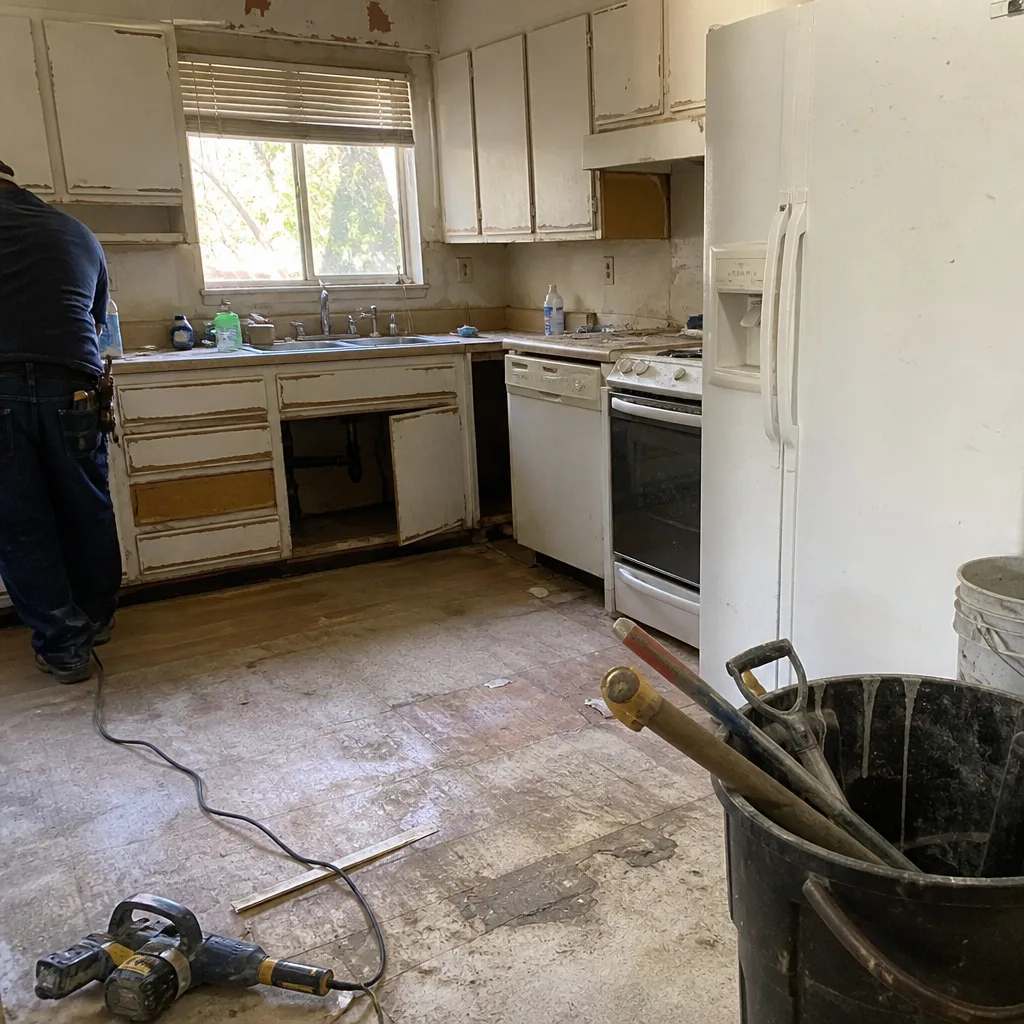 Before
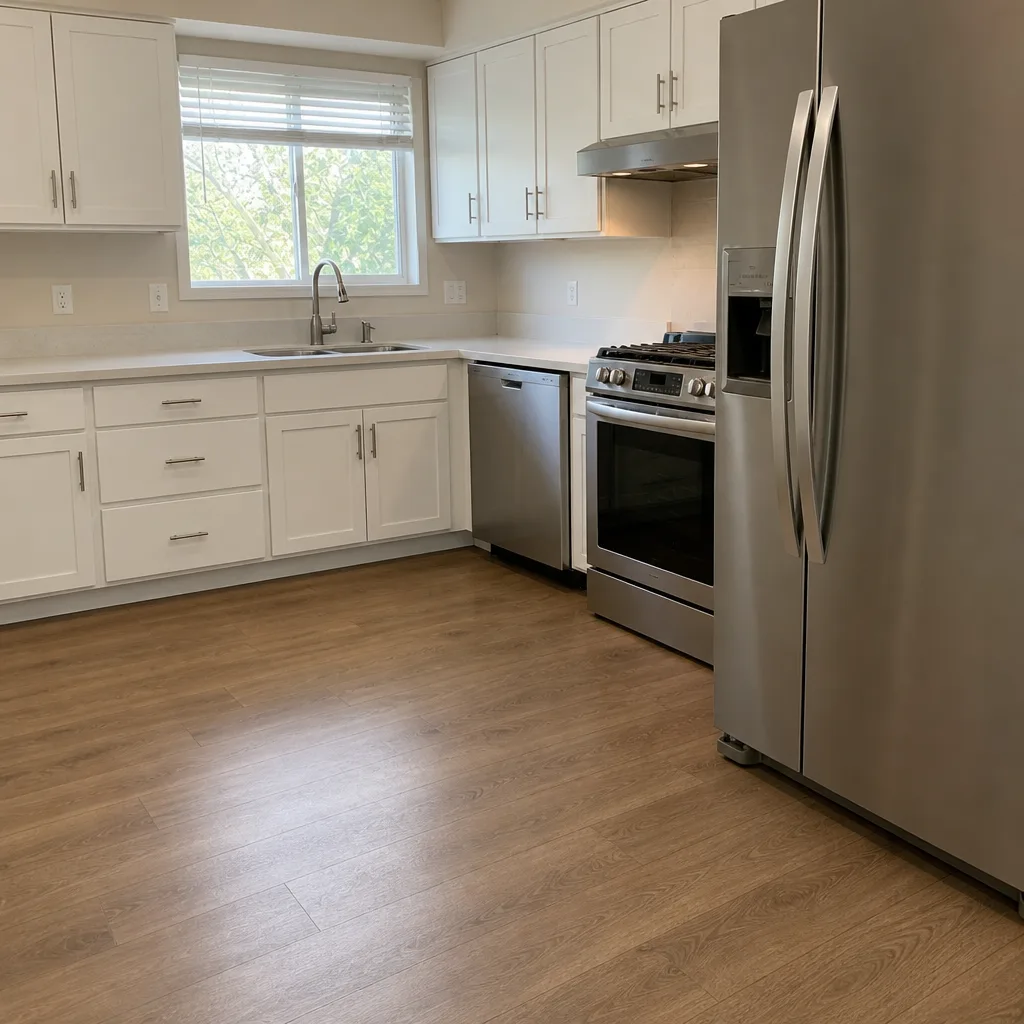 After
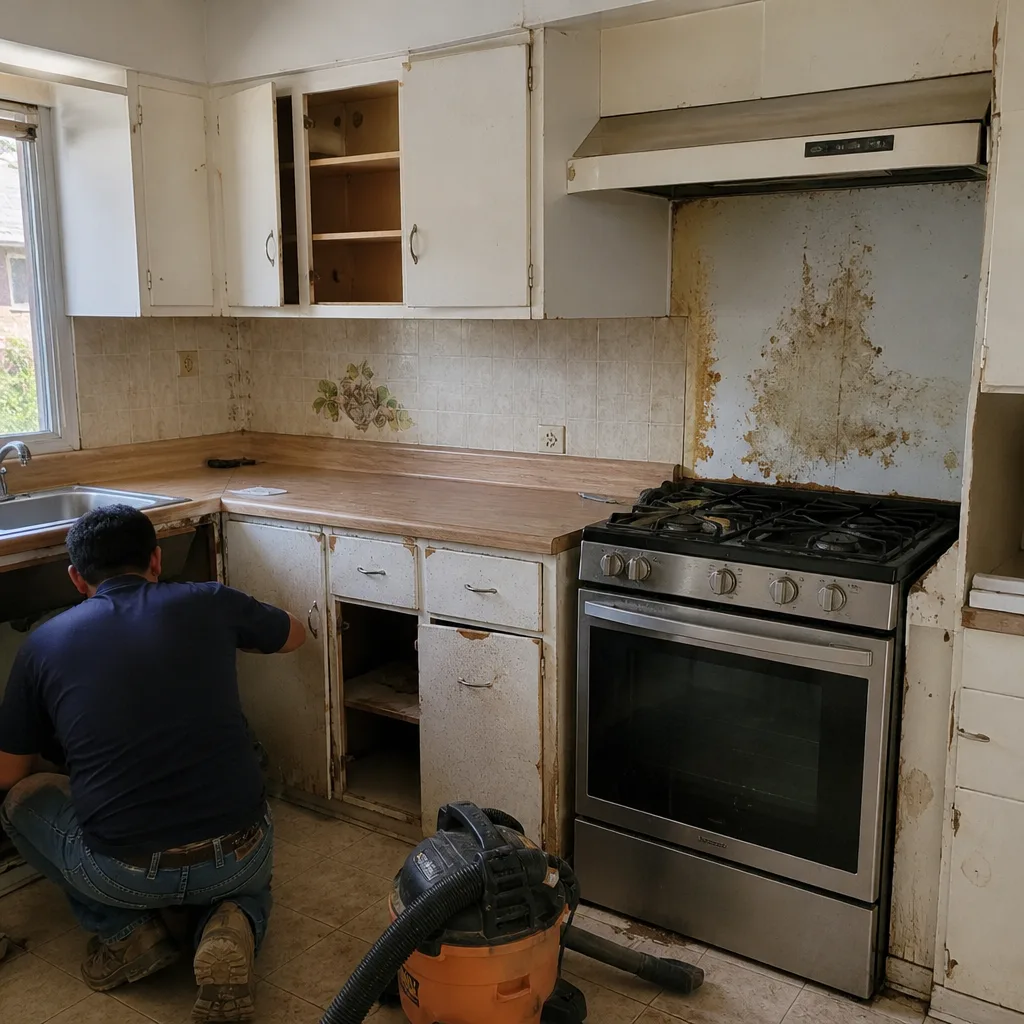 Before
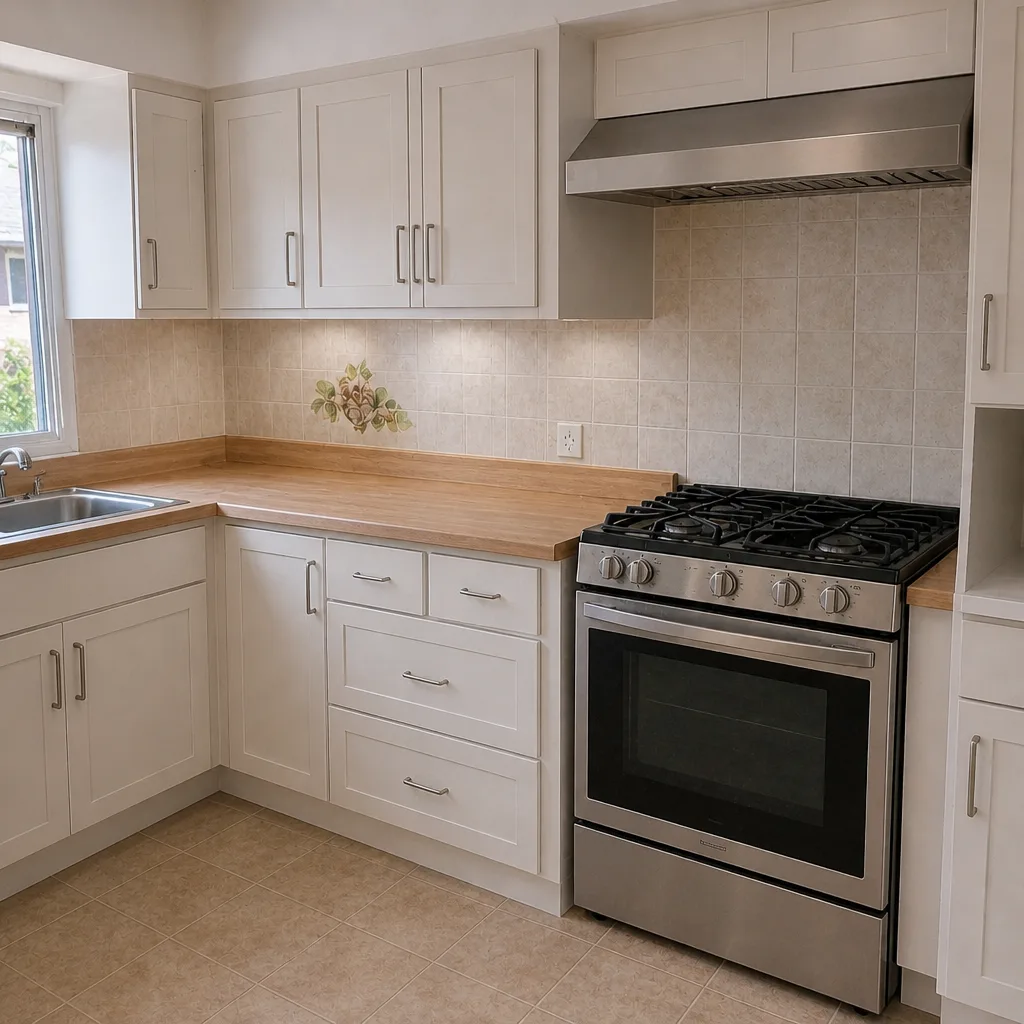 After
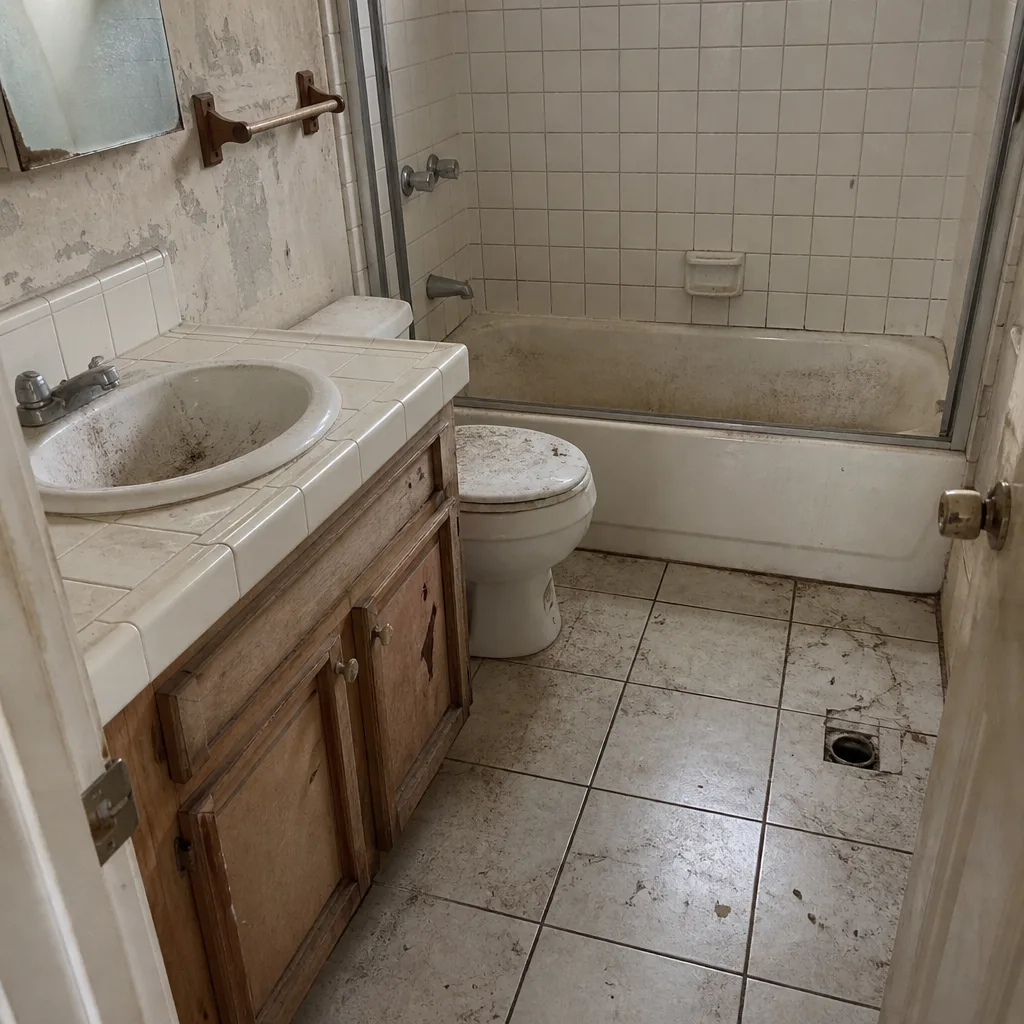 Before
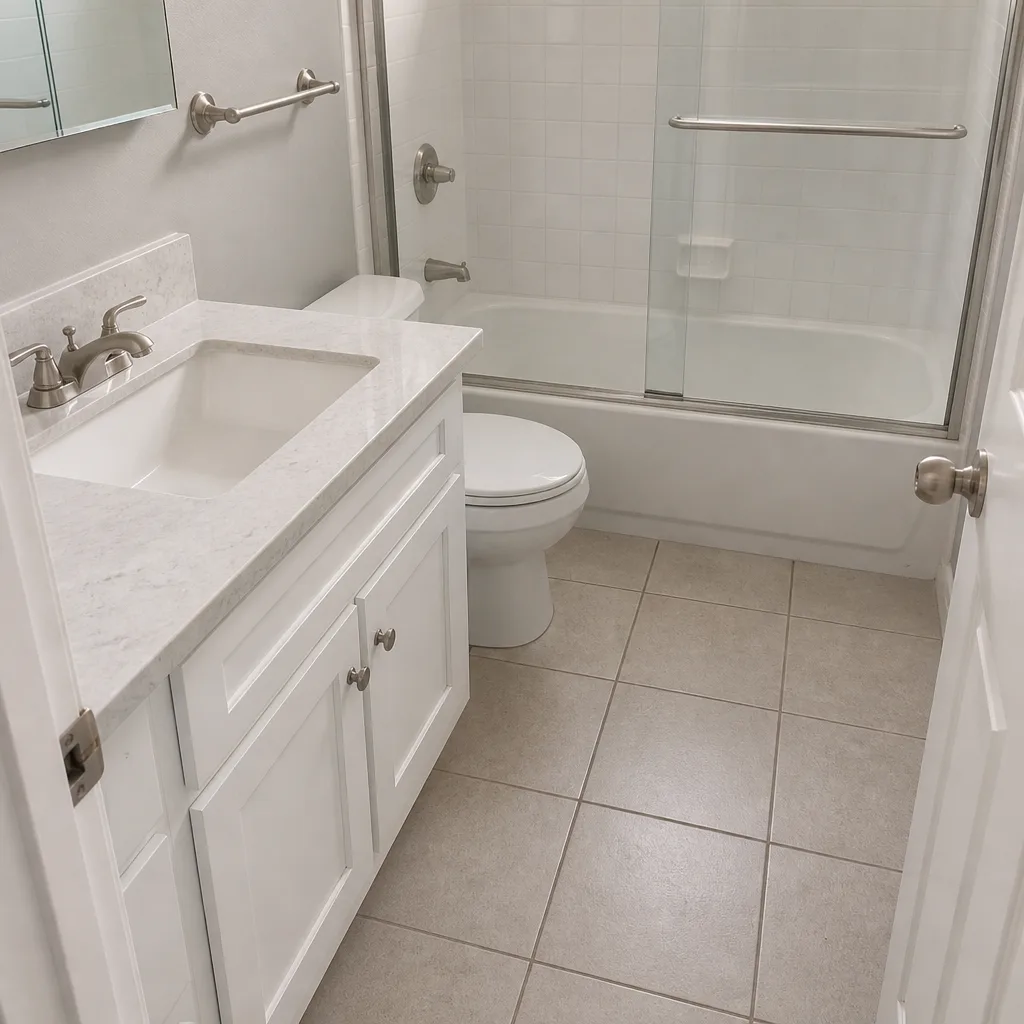 After