Last updated November 18, 2026


Free written scope consultation - allowances, timeline, and change-order rules on paper before a single trade is scheduled
Home Additions & ADU Maintenance Schedule: What to Do and When
The most expensive ADU maintenance failure we see isn’t a failed appliance. It’s water intrusion at the seam where a new addition’s roof ties into the existing house – and it’s almost always preventable with a roughly $150 annual flashing inspection. That single check appears on fewer than 20% of standard home maintenance checklists. An ADU doesn’t fail like a house. It fails at the joins: where new framing meets old rim joist, where a new meter branches off an old panel, where a mini-split condenser sits against a wall that was never designed to shed water. This guide gives Fullerton homeowners a month-by-month calendar built around those seams.
Quick Answer
An ADU and home addition need a separate maintenance calendar from the primary house because the risk lives at the connection points, not the new rooms. In Fullerton, the non-negotiables are: inspect roof-to-existing-structure flashing every fall before the rainy season, clean mini-split filters every 60 – 90 days for rental units, and descale a tankless water heater once a year. Everything else follows a predictable annual rhythm laid out below.
Styles & brands we work with
- Kitchen remodeling
- Bathroom remodeling
- Home additions & ADU
- Roofing
- Windows & doors
- Driveway & pavers
- Fence
Table of Contents
- Why an ADU Needs Its Own Maintenance Calendar
- The Transition Zone: Three Points to Check Every Fall
- The Month-by-Month ADU Maintenance Calendar
- Mini-Split and Water Heater Intervals That Actually Matter
- Managing a Separate Utility Meter and the Records to Keep
- Tasks That Void Manufacturer Warranties If Skipped
- What a Maintenance Log Should Contain
- Fullerton-Specific Maintenance Context
Why an ADU Needs Its Own Maintenance Calendar
A home addition or ADU is a hybrid structure. The new rooms sit on fresh framing, fresh sheathing, and fresh roofing – but they connect to a house that may be thirty, fifty, or seventy years old. Those two systems move differently, age differently, and shed water differently. The gap between them is where trouble starts.
We’ve seen this repeatedly across Fullerton, from the older bungalows near downtown to the newer builds pushing into the hills above Raymond Avenue. A detached ADU has its own self-contained envelope, so it behaves like a small house. An attached addition does not. Its west-facing wall shares a plane with the original house. Its roof drains onto the original roof or into the original gutters. Its roofline intersects the existing structure at a flashing detail that has no counterpart anywhere else on the property.
Standard homeowner maintenance checklists – the ones printed by insurance companies and home warranty providers – are built for a single structure. They tell you to clean gutters and change furnace filters. They don’t tell you to look at the metal flashing where a new gable meets a 1960s roof plane, because that detail doesn’t exist on a standard house. That’s the gap this guide fills.
Under Rowan Construction Group’s Fullerton home base, every addition we quote comes with a written scope that names these connection points explicitly, so the homeowner knows what to maintain before the crew ever leaves.
The Transition Zone: Three Points to Check Every Fall
Southern California’s rainy season runs roughly November through March. The weeks before it starts are the window to inspect the seam between new construction and old. Three points matter most.
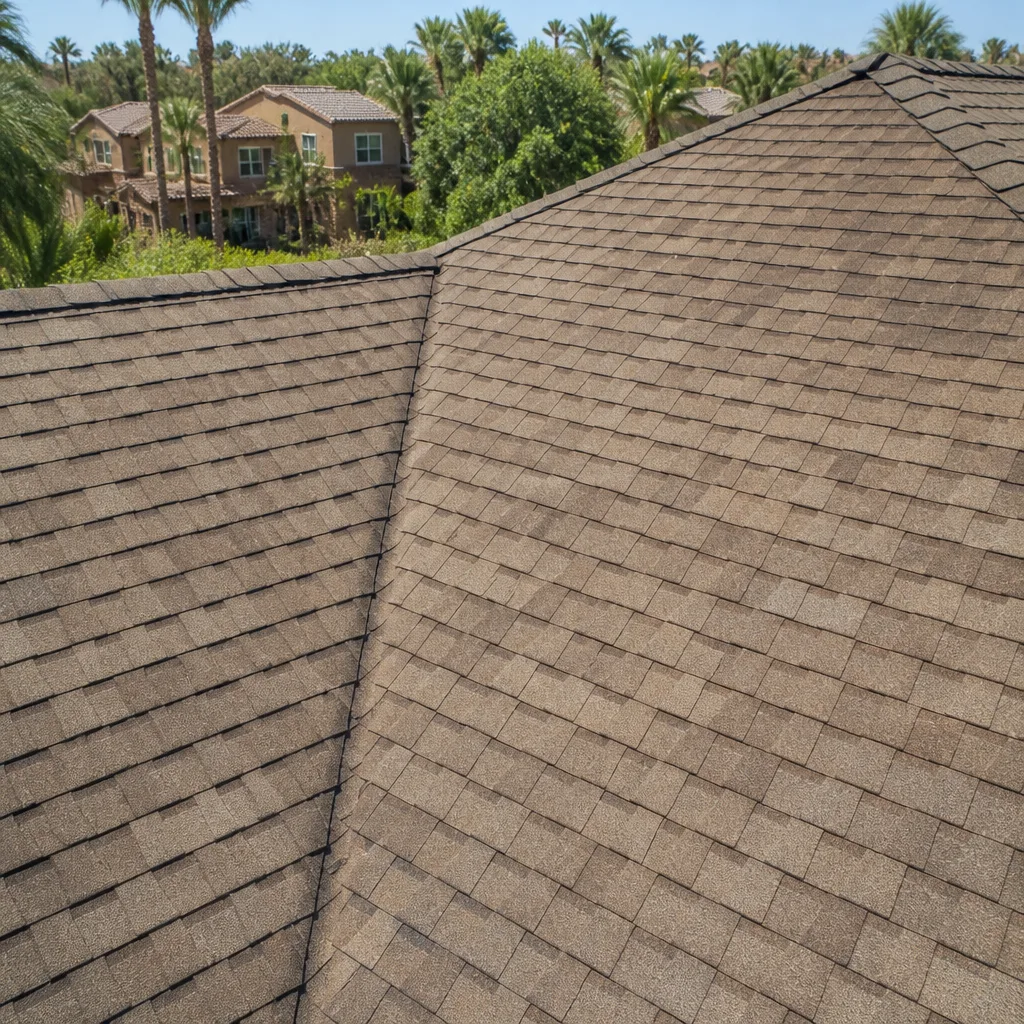
- Step flashing and counter-flashing. Where the addition’s roof plane meets the existing wall, step flashing should sit in individual L-shaped pieces woven into the shingles, with counter-flashing layered over it. Look for lifted shingle tabs, rust streaks, or gaps where the metal pulls away from the masonry or siding. Any daylight visible through the flashing is water intrusion waiting to happen.
- Caulk joints at siding and trim transitions. New siding meets old siding at a vertical butt joint. That joint is sealed with caulk, and caulk fails on a predictable schedule – typically every three to five years in Fullerton’s sun exposure. Check the joint for cracking, shrinking, or separation, and check the paint line above and below for bubbling that signals moisture behind the surface.
- The rim joist at the framing connection. The rim joist is the horizontal board that caps the floor framing – the perimeter beam the new floor structure ties into. At an addition, that’s where old and new framing meet. Probe it for softness with a screwdriver, look for staining, and check for any gap between the new ledger board and the old rim joist. A wet rim joist is a structural problem, not a cosmetic one.
This inspection takes under an hour with binoculars and a ladder kept on the ground. If any of the three points looks questionable, have a roofer or framing contractor look before the first rain. The cost of a professional look is small next to the cost of opening a wall in February to replace rotted sheathing.
The Month-by-Month ADU Maintenance Calendar
Here’s the rhythm we recommend for full-time rental ADUs and attached additions in Fullerton. Adjust the timing if the unit sits empty for parts of the year, since an unoccupied structure has its own failure modes – stale air, dried traps, pest entry.
- January – February: Post-storm check. Walk the roof line and transition zone after the heaviest rain. Look for staining on interior ceilings under the flashing detail. Confirm gutters and downspouts are moving water away from the addition’s foundation.
- March: Mini-split deep clean. Remove and wash filters, clear the condensate drain line, and check the outdoor condenser coil for debris. This is the transition from heating season to cooling season.
- April – May: Exterior inspection and touch-up. Check caulk joints, window seals, and paint. Reapply sealant at any joint that has opened. This is also the window to service irrigation and confirm it isn’t spraying the addition’s siding.
- June: Tankless water heater descale. In Fullerton’s moderately hard water, mineral scale builds in the heat exchanger over 12 months. Flush with a descaling solution per the manufacturer’s interval.
- July – August: HVAC filter clean (second cycle of the year for rental units) and check exterior condenser clearances. Inspect the addition’s attic or crawlspace for pest entry and insulation settling.
- September: Pre-rain transition zone inspection. This is the big one – the three-point check above. Book it before the first storm, not after.
- October: Gutter cleaning and downspout check. Confirm water from the addition’s roof drains away from the original foundation, not onto it.
- November – December: Interior moisture check. Look for condensation on addition windows and under-sink cabinet moisture. Confirm the unit’s smoke and carbon monoxide detectors function.
Two of these matter far more than the rest. The September transition-zone inspection and the March filter clean are the two tasks that, if skipped, produce the most expensive downstream failures. Everything else can flex by a month or two.
Mini-Split and Water Heater Intervals That Actually Matter
Ductless mini-splits are the default HVAC for ADUs because they don’t require ductwork. That makes them efficient but also easy to neglect, since there’s no duct filter to change on a furnace schedule.
Mini-split filters should be cleaned every 60 – 90 days for a rental unit. A rental ADU with a tenant running the system daily loads the filter faster than an owner-occupied unit. A clogged filter drives the compressor harder, shortens its life, and raises the electric bill – which a tenant notices and a landlord pays for in turnover. Rinse the mesh filters under running water, let them dry fully, and reinstall. Every 12 months, have a technician clean the evaporator coil and check refrigerant charge.
Tankless water heaters should be descaled once a year. Fullerton’s water runs moderately hard, and a tankless unit’s heat exchanger will scale over time with no visible warning. Descale with a flushing kit and a food-grade descaler, or book a plumber. The manufacturer’s annual descale requirement is also a warranty condition, which we cover below.
For the outdoor condenser, clear the area within two feet of the unit and rinse the coil with a garden hose on low pressure once a season. Coil fins bend easily, so avoid a pressure washer.
Managing a Separate Utility Meter and the Records to Keep
Most ADUs are submetered separately so the tenant pays their own utility bill. That’s cleaner for a tenant relationship and, if the unit is ever appraised for a refinance or sold, it documents the unit as a functioning, separately meterable dwelling. It also creates a maintenance obligation the primary house doesn’t have.
Keep a folder – physical or digital – with the following:
- Meter numbers and service account numbers for gas, electric, and water.
- The initial meter reading at the unit’s first occupancy, and an annual reading each year.
- Utility statements for the most recent 24 months.
- Any submeter installation documentation and calibration records.
Why the annual reading matters: a sudden jump in water usage in a month with no tenant change often flags a slow leak in the addition’s supply line or irrigation. Catching that early is far cheaper than catching it in a water bill and a foundation repair. And for resale, an appraiser adding an ADU’s value to the appraisal narrative uses rent and utility evidence to support the income approach – a folder with clean records supports that number.
For homeowners who are still planning an addition rather than maintaining one, our Home Additions & ADU service page covers what the build itself involves.
Tasks That Void Manufacturer Warranties If Skipped
Almost every material on an addition or ADU carries a limited warranty – and almost every one of those warranties has a maintenance condition. Skip the maintenance and the warranty is technically void, which means a failure that would have been covered becomes a full-price repair. Three categories matter most.
- Roofing underlayment inspection. Manufacturers like GAF and Owens Corning require periodic inspection of the roof assembly and documentation of any repairs. A roof that shows no evidence of maintenance may still be denied on a claim for premature underlayment failure. Keep a record of annual roof inspections – even a signed one-page checklist from your roofer counts.
- Window sealant reapplication. Window manufacturers warrant the glazing seal and, in some lines, the frame sealant – but only if the installer or homeowner maintains the exterior perimeter sealant on the manufacturer’s schedule, typically annual inspection and reapplication as needed. A failed seal that lets water behind the flange is usually a warranty denial if no sealant maintenance is documented.
- Composite deck fastener checks. Composite decking brands warrant the boards against fastener-related surface damage only when fasteners are checked and re-tightened on schedule. Loose fasteners cause panel movement and surface cracking that the warranty excludes.
We like to name the specific brands on the written quote for exactly this reason. When the homeowner knows the deck boards are a specific composite line from a vetted catalogue, they also know which fastener schedule to follow. Our Driveway & Pavers service and Fence Installation service both carry the same brand-naming discipline for exterior hardscape – a Belgard or ActiveYards install comes with the specific product warranty paperwork, not a generic “warranty” line on an invoice.
What a Maintenance Log Should Contain
A maintenance log is a running record of what was inspected, when, by whom, and what was found. When done well, it does more than jog your memory – it becomes evidence for an appraisal, a warranty claim, or a sale.
For each entry, record:
- Date of the inspection or service.
- System or component inspected – e.g., “roof flashing at addition transition,” “tankless water heater descale,” “mini-split filter clean.”
- Who performed the work (contractor name, or “self-inspected”).
- Condition found, in plain terms – “flashing intact, caulk joint cracked at south corner” – not just “checked.”
- Action taken and date completed.
- Photographs. A phone photo of the flashing detail before and after any repair is worth more than a paragraph in the log.
- Attach the invoice or service receipt for anything paid.
Why the log carries weight in an appraisal: an appraiser writing an addition’s value into an appraisal report typically uses the income approach for a rental ADU and the cost minus depreciation approach for an addition. In both cases, documented maintenance supports the argument that the unit is in good condition – which reduces the depreciation adjustment and supports a higher appraised value. In a refinance, that can move the loan-to-value ratio meaningfully. A log kept for two or three years does the work quietly in the background.
Under the Rowan standard of documentation, every visit produces a photo record as a standard deliverable rather than an upgrade. That’s the same discipline this log asks of you: the record of what was found matters as much as the repair.
Fullerton-Specific Maintenance Context
Fullerton’s climate shapes the calendar in ways a generic national checklist misses. The city runs warmer and drier than the coastal cities to the west, with the inland heat pushing into the mid-90s in August and September. That matters for mini-split usage and for caulk life, which runs shorter on west- and south-facing walls because of the afternoon sun load.
The rainy season, concentrated November through March, determines the transition-zone inspection window. That’s why we recommend the check in September – early enough to schedule any repair before the first storm, and late enough that summer heat hasn’t already dried and cracked the caulk joints you’re about to inspect.
Fullerton’s older housing stock matters too. A large share of the city’s homes were built between the 1920s and the 1970s, which means additions built in the past decade often tie into framing that has shifted slightly over the decades. That small differential movement is exactly what puts stress on flashing and caulk joints at the transition zone. It’s also why we recommend probing the rim joist during the September check rather than only looking at it – old framing shifts, and the joint needs to be tested, not just observed.
For homeowners starting a kitchen or bathroom project that will connect to existing utilities, the same discipline applies: the connection is where the risk lives. The same transition logic we use for addition maintenance shows up on every written quote in our Driveway & Pavers page as well – the seam where new pavers meet old concrete is a real engineering point, not an afterthought.
Common Mistakes to Avoid
- Treating the addition like a separate house. A detached ADU can be maintained mostly on its own schedule. An attached addition cannot, because its failure modes live at the connection points. Skipping the transition-zone check is the most common error we see in Fullerton.
- Cleaning mini-split filters “when they look dirty.” A filter that looks acceptable from the grill can be half clogged. Renters rarely flag it until the unit struggles in summer, which is the wrong time to discover it.
- Skipping the annual tankless descale “because the water looks fine.” Scale in a heat exchanger is invisible until performance drops. By then, the descale is a service call rather than a maintenance item – and the warranty may be conditioned on documented annual service.
- Letting a submetered bill go unread for months. A rising water bill in a low-use month is often the first sign of a slow leak under the addition slab. Monthly reading catches it early.
- Caulking over failed sealant without removing it. New caulk won’t adhere to old, and the underlying moisture problem stays trapped. Remove the old bead fully before reapplying.
- No written log of what was inspected. In a refinance or appraisal, undocumented maintenance is invisible. A few emails and photos a year is the difference between a defensible condition narrative and an appraisal adjustment that discounts the addition.
- Ignoring the roof-to-addition flashing because “the roofer did it right.” Even a correctly installed flashing detail needs an annual look. Seams fail; that’s the reason they’re inspected, not a sign the original work was wrong.
See the difference
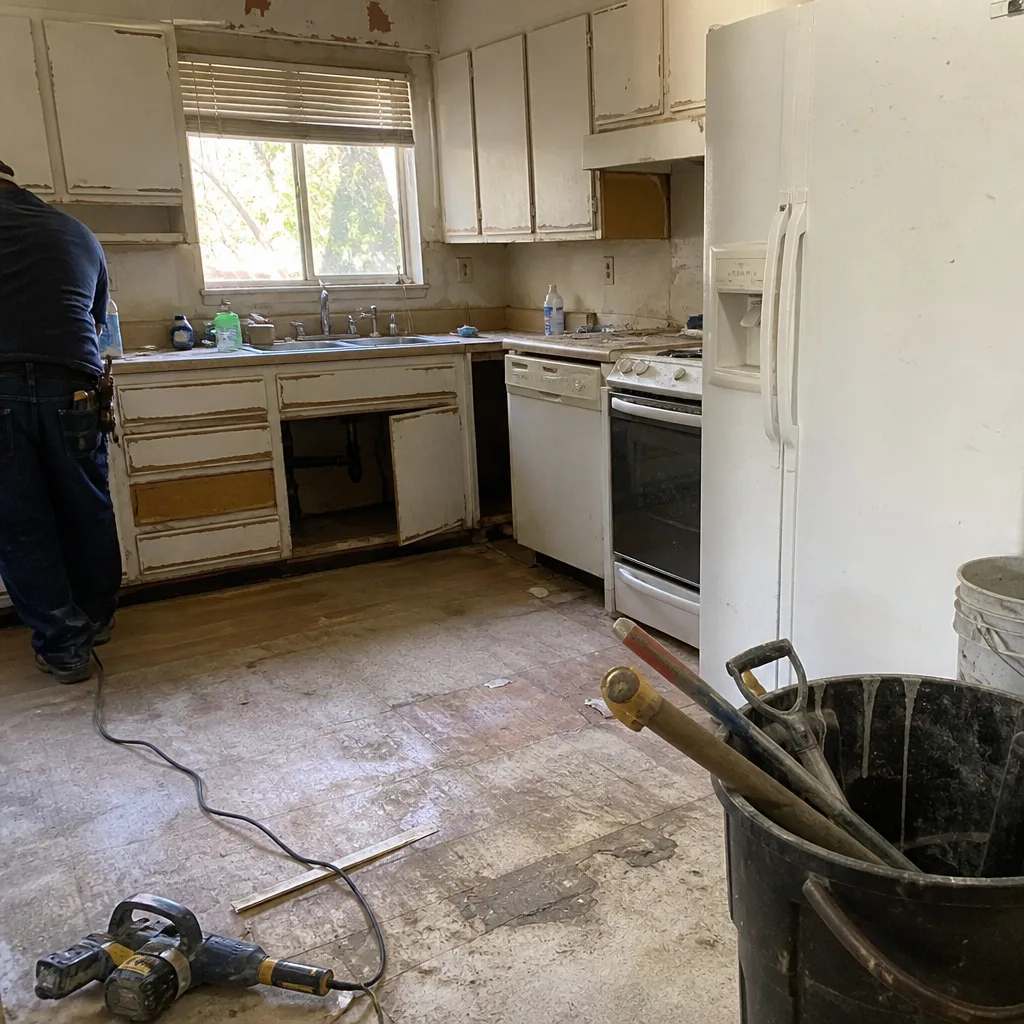 Before
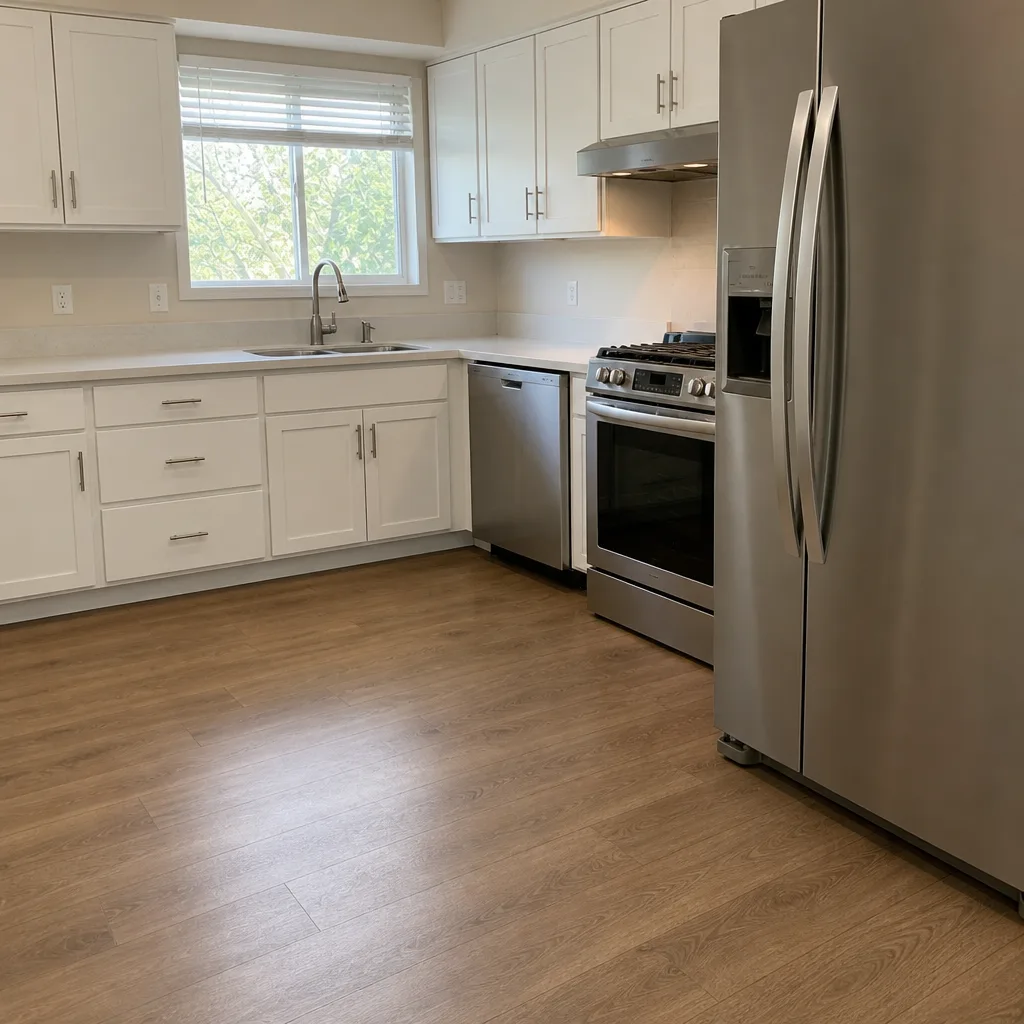 After
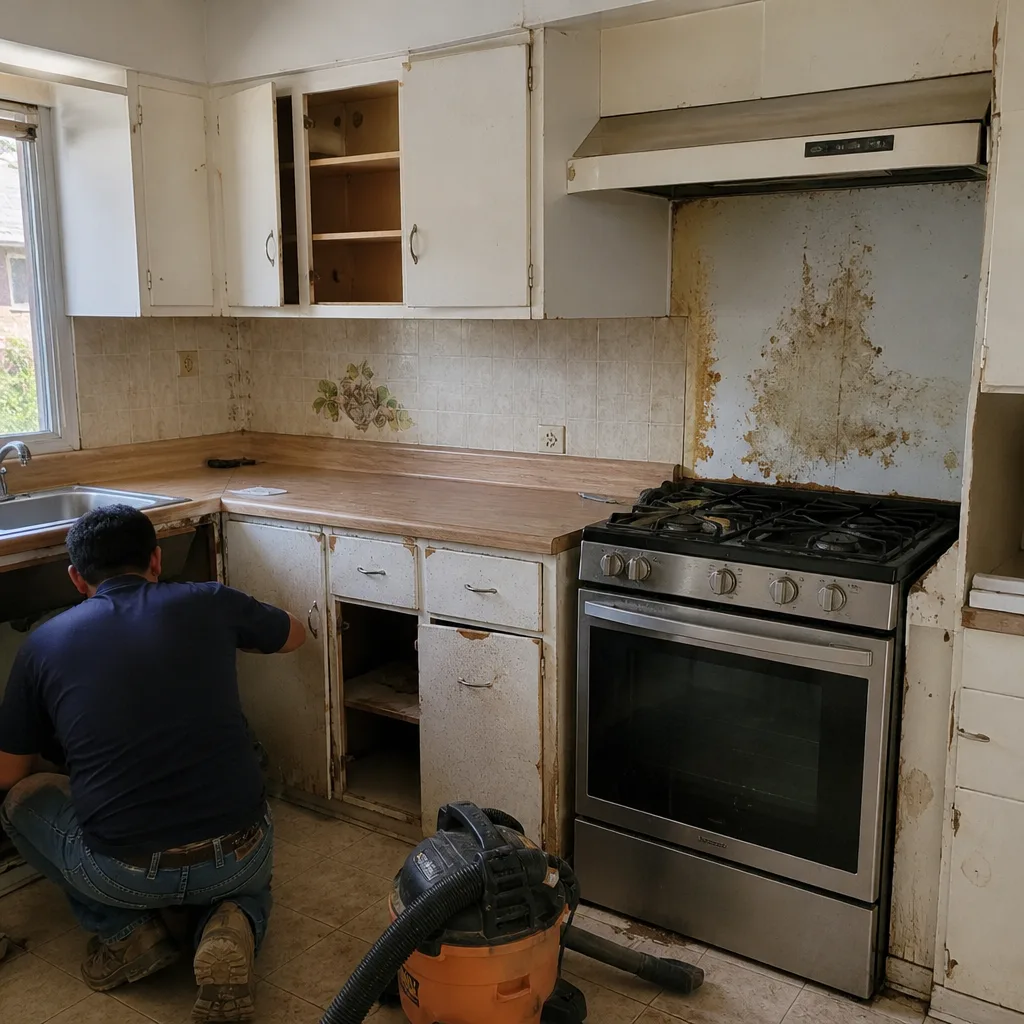 Before
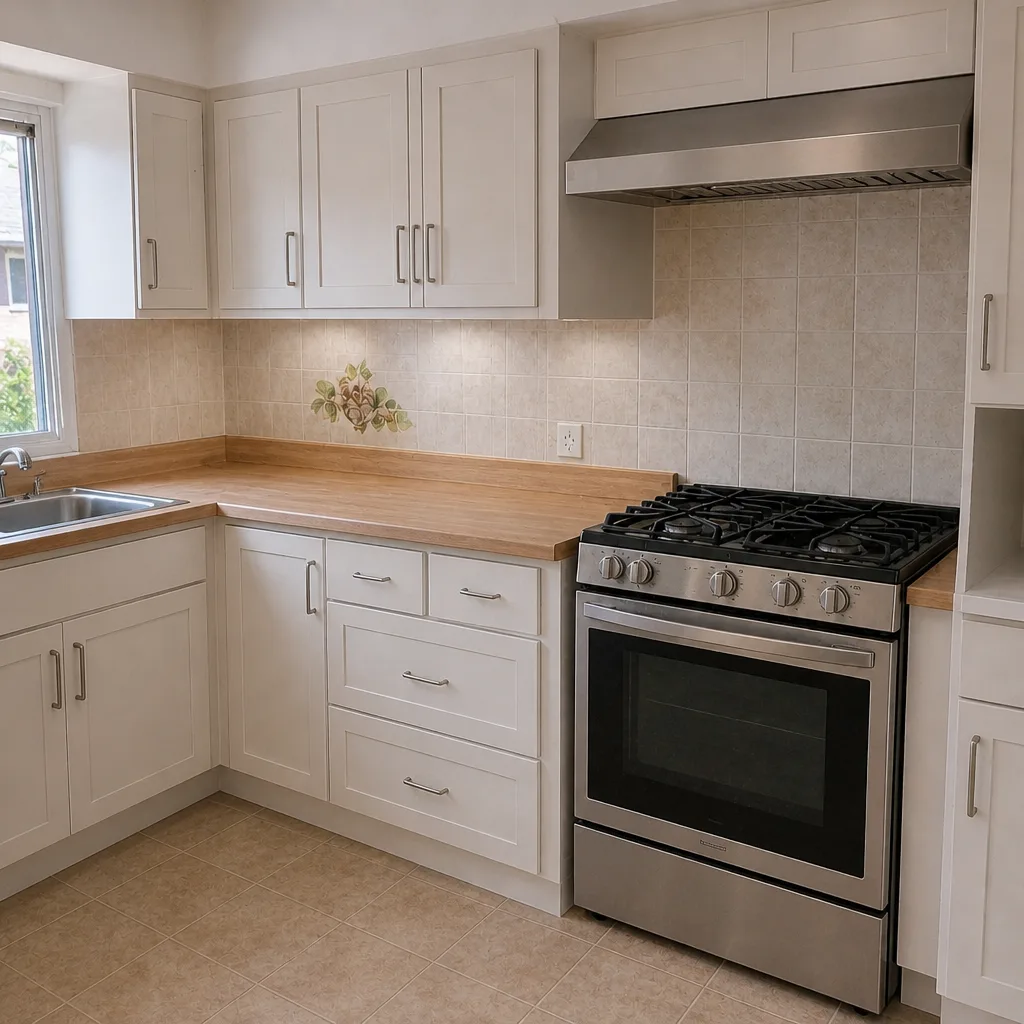 After
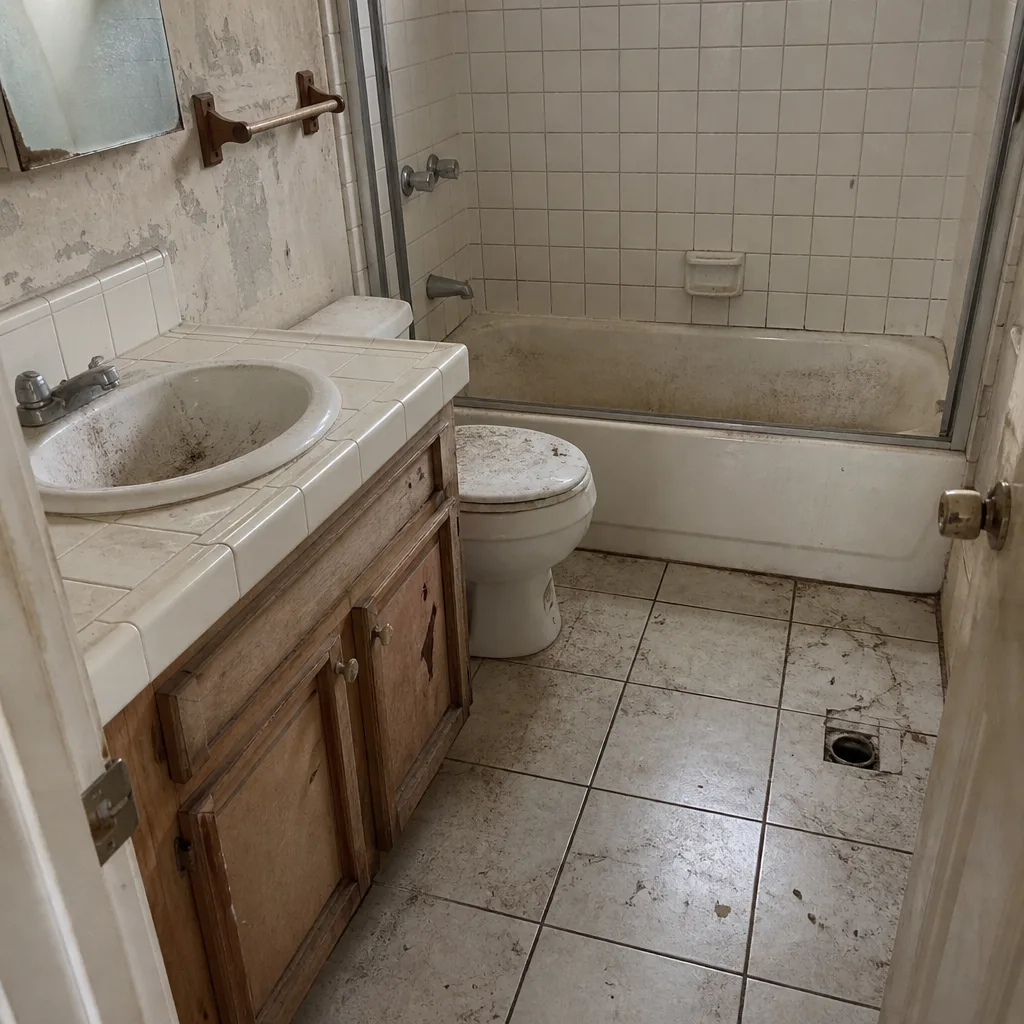 Before
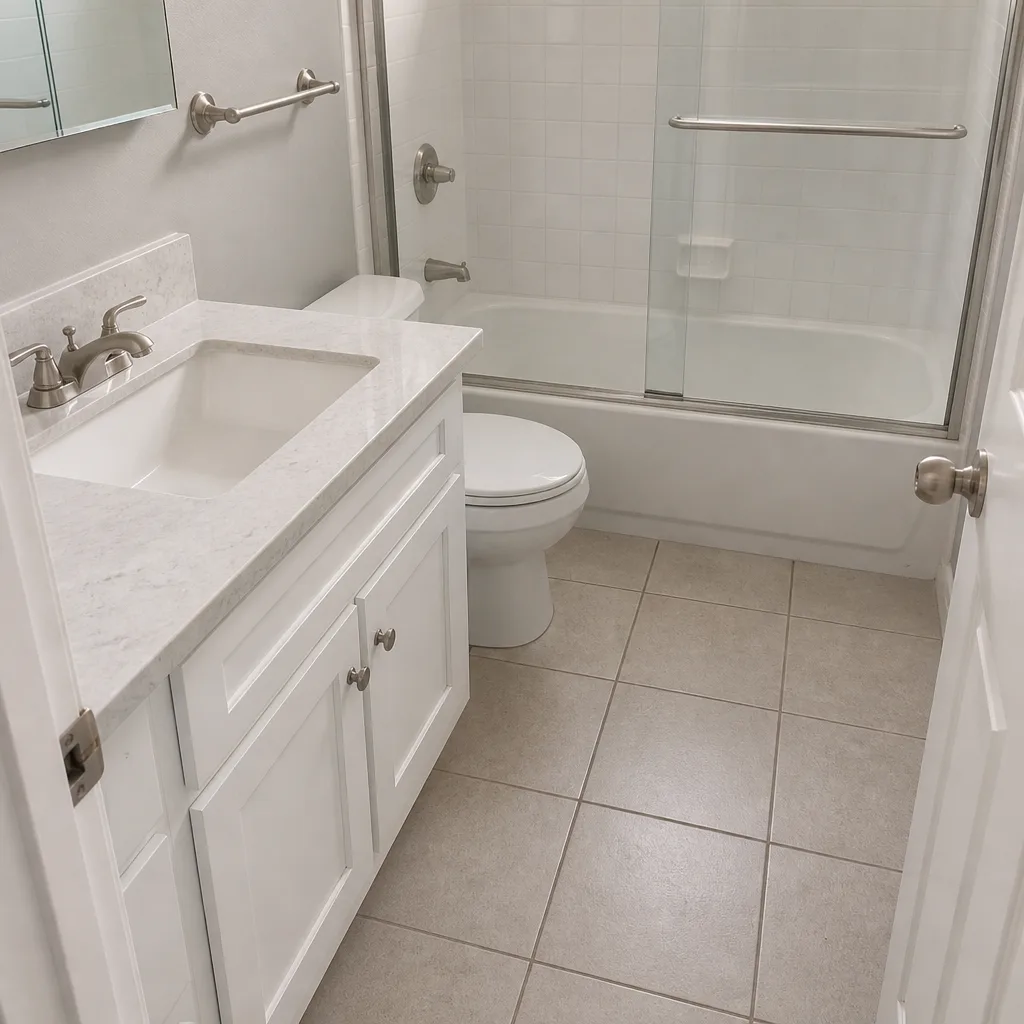 After
When to Call a Professional
Some maintenance is homeowner work – filter cleaning, gutters, the visual inspection walk. But three scenarios in a Fullerton ADU call for a professional promptly. First, any sign of water staining on the interior ceiling directly beneath the addition’s transition zone – that signals active intrusion at the flashing, and a roofer needs to open the detail before the next storm. Second, any softness or staining found when probing the rim joist at the framing connection; that’s a structural question, not a caulk question. Third, any mini-split or tankless water heater that has gone more than 18 months without service – the accumulated scale and debris can cause compressor or heat exchanger damage that’s more expensive to repair than to prevent. Rowan Construction Group Fullerton offers free estimates in Fullerton for any addition or ADU maintenance or repair work – call (844) 320-7095. Every visit includes a documented photo record, and every quote is a written flat price before any work starts.
Frequently Asked Questions

Once a year, in the weeks before the rainy season – September in Fullerton. That’s early enough to schedule any repair before the first storm and late enough that summer heat hasn’t already dried out the caulk joints you’re inspecting. If the joint looks fine, the inspection costs almost nothing. If it doesn’t, you’ve saved a wall. Call (844) 320-7095 for a free estimate if you’d rather have a trained eye look.
Every 60 – 90 days. A rental unit running the system daily loads the filter faster than an owner-occupied home, and a clogged filter drives the compressor harder and raises the electric bill. Rinse the mesh filters under running water, dry fully, and reinstall. Once a year, have a technician clean the evaporator coil and check refrigerant charge. If the unit has gone more than a year without a coil clean, call (844) 320-7095 for a free estimate on a service visit.
A focused roof-flashing and transition-zone inspection typically runs $150 – $300, and a combined annual HVAC plus tankless descale service runs $200 – $400 depending on system size. A full calendar-managed maintenance visit covering both, with a written report and photo record, generally lands in the $350 – $650 range in the Fullerton market. Call (844) 320-7095 for an exact written quote – estimates are free.
Filter cleaning, gutter clearing, and the visual inspection walk are homeowner work. Flashing repair, tankless descaling, and anything involving the framing connection at the addition’s rim joist are not. The rim joist is a structural element – a wet one is a structural problem. Call (844) 320-7095 for a free estimate on any of these, and we’ll tell you whether it’s a real concern or just a maintenance item.
Date, system inspected, condition found in plain terms, action taken, photographs, and receipts for paid work. An appraiser writing the addition into the appraisal narrative – often via the income approach for a rental ADU – uses documented maintenance to support the unit’s condition. Well-documented maintenance reduces the depreciation adjustment and supports a higher appraised value. Call (844) 320-7095 for a free estimate and a written scope that names the systems to track.
Yes, on most branded materials. Roofing underlayment warranties from GAF and Owens Corning, window frame sealant warranties, and composite deck fastener warranties all carry maintenance conditions. Documented annual inspection and service keeps those warranties intact. Skipping the maintenance doesn’t stop the material from failing – it just converts a covered failure into a full-price repair. Call (844) 320-7095 for a free estimate on setting up an annual documented inspection.
The Bottom Line
The system that fails in a Fullerton ADU is almost never the new one. It’s the joint – the flashing where new roof meets old, the caulk line where new siding meets existing, the rim joist where new framing ties into old. A working maintenance calendar for an ADU has to be built around those seams, plus a modest schedule for the systems that are entirely new (mini-split at 60 – 90 days, tankless descale yearly). The calendar itself is simple. The two things that carry the most weight are the September transition-zone inspection and the quarterly mini-split filter clean. Then log everything you do – because documentation is what turns maintenance into appraised value.
Call (844) 320-7095 for a free estimate on any addition or ADU maintenance work in Fullerton. Every visit comes with a documented photo record, and the written price is in your hands before anyone picks up a tool.
Written by the team at Rowan Construction Group Fullerton.