Last updated November 18, 2026



Free written scope consultation - allowances, timeline, and change-order rules on paper before a single trade is scheduled
Windows & Doors Warning Signs Every Homeowner Should Know
A 1/16-inch gap between a door bottom and its threshold is barely visible in good light. In air-infiltration terms, it’s the equivalent of a 2-inch-diameter hole punched through your wall. You can find that gap with a $3 incense stick, not a $200 blower door test. This guide gives you the measurable thresholds we use on Fullerton homes to sort a real replacement candidate from a weekend adjustment: glass temperature deltas, deadbolt throw, threshold gaps, probe-test results.
Quick Answer
Windows and doors usually need replacement when you find one of four measurable failures: condensation between panes that never clears, visible daylight or a draft you can feel at a closed door, frame rot that a screwdriver probe sinks into, or an interior glass surface that runs 10°F or more colder than the wall beside it. Most other warning signs – a squeaking hinge, a stiff lock, a single drafty day – are repair-level issues, not replacement signals. The cost of waiting compounds in a predictable order: comfort, then energy bills, then security, then framing damage.
Styles & brands we work with
- Kitchen remodeling
- Bathroom remodeling
- Home additions & ADU
- Roofing
- Windows & doors
- Driveway & pavers
- Fence
Table of Contents
- Measurable Thresholds: Repair vs. Replace
- Energy Warning Signs You Can Test Yourself
- Security Warning Signs with Specific Criteria
- Structural Warning Signs That Point to Framing
- Why Fullerton Homes Fail Differently
- How to Document Warning Signs Before You Call
- Common Mistakes to Avoid
- When to Call a Professional
Measurable Thresholds: Repair vs. Replace
The single most useful thing you can do for yourself is separate a repair from a replacement with a number, not a feeling. Here are the thresholds we measure on every window and door estimate.
Condensation between the panes
If you see fog, haze, or water droplets inside the sealed glass unit – between the layers, not on the room side – the insulated glass (IG) unit has failed. The seal that held the argon or krypton gas and the desiccant has broken. This is a failed IG unit, and it is repairable on most wood and vinyl sashes: a glass shop resets a new sealed unit into the existing frame. Replacement of the whole window is the right call only when the frame itself is also failing (rot, warp, or a cracked sash).
If the condensation is on the room-side surface, that is a humidity-and-temperature story, not a glass failure. Note it, but it doesn’t by itself justify a new window.
Visible daylight at a door perimeter
Stand inside on a sunny day with the door closed. Daylight at the top or sides points to weatherstripping or door alignment. Daylight at the bottom is almost always a threshold or sweep adjustment. Most of these are repairs – typically a few hours of work – and they’re the highest-return fix in the house because weatherstripping and a door sweep cost little and the air-sealing effect is immediate. Replacement only makes sense when the door slab itself is warped, the threshold has rotted into the framing, or the strike and deadbolt no longer align after adjustment.
Frame rot and the probe test
Take a small screwdriver and press (don’t hammer) into the frame at the lower corners, the sill, and the bottom 6 inches of the jamb on the exterior side. Soft, spongy resistance means rot. Rot in a window or door frame is a replacement signal – full stop – because the hidden extent of the damage is unknown until the unit comes out and the surrounding framing is opened. A frame that probes hard and dry is a repair candidate even if it looks tired.
Energy Warning Signs You Can Test Yourself
Energy complaints are the reason most homeowners start shopping, and most of the early signals are measurable in your own house without a diagnostic service.
The touch test (glass vs. wall)
On a cold morning, put the back of your hand on the glass and then on the interior wall 6 inches from the frame. A noticeable difference tells you the glass is transferring heat faster than the wall. When we measure this with an infrared thermometer on older single-pane windows in Fullerton, the glass surface often runs 10°F to 20°F colder than the surrounding drywall on a 45°F morning. That delta is the number that matters. Dual-pane low-E glass should close it to within a few degrees.
A utility bill that climbs with no behavior change
Compare the same month across two years, not month to month. A 15% or greater increase with no new appliance, no new occupant, and no rate change is a legitimate red flag. But check the rate first – Southern California Edison rate adjustments alone can produce that swing. The bill is a clue, not a diagnosis; confirm it with the touch test and the incense test.
Frost on interior glass
Frost forming on the inside of your glass in winter is a real signal, but understand what it says: the interior surface is below freezing, which means the glass has very little insulating value and the indoor humidity is high. In Fullerton this happens most on north-facing single-pane windows during our occasional cold snaps. Fix the humidity side (bath and kitchen exhaust) and address the glass side with better glazing.
The incense test
Light an incense stick, hold it near a closed door or window on a windy day, and watch the smoke. If it pulls toward the gap or flutters away from it, you’ve found air infiltration the same way a blower door would reveal it. This is the test that finds a 1/16-inch threshold gap that the eye can’t see.
Security Warning Signs with Specific Criteria
Door security is a measurement question. Here are the numbers we check, and what they mean.
Deadbolt throw
Open the door, extend the deadbolt by hand, and measure how far the bolt protrudes from the face of the door edge. A properly functioning deadbolt has a throw of at least 1 inch. Less than that, and a determined kick can pop the bolt out of the strike. On older hardware, a short throw often means a worn bolt, and it’s a hardware replacement – not a door replacement.
Strike box depth
Look at the strike plate on the frame. The metal box (or the pocket behind the plate if there’s no box) needs at least 3 inches of solid material behind it so the bolt has something to lock into. Shallow strike pockets are why doors pop open on impact even with a “locked” deadbolt. Reinforcing the strike is a security upgrade we install often; the door itself usually stays.
The sliding-door lift-off test
For a sliding patio door, with the door closed and latched, grip the frame and try to lift it up out of the track. If it lifts more than about 1/8 inch, it can be worked off the track with a pry tool and no key. That’s a lock or track-adjustment repair, not a replacement. A slider that also has failing rollers or a soft sill (probe it) is a different conversation.
More security checks
- Doors with glass within 12 inches of the lock: verify there’s a double-cylinder deadbolt or a shatter-resistant film, because glass close to the lock gives a burglar a reach-in.
- Hollow-core exterior doors: not a security door. Interior doors should be hollow; the exterior front and back doors should be solid core or insulated.
- Hinges on the outside of the door: pins can be pulled. Confirm a security pin or non-removable hinge.
Structural Warning Signs That Point to Framing
Some window and door problems are not about the window. They’re the earliest visible symptom of a building problem, and this is where waiting gets expensive.
Racking – diagonally uneven door corner gaps
Close a door and look at the gap at the top. If one upper corner touches the frame while the opposite lower corner has a gap, the opening is out of square. Compare the two diagonals of the frame (top-left to bottom-right vs. the reverse). A difference of 3/8 inch or more means the frame is out of square, and usually that means the structure around it moved – soil, foundation, or framing.
Separation from stucco
Fullerton has a lot of stucco – and stucco cracks along the perimeter of a window as the frame moves. A hairline crack is normal. A crack wider than about 1/16 inch, especially at the corners of the window (the classic diagonal “stair-step” or “V” crack), is a signal to look at foundation and framing. We’ve seen this pattern in the older tracts around the Fullerton downtown core, and it’s why we photograph the full surround before recommending a window replacement – if the opening is moving, a new window won’t fix it.
Staining on interior drywall
Brown rings or water stains on the drywall beside or below a window or door point to water entry at the exterior. The source can be flashing, caulk failure, or a leaking roof detail, and it’s rarely just one of those. Water staining at a window corner is a “look at this before anything else” item, not a cosmetic touch-up.
The sequence to expect (and why it’s worth acting)
- Comfort fails first. Drafts, cool glass, rooms that don’t hold temperature.
- Energy bills climb. Typically a 15%+ year-over-year bump you can’t pin on anything else.
- Security weakens. Worn bolts, worn rollers, loosened strikes.
- Water gets in. Rot begins at the sill and jamb bottoms, hidden until it’s opened.
- Framing joins in. Out-of-square openings and stucco separation appear.
Each stage makes the next more expensive. Replacing a failing unit at stage 1 or 2 is the smallest bill on the list.
Why Fullerton Homes Fail Differently
Fullerton sits in a microclimate that’s hard on windows and doors in ways the national checklists miss. The January – February wet season pushes north- and west-facing sills past the point where standard caulk and weep holes can keep up. The July – September dry heat bakes and hardens the sealants and glazing gaskets, which then shrink and crack. The 2023-24 wet year made this concrete: we saw a run of failed glass units and rotted sills on homes from downtown Fullerton out toward the older tracts near CSUF – most of them failures that a visual inspection years earlier would have caught.
The second Fullerton-specific factor is vintage. Many homes in the older neighborhoods were built when single-pane aluminum windows and builder-grade hollow-core exterior doors were standard. Those products are doing their honest best, but they’re at the point where condensation, drafts, and a security check are all telling the same story at once. In west Fullerton and the neighborhoods that grew up around the university, we also see a lot of sliders and picture windows where the glass unit failed long before the frame did – a repairable condition a lot of homeowners end up replacing entirely because no one told them the difference.
The same southland sun does a job on door slabs: fiberglass and vinyl exterior doors that see afternoon sun will warp and cup at the top, and a warp of 1/8 inch or more at the top rail is a replacement signal, because a slab can’t be straightened back. If you’re already planning a bigger exterior change, our Home Additions & ADU in Newport Beach team handles the door and window package inside those larger builds, and the same measuring discipline applies.
How to Document Warning Signs Before You Call
This is the step that quietly saves the most money. An estimator who arrives with clear measurements and photos can quote accurately on the first visit. One who arrives at an unknown condition has to price defensively, and that shows up as allowances and line-item fudge.
What to photograph
- The whole unit from inside and the whole unit from outside – frame the entire opening in the shot.
- Any failed condensation: close-up with the room lights off so the interior fog reads clearly.
- Visible daylight at a door perimeter, taken from inside on a sunny day.
- Staining or stucco cracks: a wide shot including the window and 2 feet of the wall around it, then a close-up with a coin or a ruler against the crack for scale.
- The exterior sill and bottom jamb on the wet-side of the house, where rot begins.
What to measure
- Deadbolt throw, in inches, from the door edge at extension.
- Strike pocket depth, in inches.
- Interior glass surface temp vs. wall temp 6 inches away (infrared thermometer, cold morning).
- Door-to-jamb gap at top and bottom, each side, in fractions.
- Threshold gap at the door bottom, in fractions of an inch – the 1/16-inch number from the hook is the one worth recording.
Keep the entire record on your phone. When you get a written price, compare it line by line against your own notes so you can see whether the estimate is addressing what you found or pricing to a generic template.
Common Mistakes to Avoid
- Replacing a window when only the IG unit failed. If the frame checks hard and square, a failed sealed unit is often a repair. Replacing a sound frame because a glass unit fogged costs multiples of the necessary fix.
- Treating surface condensation as a glass failure. Room-side water is a humidity and air-sealing issue. Fix exhaust and weatherstripping first, then re-assess.
- Ignoring a 1-inch deadbolt throw because the door “feels locked.” Security is measured, not felt. A bolt with a short throw may pop open on a hard kick even when the key turned.
- Caulking over a stucco crack that’s a movement signal. In Fullerton, a crack wider than 1/16 inch with a stair-step or “V” shape at a window corner may be foundation or framing related. Caulk hides the evidence and delays the real fix.
- Skipping the probe test because the frame “looks fine.” Rot hides behind paint at the sill and lower jamb. A screwdriver tells you more in ten seconds than years of paint did.
- Buying a new front door when the strike and hinges are the problem. Reinforce the strike box to 3 inches and confirm the deadbolt throw before assuming the slab is the issue.
- Budgeting a window replacement into a paint-and-trim job without checking the opening first. If the frame is out of square, a new window may not seat properly. Measure the diagonals before ordering.
When to Call a Professional
Call a professional when frame rot shows up in a probe test, when a sealed window unit fogs and stays fogged, when a deadbolt throw is under 1 inch, when a sliding door lifts more than 1/8 inch in the track, when you see daylight at a closed door, or when interior drywall has water staining around a window or door. Also call when you measure out-of-square openings of 3/8 inch or more, or a stucco crack wider than 1/16 inch at a window corner – those usually point past the window to the structure. If you’re already carrying a written estimate, our Free Second Opinion looks at a competitor’s quote line by line at no charge.
Under The Haven Standard, we deliver a written price before any work starts, and every visit includes a documented photo record as a standard deliverable, not an upgrade. Rowan Construction Group Fullerton offers free estimates in Fullerton – call (844) 320-7095.
See the difference
 Before
 After
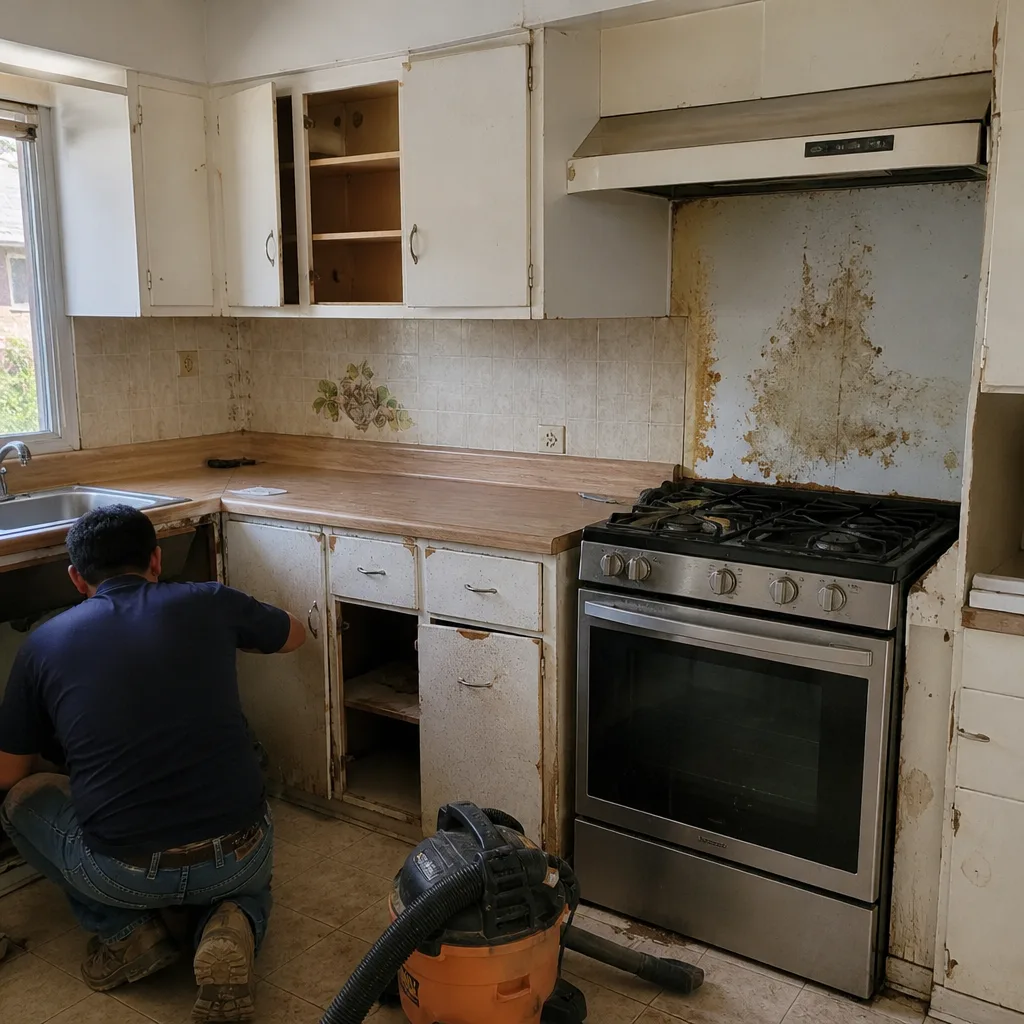 Before
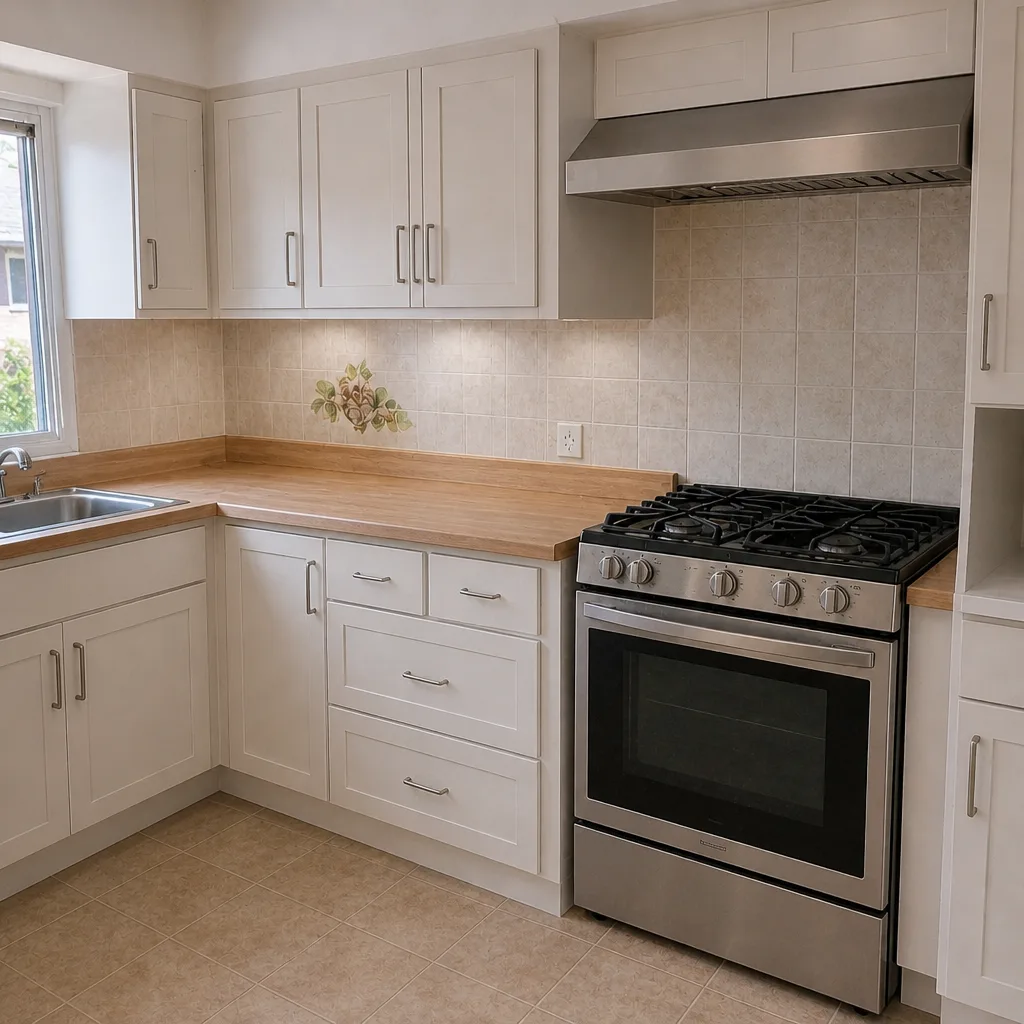 After
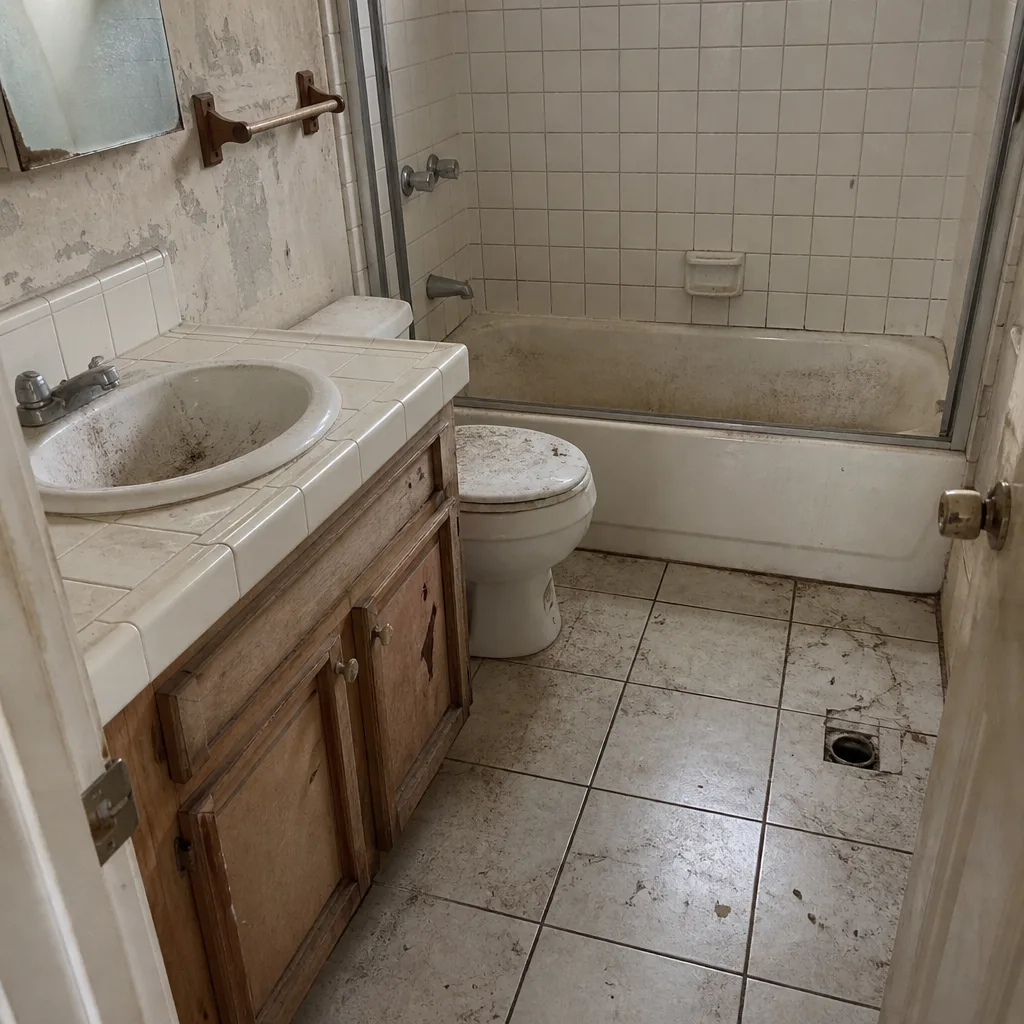 Before
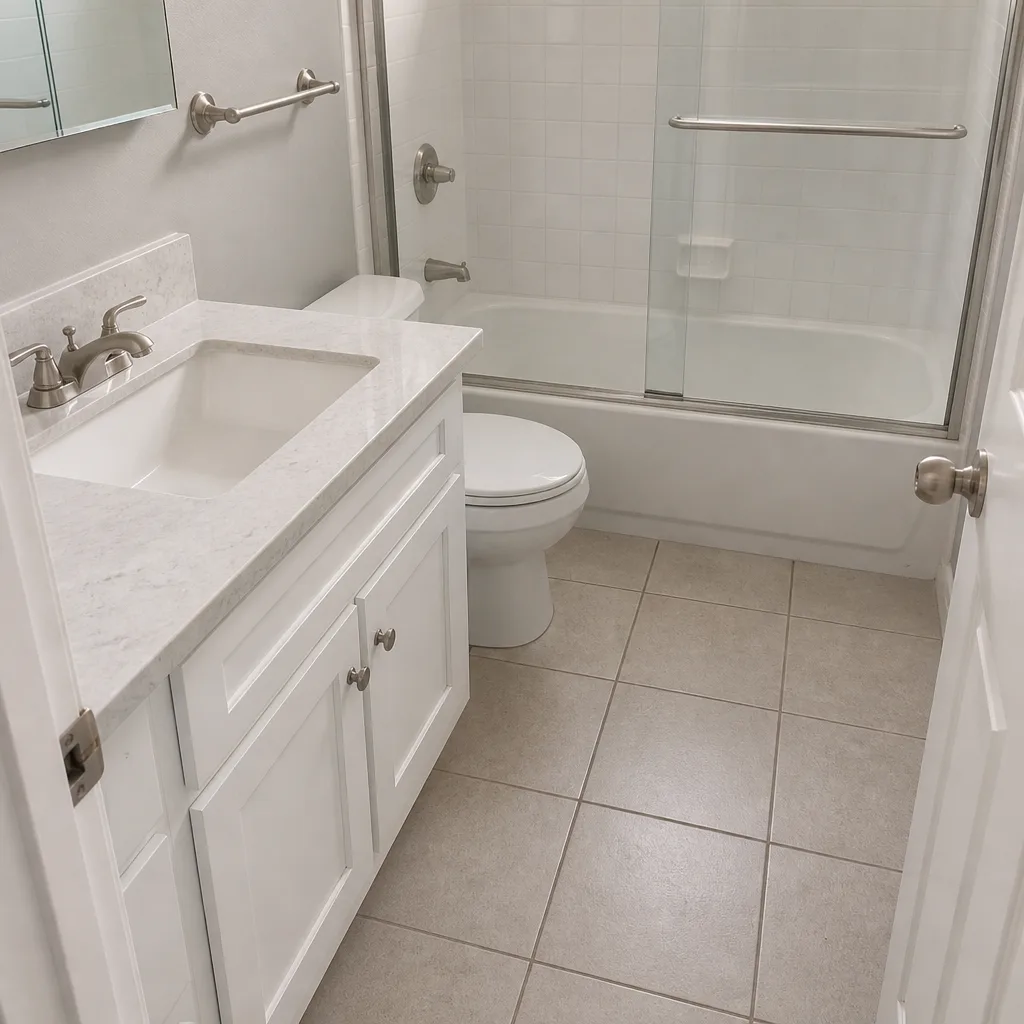 After
Frequently Asked Questions
The earliest reliable signs are failed condensation between panes (a fogged sealed unit that never clears), a draft you can detect with incense at a closed door, and a glass surface that runs 10°F or more colder than the wall on a cold morning. Most other complaints – a stiff lock, a squeaky hinge, a single drafty day – are repair-level issues, not replacement signals. Call (844) 320-7095 and we’ll help you sort repair from replacement at no charge.
Most single-window replacements in Fullerton land in the low-to-mid four figures per opening depending on size, glazing package and frame material. We don’t quote ranges on the phone because the number depends on what the opening actually measures and whether the surrounding framing needs repair. The written price arrives before any work starts. Call (844) 320-7095 for a free estimate – it’s the only way to get a real number.
Often, yes. A failed sealed insulated glass (IG) unit can be replaced within a sound frame on most wood and vinyl windows. Replacement of the whole window makes sense only when the frame is also failing – rot, warp, or a cracked sash. We measure the frame first, and we’ll tell you which fix the measurements support.
Probe test the lower corners, sill, and bottom 6 inches of the jamb with a screwdriver. Soft, spongy resistance means rot, and rot in the frame is a replacement signal because the hidden extent isn’t known until it’s opened. A frame that probes hard and dry is a repair candidate even if it looks tired. Call (844) 320-7095 to have a technician run the same test on your home.
Measure three things: deadbolt throw (should be at least 1 inch), strike box depth (should give at least 3 inches of solid material behind the plate), and the sliding-door lift-off test (the door shouldn’t lift more than 1/8 inch out of its track when closed and latched). If any measurement misses the threshold, the hardware or track is the fix, not usually the whole door.
Under Clause 1 of The Haven Standard, no work proceeds on a change until a signed change order is in place. That means the price you sign for at the start holds unless you approve a change in writing. If we find hidden framing damage once a window is opened, that’s a documented change order before any additional work continues. Call (844) 320-7095 for a free estimate with a written scope.
The Bottom Line
The warning signs that windows and doors need replacement are measurable, and the measurements are the whole point. Start with three numbers: condensation between the panes, a door-to-threshold gap you can find with incense (the 1/16-inch one), and a deadbolt throw of at least 1 inch. Add a probe test and a glass-vs-wall temperature comparison. Most complaints in older Fullerton homes fall into repair-level categories, and a smaller set of measurements – rot, out-of-square openings, stucco separation wider than 1/16 inch – point to replacement or to a framing issue a new window alone won’t fix. Document what you find with photos and measurements before anyone quotes. Our team at Rowan Construction Group hands you a written price before any work starts on every trade, from Rowan Construction Group Fullerton home through Fence Installation in Newport Beach and Driveway & Pavers in Newport Beach. The 365-Day Done Right Promise backs the work, and the Free Second Opinion reviews any written estimate line by line. Call (844) 320-7095 to schedule your free estimate.
Written by the team at Rowan Construction Group Fullerton.