Last updated November 18, 2026
Free written scope consultation - allowances, timeline, and change-order rules on paper before a single trade is scheduled
DIY vs Professional Home Additions & ADU: What’s Safe to Do Yourself
An owner-builder who pulls their own ADU permit in California signs a declaration that they intend to occupy the unit as their principal residence, and that they cannot sell or rent the property under the usual terms without disclosing the self-build status on the title. That one line never appears in the DIY cost-savings calculators. The calculators compare contractor labor rates to weekend hours. They don’t price the disclosure, the lender’s question, or the re-inspection fee you’ll pay when the rough-in fails. This guide separates the work California law actually lets an unlicensed homeowner do on a home addition or ADU from the work that requires a licensed trade regardless of who holds the permit, and it names what a Fullerton owner-builder should price into the decision before pulling a permit.
Quick Answer
Most structural, electrical, plumbing, and mechanical work on an ADU requires a licensed contractor, even under the owner-builder exemption, because California’s contractor licensing law lets the owner-builder manage the project but does not let an unlicensed person install framing to code, run conduit, or sweat pipe on a permitted ADU. Safe DIY scopes are finish-level: painting, cabinet installation, finish hardware, and landscaping, done after rough-ins are inspected and signed off. Everything that touches the structure or the systems of the building belongs to a C-licensed trade.
Styles & brands we work with
- Kitchen remodeling
- Bathroom remodeling
- Home additions & ADU
- Roofing
- Windows & doors
- Driveway & pavers
- Fence
Table of Contents
- What California’s Owner-Builder Rule Actually Permits
- Which ADU Scopes Require a C-Licensed Contractor
- The Real Cost Comparison: Labor, Time, Re-Inspection, and Resale
- Genuinely Low-Risk DIY After Rough-Ins Are Approved
- How Lenders and Appraisers Treat Owner-Built ADUs
- The Insurance Gap in Owner-Builder Projects
- Fullerton Context: Permits, Climate, and Neighborhoods
What California’s Owner-Builder Rule Actually Permits
California’s owner-builder exemption is about who manages the project, not who performs every trade inside it. An owner-builder is a property owner who takes responsibility for the construction on their own residence and who does not intend to sell the property within one year of completion. That’s the trade-off: you take the management role and the liability that comes with it, and in return you can hire licensed subcontractors yourself instead of going through a general contractor. You cannot legally hire unlicensed tradespeople to build an ADU, and you cannot perform the licensed trades yourself unless you also hold the appropriate license.
Two things trip up owner-builders in Fullerton and across Orange County:
- The declaration is a legal document, not a checkbox. It goes on the permit record and, per California law, the one-year resale restriction follows the property on title. A buyer’s agent will pull it. So will an appraiser.
- Permits and inspections are the owner’s responsibility on an owner-builder job. Nobody else calls the inspector for you. Miss a rough-in inspection and the work behind the drywall has to come out.
The exemption exists for homeowners who want to manage their own build. It’s not a legal shortcut around the contractor license. When we talk with homeowners in Fullerton about a home addition, the question we hear isn’t “can I do it myself?” It’s “what am I actually allowed to sign for?” The honest answer is: you sign for a lot, but you build almost none of it. If you want the full picture of what a permitted ADU involves, our Home Additions & ADU in Newport Beach page walks through scope, permits, and timelines for the neighboring market.
Which ADU Scopes Require a C-Licensed Contractor
Regardless of who pulls the ADU permit, some work must be performed by a licensed trade. Under California’s Contractors State License Board rules, the following scopes on a permitted ADU require a C-licensed contractor:
- Foundation and slab work. Concrete flatwork, stem walls, and anchor bolts fall under a C-8 Concrete license.
- Framing, sheathing, and structural carpentry. C-5 Framing contractor or a general building contractor.
- Roofing, including the roof-to-wall flashing details on an ADU tie-in. C-39 Roofing.
- Electrical, including service upgrades, subpanel, conduit, and luminaires. C-10 Electrical, and on most ADU jobs the panel upgrade is the critical path.
- Plumbing, both rough and finish. C-36 Plumbing, including the sewer connection and the water heater.
- Mechanical, including HVAC and gas appliance connections. C-20 Mechanical.
- Drywall and insulation behind a fire-rated wall assembly. Often done by a licensed trade because a failed fire separation inspection is expensive to reverse.
A homeowner who plans to self-perform any of the above as an owner-builder is technically unlicensed work on a permitted structure. We don’t recommend it, we won’t sign off on it, and no inspector in Fullerton will pass it. The scope is defined by the trade, not by who hands over the permit fee. Our Rowan Construction Group Fullerton home page lists the seven residential trades we run under one written-price process, and every one of them touches an ADU at some stage.
The Real Cost Comparison: Labor, Time, Re-Inspection, and Resale
The DIY-vs-contractor math most calculators use is wrong because it compares labor rates to hourly effort. A real comparison has four line items, not two, and one of them is a legal consequence. Here’s what to put in an honest budget spreadsheet:
- Labor. A licensed trade hour is billed at a rate. Your weekend hour is billed at your time, and while your time is valuable it’s not usually priced that way in a DIY budget.
- Failed rough-in re-inspections. In Orange County, a re-inspection fee after a failed rough-in typically runs $400 to $800 depending on the jurisdiction and the number of corrections. A first-pass failure rate on DIY electrical and plumbing rough-ins is high enough that you should budget for at least one.
- The one-year resale restriction. If you sign the owner-builder declaration and sell within a year, you have disclosure obligations and financing complications. If you sell after one year, the disclosure still appears on the property record.
- Lender and appraisal treatment. More on this below, but the short version is that an appraiser handling a contractor-built ADU has a documented scope. An owner-built ADU often needs a second appraisal or an extended review.
When we write a quote for a home addition in Fullerton, the number the customer gets is a flat price with a written scope and a written warranty. Under Clause 1 of the Haven Standard, that price is written before anyone starts. That’s not marketing copy; it’s the reason a homeowner can compare a real number to a real number instead of comparing a contractor’s quote to a guess. Our Driveway & Pavers in Newport Beach page shows the same discipline on an outdoor scope, where the line-item approach is easiest to see.
Where the DIY savings actually show up – and where they don’t
The savings people find in DIY on an ADU are concentrated in a narrow band: finish work and fixtures. They vanish when you hit framing, electrical, and plumbing, because those line items require a licensed trade and the re-inspection risk on self-performed rough-ins is steep. If you’re comparing a full DIY build to a contractor build, the version of DIY that actually pencils out is a hybrid – licensed trades for the structure and systems, owner-supplied labor for the finishes. That hybrid is the one worth pricing.
Genuinely Low-Risk DIY After Rough-Ins Are Approved
Here’s the band of work where DIY is genuinely sensible on an ADU in Fullerton and most of Orange County, done after all rough-ins have passed inspection:
- Interior and exterior painting. Easy to correct, low consequence, no permit impact. Use an exterior product rated for our summer UV and marine-layer humidity swings, and prime any new stucco that hasn’t fully cured.
- Cabinet installation in a kitchenette or bathroom vanity. KraftMaid and Wellborn both ship a spec sheet and a leveling system; a homeowner with a level, a stud finder, and patience can install a run of uppers on an inspected wall. Leave the plumbing trim to the licensed plumber.
- Finish hardware and trim. Door hardware, bath accessories, closet systems, baseboard and casing where they don’t cover a fire-rated assembly, shelving. That’s the last 10% of the build, and it’s the 10% that makes the ADU feel finished.
- Flooring in the finish layer. Luxury vinyl plank over a properly prepped, cured slab is genuinely homeowner-safe. Don’t self-install tile over an uncured or improperly sloped substrate – that’s a re-do waiting to happen.
- Landscaping and hardscape finish. Sod, mulch, drip irrigation, and finish planting. If the ADU needs a new driveway or patio, our Fence Installation in Newport Beach page gives a sense of how we sequence exterior work with a build.
- Fixtures, after rough-ins. A Kohler sink, faucet trim, or shower head is a homeowner install on an inspected line. Installing the supply and drain is not.
Everything above assumes the rough-in inspections have been signed off. Do not drywall, paint, or finish over any inspected rough-in until you have the green tag in hand. We’ve seen Fullerton homeowners discover a reversed shower valve behind a finished wall, which turns a $200 fixture swap into a $2,400 tile-and-membrane repair.
How Lenders and Appraisers Treat Owner-Built ADUs
Appraisal treatment of an owner-built ADU differs from a contractor-built unit in two ways, and both impact the number on the page. First, an appraiser needs documented proof that the unit was permitted, inspected, and built to code. A contractor-built ADU usually arrives with that documentation bundled. An owner-built ADU can too, but the owner is the one assembling it, and a gap in the record pushes the appraiser toward a conservative value or a “subject to” condition on the report. Second, lenders who are underwriting rental income for the ADU – which is a meaningful part of the ADU’s economic story in Fullerton and across Orange County – want to see that the unit is legally rentable and that the income is reasonable for the market. A unit with a clean contractor record and a permitted final sign-off is easier to justify than one with an owner’s file folder and an appraisal note saying “owner-constructed, income estimate based on owner records.”
In practice, this means an owner-built ADU may appraise lower than a contractor-built unit of identical square footage in the same Fullerton neighborhood, not because the quality is worse, but because the record is thinner. That’s a real dollar gap, and it should be in the DIY cost comparison.
The Insurance Gap in Owner-Builder Projects
Most standard homeowner policies exclude construction liability during an owner-builder project. That means if a subcontracted worker is injured on your property during the build, or if a neighbor’s property is damaged by construction activity, the standard policy may not respond. To close that gap, an owner-builder typically needs a builder’s risk rider or a construction liability endorsement added to the existing policy for the build period.
The rider cost varies by carrier and by project scope, but it’s a real number and it belongs in the DIY budget. It rarely shows up in DIY cost-savings calculations, which is why we flag it. A contractor’s own policy covers their exposure during the build; an owner-builder’s policy generally does not cover that exposure unless a rider is added. When we quote a home addition or ADU as a company, the insurance layer is one of the line items the customer is paying for without necessarily seeing it broken out. On an owner-builder job, the customer has to build that line item themselves, or they’re running uncovered.
Fullerton Context: Permits, Climate, and Neighborhoods
Several things about Fullerton specifically should be in the owner-builder’s decision:
- Permit path. The City of Fullerton requires a building permit for any ADU, whether attached, detached, converted, or a JADU. Plan review timelines vary by scope, and a detached ADU with a new service panel typically adds a separate electrical permit and an SCE service coordination step.
- Climate effects on the build. Fullerton sits in the transition between coastal marine layer and inland heat, and our ADU tie-in details – especially flashing at a roof-to-wall connection and drainage at a new slab – have to handle both. A 95°F July afternoon followed by a cool September morning is not unusual here. That’s a freeze-thaw equivalent for stucco and a thermal move for a flat roof.
- Neighborhood context. In older Fullerton blocks – the ones with 1920s and 1940s bungalows – the ADU often has to tie into a service panel that was already at capacity. In the newer pockets around Amerige Heights and the Fullerton State College area, panels are usually sized for an ADU already. That difference alone can swing the electrical line item by several thousand dollars.
- Alley access. A detached ADU with alley access is easier to permit and easier to build. Without it, the sequencing of concrete, framing, and staging has to be planned around a side yard, and that cost shows up in the labor line.
Common Mistakes to Avoid
- Signing the owner-builder declaration without reading the one-year restriction. The resale restriction follows the property on title, and a Fullerton owner-builder who sells within a year faces disclosure obligations that many buyers’ agents read as a red flag.
- Hiring unlicensed tradespeople to do C-licensed work. The inspector on a Fullerton ADU will ask for the contractor’s license, and an unlicensed electrician’s work behind the drywall is the owner’s problem at sale.
- Drywalling before all rough-ins pass. A single missed inspection in a Fullerton ADU can mean cutting out a finished wall to expose plumbing, and that’s a $1,500 to $3,000 repair on top of the re-inspection fee.
- Budgeting labor savings without a construction liability rider. The rider is not optional in a real budget. If the policy excludes construction liability and there’s no endorsement, an injury on site is uncovered.
- Skipping the panel load calculation. Adding a 240V dryer, a range, and an ADU HVAC to a 60-year-old Fullerton panel is a service upgrade and a separate permit. Budgeting for the addition without the upgrade is the most common cost surprise on a Fullerton ADU.
- Assuming owner-built ADU appraises the same as contractor-built. An appraiser handling an owner-built unit may apply a “subject to” condition or price conservatively when the documentation is thinner, and that gap shows up at refinance.
- Finishing a substrate that hasn’t cured. Laying LVP or tile over new slab in a Fullerton summer is a re-do waiting to happen. A slab needs its cure time, and our dry heat doesn’t shorten that.
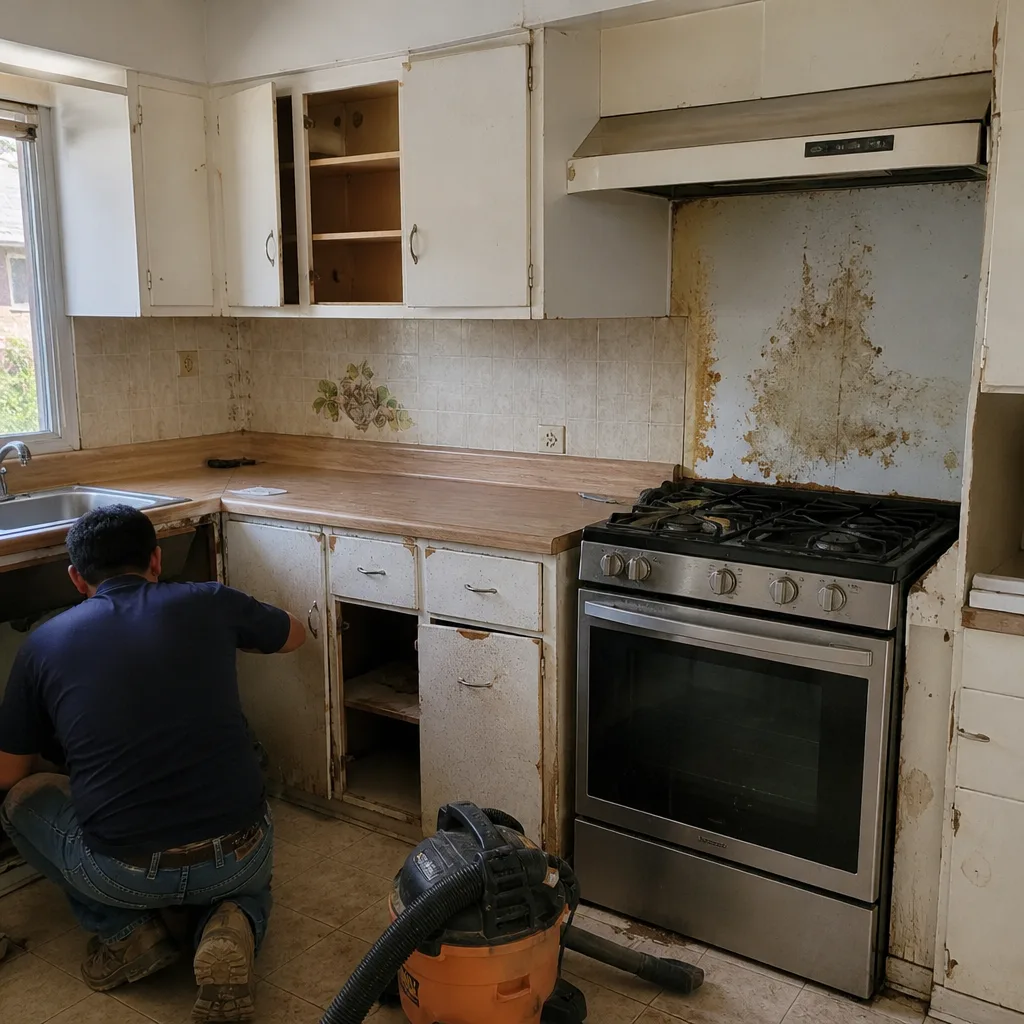
See the difference
 Before
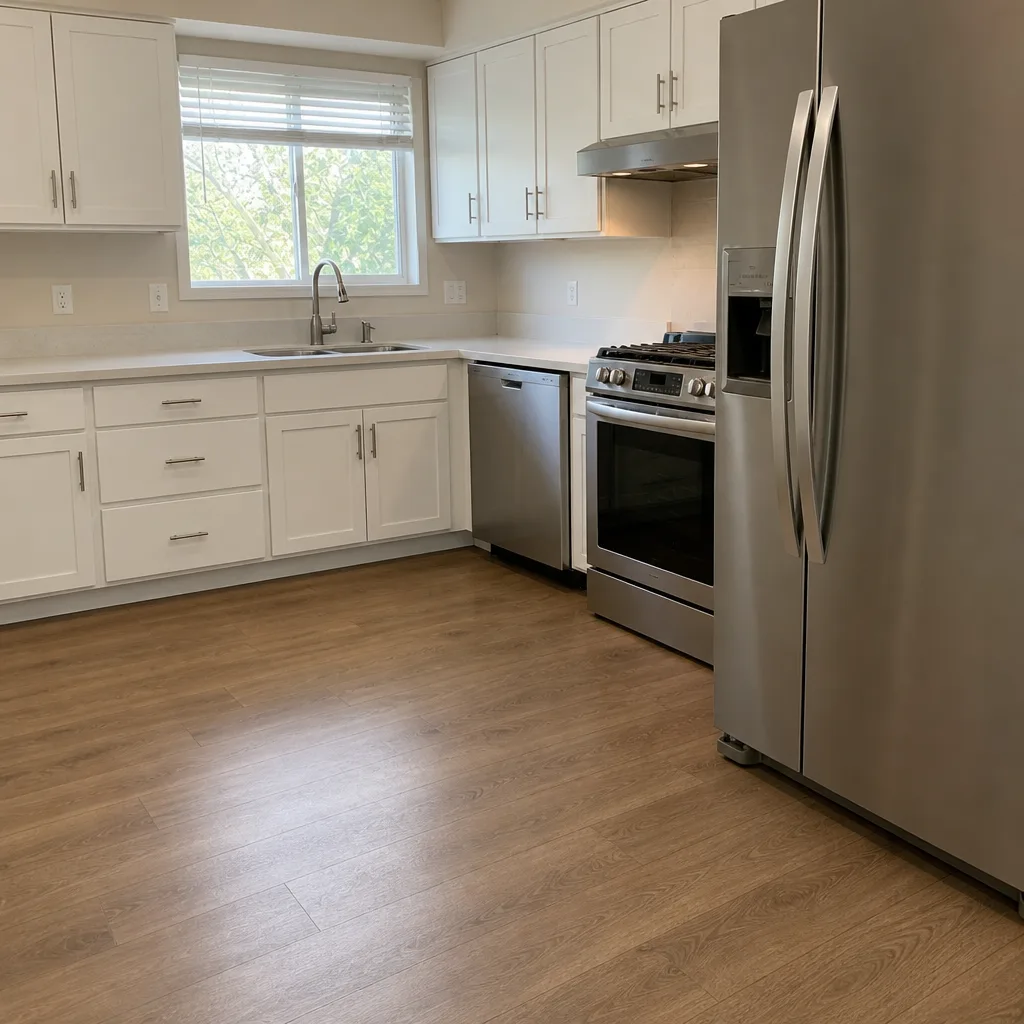 After
 Before
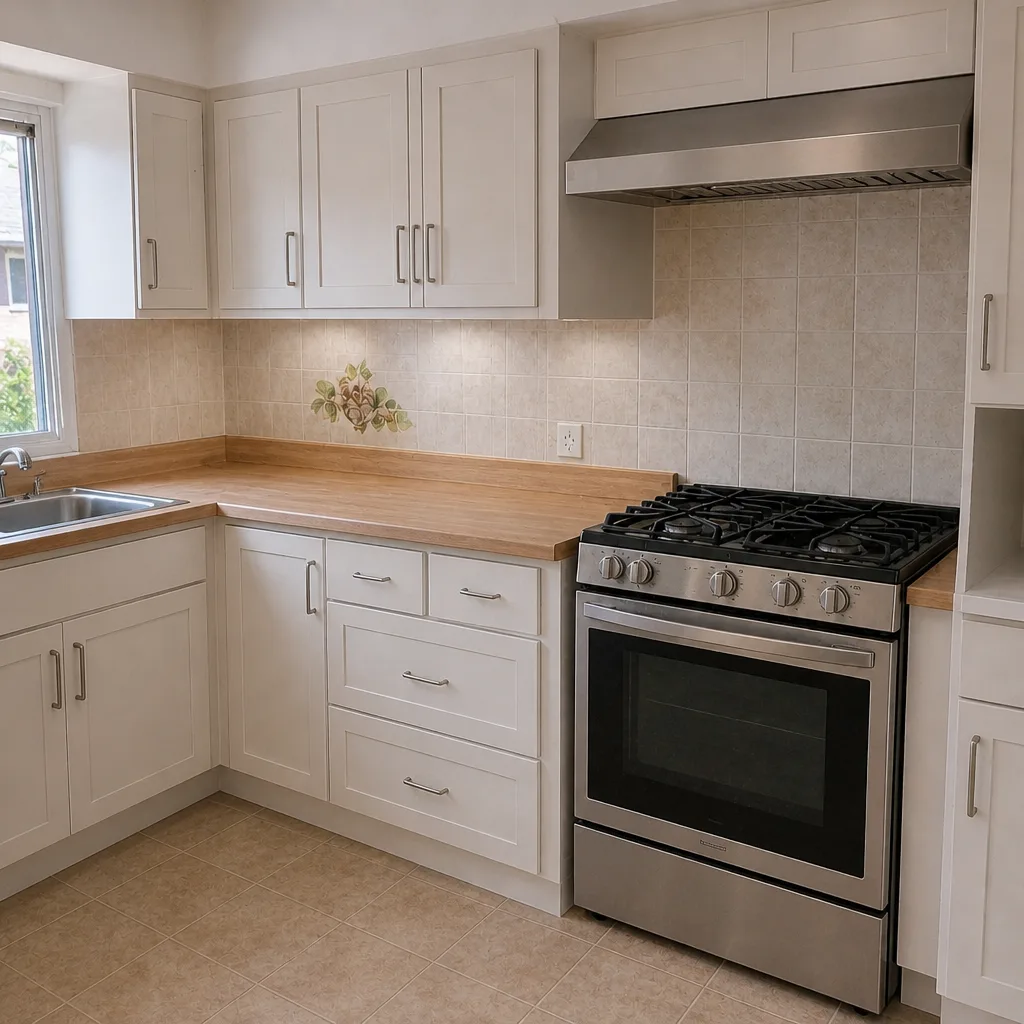 After
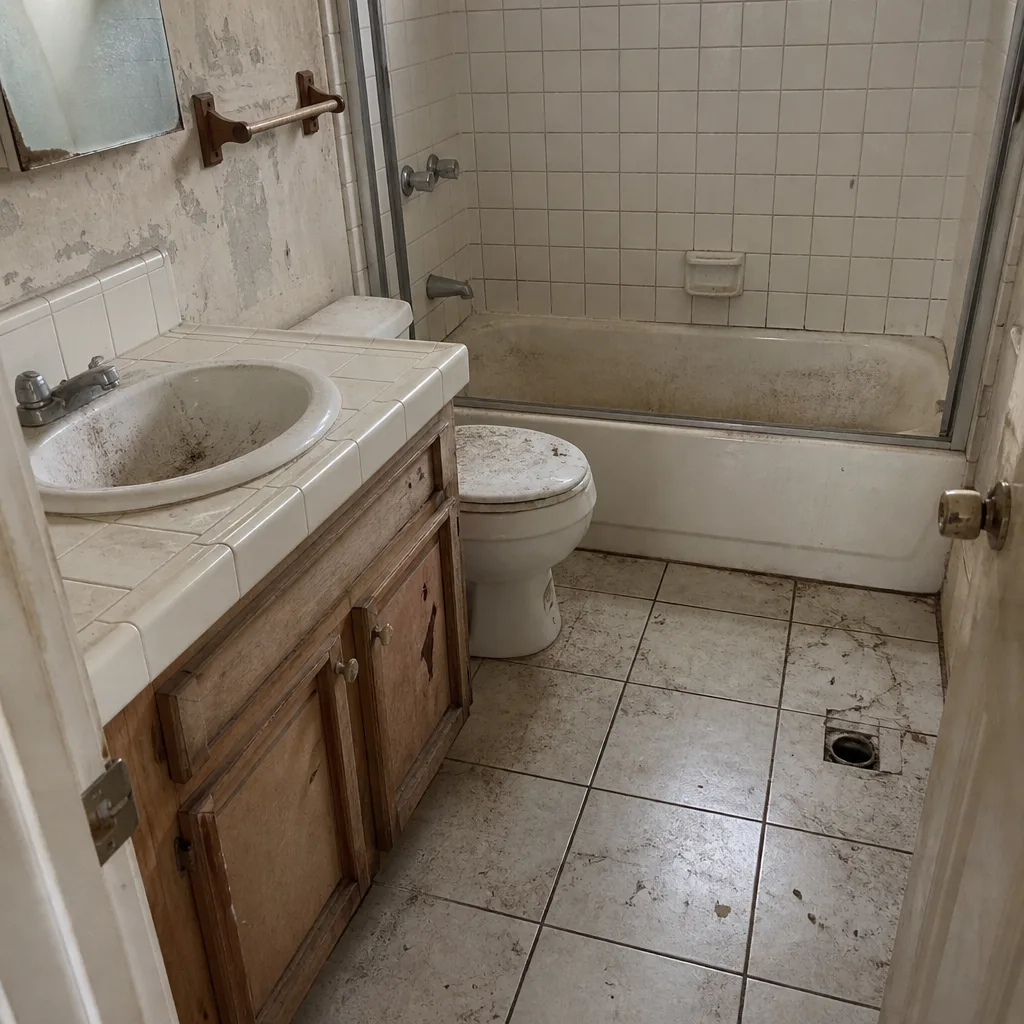 Before
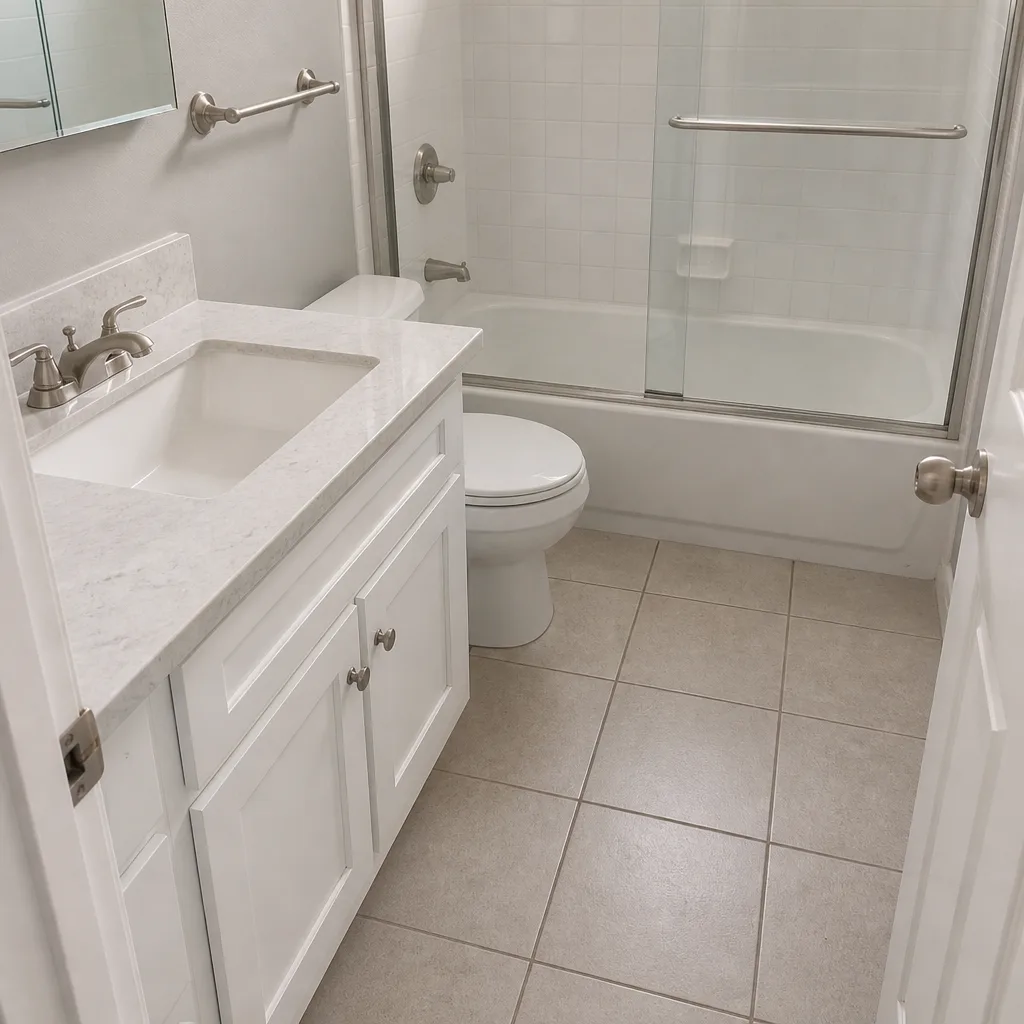 After
When to Call a Professional
Call a licensed contractor when any of the following is in your scope: structural framing, foundation or slab work, a panel upgrade, plumbing rough-in, mechanical, roofing, or a fire-rated wall assembly. Also call when the plan requires a JADU conversion, a setback variance, or a panel load calculation you can’t verify. Those scopes aren’t designed for a homeowner, and no owner-builder declaration changes the license requirement. If you’ve already pulled a permit as owner-builder and you need a licensed trade to complete a scope, that’s a valid path – you can hire licensed subs directly and stay in the management role. Rowan Construction Group Fullerton offers free estimates on home additions and ADU projects across Fullerton, and we’ll review a competitor’s written estimate line by line at no charge under our Free Second Opinion offer. The local pro we bring in is licensed and insured as California requires. Call (844) 320-7095 to schedule your free estimate.
Frequently Asked Questions
Yes, with limits. You can pull the permit as an owner-builder and manage the project yourself on the property you live in, but you still must hire licensed contractors for structural, electrical, plumbing, and mechanical work. The owner-builder exemption is about project management, not about self-performing every trade, and the declaration comes with a one-year resale restriction that stays on title. Call (844) 320-7095 for a free estimate on the licensed portions of your Fullerton ADU.
After all rough-ins have passed inspection: painting, cabinet installation, finish hardware, flooring over a cured substrate, landscaping, and fixture installs on inspected lines. Do not self-install anything structural, electrical, plumbing, or mechanical, regardless of who pulled the permit. If you’re unsure where a task sits, call (844) 320-7095 for a free estimate and scope review.
The honest number is often closer than the DIY calculators suggest once you add the re-inspection fees (which run $400 to $800 per re-inspection in Orange County), the construction liability rider, and the appraisal treatment on the back end. Hiring a contractor gives you a written price before work starts and a documented record; DIY gives you control and a variable cost structure. Call (844) 320-7095 for a free line-item comparison – our estimates are free.
Yes. A new ADU, an attached addition, a converted ADU, or a JADU all require their own building permit, and if the panel is being upgraded that’s a separate electrical permit. Plan review timelines vary by scope, and the permit is required before any work begins. Call (844) 320-7095 to schedule a free estimate and we’ll walk you through the permit sequence for your property.
Usually not for construction liability unless you add a builder’s risk rider or a construction liability endorsement before work starts. The standard policy excludes construction activity, and an uncovered injury on site is a real risk. Add the rider cost to any DIY budget before you pull the permit. Call (844) 320-7095 if you want a contractor-side free estimate to compare against the owner-builder path.
It can be, but the documentation burden is on you. An appraiser needs a clean permit record, inspection sign-offs, and reasonably supported rental income assumptions. A contractor-built unit typically arrives with that record bundled. A thinner record can result in a “subject to” condition or a conservative valuation at refinance. Call (844) 320-7095 for a free estimate on a contractor-built ADU to compare against your owner-builder plan.
The Bottom Line
The DIY question on an ADU in California isn’t about whether you’re handy. It’s about what permit law allows an unlicensed homeowner to build on a permitted structure, and the answer is narrower than most calculators suggest. Safe DIY is finish work after rough-ins: painting, cabinets, hardware, landscaping, flooring. Everything structural and systems-level belongs to a licensed trade, whether or not you pulled the permit as owner-builder. Price the re-inspection fees, the construction liability rider, and the one-year resale restriction before you decide, and compare those to a written contractor price. If the contractor number comes in close, take the number and the record. Call (844) 320-7095 for a free estimate on a home addition or ADU in Fullerton.
Written by the team at Rowan Construction Group Fullerton.