Last updated November 18, 2026






Free written scope consultation - allowances, timeline, and change-order rules on paper before a single trade is scheduled
DIY vs Professional Windows & Doors: What’s Safe to Do Yourself
A homeowner can install a replacement window correctly in every visible dimension and still create a water intrusion point that won’t show up for 18 months. The window will sit level, open and close smoothly, and look finished from both sides. What fails is hidden inside the wall: the flashing that should have lapped over the weather-resistant barrier, sealing the rough opening against driven rain. That interface is the whole ballgame, and most DIY guides never mention it. In this guide we’ll separate window and door work into what’s genuinely safe to do yourself versus what quietly plants a leak, and we’ll explain the retrofit-versus-full-frame distinction that changes the risk entirely. We do this work across Fullerton, and the pattern is consistent.
Quick Answer
Retrofit (insert) window replacement, prehung interior doors, and basic weatherstripping are reasonable DIY projects for a careful homeowner. Full-frame window replacement, exterior door installation, and sliding patio doors are not: they require correct flashing sequence, weather-resistant barrier integration, and threshold waterproofing that, done wrong, create concealed water pathways inside the wall. And in California, most window replacements need a permit whether you do them yourself or hire out.
Styles & brands we work with
- Kitchen remodeling
- Bathroom remodeling
- Home additions & ADU
- Roofing
- Windows & doors
- Driveway & pavers
- Fence
Table of Contents
- Where the Line Actually Falls: Flashing
- Retrofit vs Full-Frame: Why One Is Safer to DIY
- Full-Frame Replacement: The Flashing Sequence That Matters
- California Permit Reality for Window Replacement
- Door Installation Complexity by Type
- Are You Actually Ready? Pass/Fail Tests
- Common Mistakes to Avoid
- When to Call a Professional
Where the Line Actually Falls: Flashing
Window and door work splits cleanly into two categories. In the first, the consequence of a mistake is cosmetic and easily corrected: a door that sticks, caulk that looks uneven, trim that needs another pass. In the second, a misstep creates a concealed water pathway into the wall cavity. The line between those categories is almost always flashing, and it lives inside the wall where no one looks after the job is done.
Flashing is the layered membrane system that directs water that gets behind the siding or stucco back out and away from the framing. On a retrofit install, you rarely touch it. On a full-frame install, you rebuild it. That single difference is why one is a weekend project and the other is a professional one.
In Fullerton, this matters more than a generic guide will tell you. We sit in a climate that swings from dry, hot Santa Ana winds to genuine winter rain events, and stucco is the dominant exterior across most of the city. Stucco doesn’t forgive a bad flashing job the way a rain screen might. Water that gets behind it has nowhere to drain, so it sits against the sheathing and the wood framing and works slowly. That’s the 18-month failure: not a puddle on the floor, but soft framing discovered during a later remodel.
- Cosmetic-risk work: retrofit insert windows, interior doors, hardware, caulk lines, weatherstripping.
- Concealed-water-risk work: full-frame windows, exterior doors, sliding patio doors, anything that opens the weather-resistant barrier.
Retrofit vs Full-Frame: Why One Is Safer to DIY
A retrofit, also called an insert replacement, sets a new window into the existing frame after the old sash and glass are removed. The original frame stays. That single fact is why retrofit carries far lower DIY risk: you’re not disturbing the flashing, you’re not exposing the building wrap, and the installer works entirely within the existing opening. The weather barrier that’s been keeping that wall dry stays intact.
Full-frame replacement removes the entire window assembly down to the rough opening, which means the flashing and building wrap get exposed and rebuilt. That’s the job where experience shows.
Here’s the practical comparison for a Fullerton homeowner weighing DIY on a retrofit:
- Weather barrier: retrofit leaves it intact; full-frame exposes and requires rebuilding it.
- Flashing: retrofit doesn’t touch it; full-frame requires correct sequence and integration.
- Skill ceiling: retrofit asks for level, plumb, square, and clean caulk; full-frame asks for waterproofing judgment.
- Failure mode: retrofit error shows up as a draft or a visible gap; full-frame error hides in the wall.
A retrofit done carefully is a legitimate DIY project. It still needs the rough opening measured correctly, the new unit shimmed level and plumb, and the perimeter sealed with a quality sealant. We see retrofit jobs in Fullerton go wrong mostly on measurement and shimming, not on water. That’s a correctable mistake, which is the point.
Full-Frame Replacement: The Flashing Sequence That Matters
Full-frame replacement is where DIY risk concentrates, and the reason is sequencing. Flashing tape has to go on in a specific order or it sheds water the wrong way. Get the order wrong and the window looks perfect while it quietly funnels water into the wall.
The correct sequence, from the bottom up:
- Sill pan first. The sill flashing goes down before anything else, turning up at the sides so water that reaches the sill drains outward, not into the framing.
- Sides next. Side flashing laps over the sill flashing, not under it. Each layer must shed onto the one below.
- Head last. The head flashing goes on top and laps over the side flashing, so water running down the wall sheds onto the head and off the sides.
The specific failure mode is out-of-order tape. If the head flashing goes under the sides, or the sides tuck under the sill, every lap points water the wrong direction. That’s the concealed pathway. Combined with a weather-resistant barrier that wasn’t lapped correctly before the window went in, you’ve built a slow leak into a Fullerton stucco wall, and stucco won’t tell you until the framing is already compromised.
This is also where calling in experienced hands pays for itself. Our technicians have up to 19 years of experience, and on a full-frame job they’re reading the barrier condition, not just installing a window. When we quote a full-frame replacement, the written scope names the flashing and barrier steps, so you can see the waterproofing is part of the price, not an afterthought.
California Permit Reality for Window Replacement
Most window replacements in California require a permit, and doing the work yourself does not exempt you from that requirement. This is the part DIY guides routinely skip. A permit isn’t paperwork for its own sake: it triggers an inspection that checks the flashing and installation were done to code, which is exactly the concealed part you can’t verify yourself.
Here’s what that means practically for a Fullerton homeowner:
- Permit required: like-for-like window replacement generally needs one, and full-frame work definitely does.
- DIY doesn’t waive it: you can pull the permit as an owner-builder, but you still have to meet the same code and pass the same inspection.
- Sale disclosure: unpermitted window work is a disclosure item when you sell. It surfaces in the transaction and can cost you negotiating leverage or force a correction.
We pull permits and pass inspections on the window and door work we do, and it’s written into the scope. If you’re comparing a DIY weekend against a quote, factor the permit and inspection into the DIY column honestly. That inspection is checking the one thing you can’t see once the trim goes back on. For a look at how we handle the broader envelope of a home, the Rowan Construction Group Fullerton home page lays out the trades we cover.
Door Installation Complexity by Type
Doors range from a genuinely reasonable DIY afternoon to a high-failure-rate job, and the type of door decides which. The dividing question is the same as with windows: does the install involve weatherproofing, or just an interior opening?
Prehung Interior Door: Reasonable DIY
A prehung interior door comes already set in its jamb, which removes the hardest part. You’re leveling the frame in the opening, shimming, and trimming casing. No weather barrier, no threshold, no water. Careful work with a level gets you a door that closes cleanly. This is the DIY end of the door spectrum, and it’s where most homeowners should stay.
Prehung Exterior Door: Professional Territory
An exterior door has to do everything an interior door does and also keep weather out. That means threshold attention, sill pan flashing, and integration with the exterior wall’s barrier. Sterling and similar manufacturers build a solid unit, but the unit is only as good as the install. A threshold that doesn’t drain correctly lets water sit at the base of the door and migrate inward. That’s concealed damage again.
Sliding Patio Door: High DIY Failure Rate
Sliding patio doors are the highest-risk door type for DIY. The track has to be perfectly level and the frame perfectly square, or the door binds, drags, and never seals right. A patio door that doesn’t seal is an energy and water problem in one. In our experience across Fullerton, sliding patio door installs are where we most often get called to correct a DIY attempt. The track leveling and frame squareness tolerances are unforgiving.
Are You Actually Ready? Pass/Fail Tests
Before you decide, run these tests honestly. They’re the difference between confidence and a concealed leak.
- Level competency. Can you set a 4-foot level on a sill and read whether it’s true, then shim to correct it? If you’re guessing at what “level” looks like, you’re not ready for anything beyond interior trim. Pass means you own a level and know how to read both bubbles.
- Caulk gun control. Can you run a consistent bead around a window perimeter without gaps or globs? An inconsistent bead is an air and water gap. Practice on scrap first, then judge yourself.
- Rough opening literacy. Can you read and apply a rough opening dimension from the manufacturer’s spec sheet and confirm the actual opening matches before ordering? Getting this wrong is the most common retrofit failure.
Fail any of these and the honest move is to hire out, or at minimum stick to retrofit and interior doors. Passing all three doesn’t make full-frame replacement a good DIY idea, because the flashing judgment isn’t on the list. It’s a separate skill, and it’s the one the whole article keeps coming back to.
If you’re planning a larger envelope or structural change around windows and doors, our Home Additions & ADU in Newport Beach page shows how these details integrate at the framing level. And if the door opens onto a driveway or patio, Driveway & Pavers in Newport Beach covers the exterior grade and drainage side that affects thresholds.
Common Mistakes to Avoid
- Flashing tape in the wrong order. Head over sides over sill, always. If you’re guessing at the sequence, stop. This is the single mistake that creates the concealed leak.
- Caulking over a flashing problem. Sealant is the last line, not the waterproofing. In Fullerton’s stucco walls, caulk hides a bad flashing job for a season and then fails.
- Skipping the permit because it’s DIY. Owner-builder doesn’t waive the requirement, and unpermitted window work shows up as a disclosure at sale.
- Ordering a retrofit without confirming the rough opening. Measure the actual opening against the spec sheet before you buy, not after the old window is out.
- Setting a sliding patio door track off-level. A fraction off and the door drags and never seals. This is a high-failure install for good reason.
- Ignoring the weather-resistant barrier on a full-frame job. If the barrier behind the old window is torn or was never lapped right, the new window can’t fix it. That’s the moment to call in someone who reads barrier condition for a living.
- Assuming a clean exterior means a correct install. The trim covers the evidence. The inspection and the photo record are what tell you it’s right.
When to Call a Professional
Call a professional for any full-frame window replacement, any exterior door, and any sliding patio door, because those are the jobs where a mistake hides inside the wall. Call if the weather-resistant barrier behind an old window is torn or poorly lapped, or if you can’t confirm the flashing sequence with confidence. Call if you want the permit pulled and the inspection passed without carrying that risk yourself. And call if a previous DIY window has started to show a draft, a stain on interior trim, or soft framing, because that’s a water pathway that’s been running for a while. Rowan Construction Group Fullerton offers free estimates in Fullerton: call (844) 320-7095. We put a written price before any work starts, and no change proceeds without a signed change order. Bring a competitor’s quote and we’ll review it line by line at no charge as a second opinion.
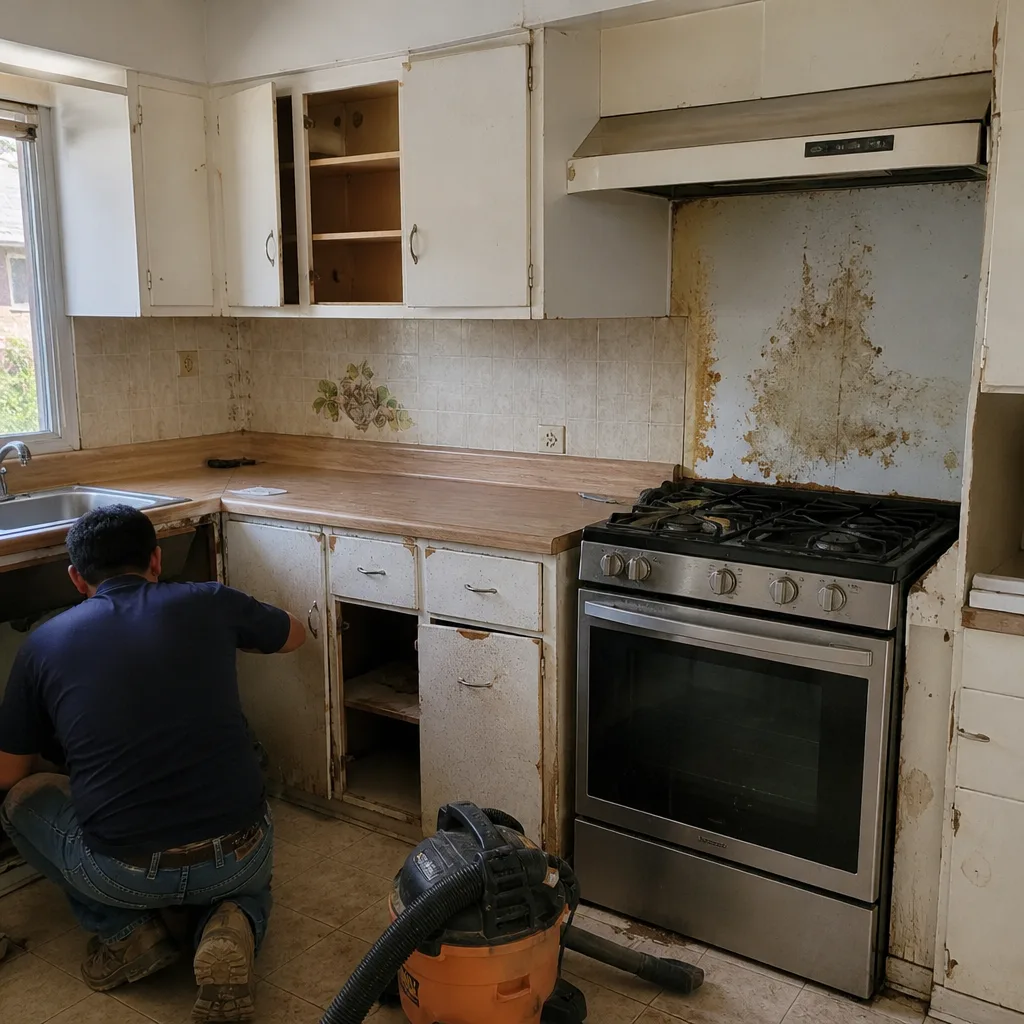
See the difference
 Before
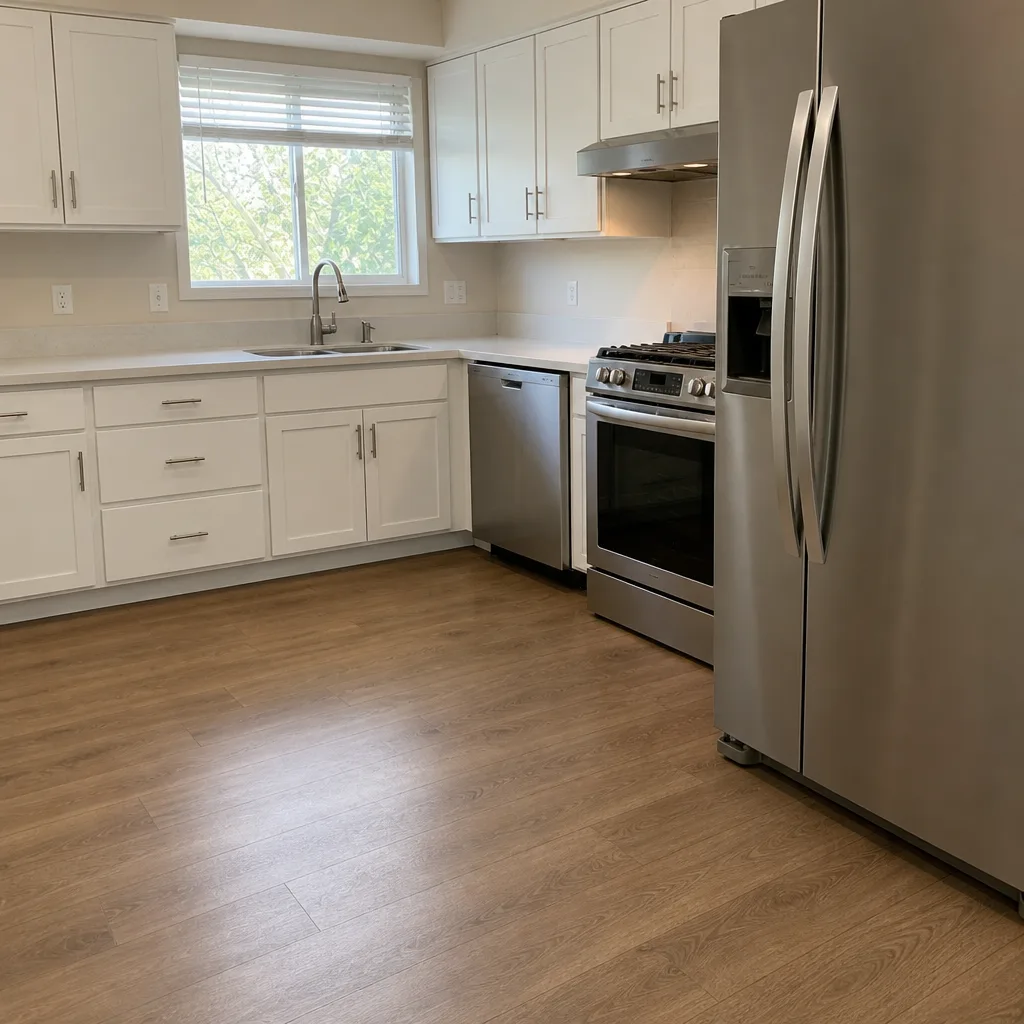 After
 Before
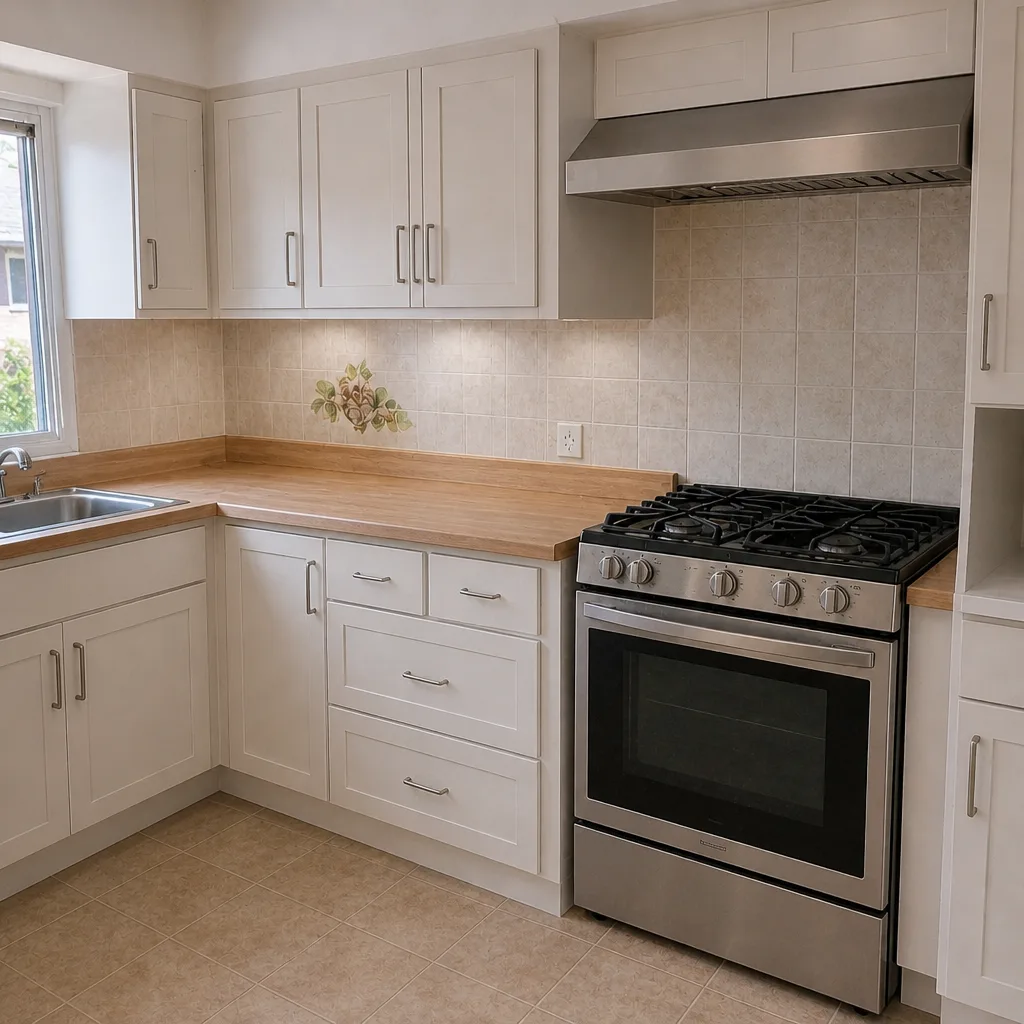 After
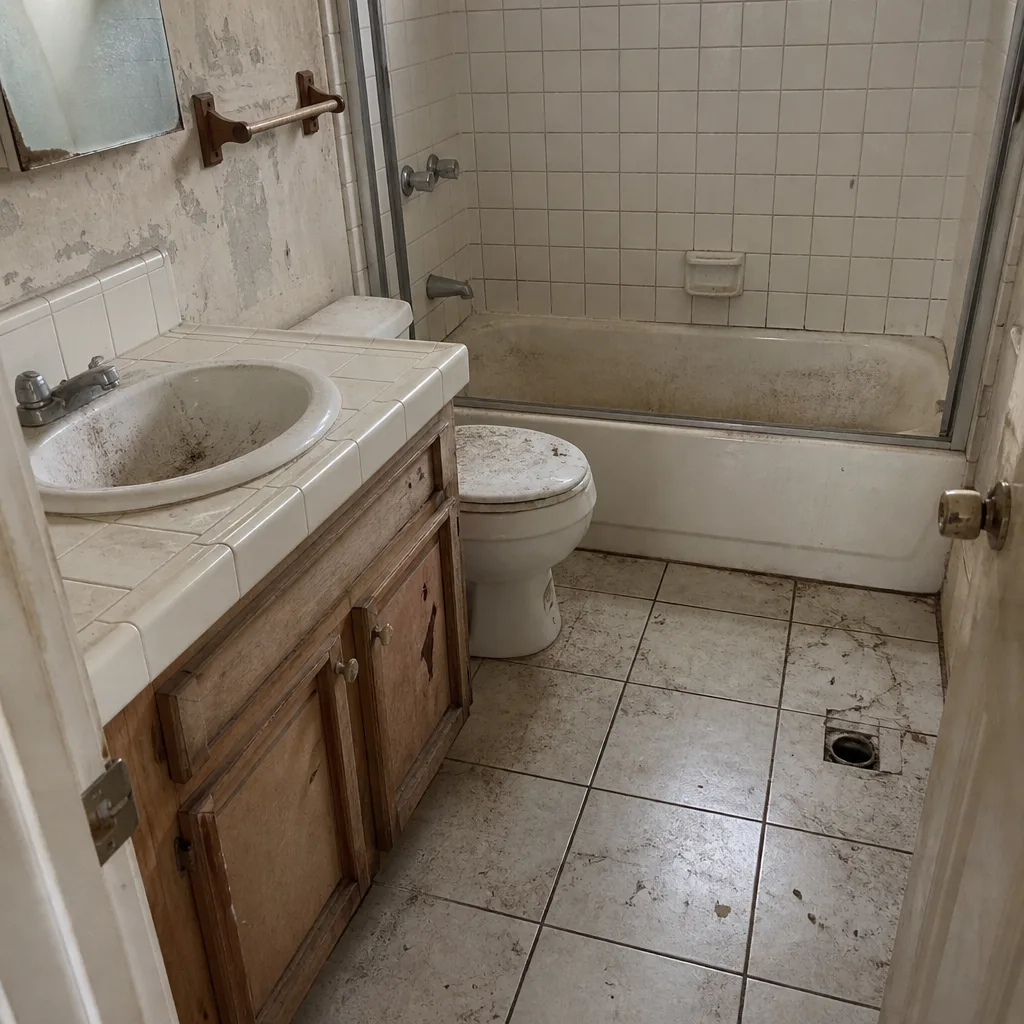 Before
 After
Frequently Asked Questions
Yes, you can legally replace your own windows as an owner-builder, but most replacements still require a permit and must pass inspection, whether you do the work or hire out. The permit isn’t optional because you’re the one installing. For full-frame work, the inspection is checking the flashing and barrier you can’t see once trim goes back on.
The material cost is the same, but DIY only wins on price if the install is correct. A retrofit insert done carefully can save labor honestly. A full-frame job that leaks behind a Fullerton stucco wall costs far more to repair than the labor it saved, because the damage runs hidden for months. Call (844) 320-7095 for an exact written quote and compare the numbers with your eyes open.
Retrofit, or insert, replacement sets a new window into the existing frame and leaves the flashing and building wrap intact. Full-frame replacement removes the whole assembly to the rough opening and requires rebuilding the flashing and weather barrier. Retrofit is lower DIY risk; full-frame is professional work.
Most window replacements in Fullerton require a permit, and unpermitted window work is a disclosure item when you sell the home. The requirement applies to DIY and professional installs alike. We pull permits and pass inspections on the work we do, written into the scope.
You can attempt it, but sliding patio doors have a high DIY failure rate because the track must be perfectly level and the frame perfectly square. Off by a little and the door binds, drags, and never seals, which becomes both an energy and a water problem. This is one of the installs we most often get called to correct.
Water gets directed into the wall instead of out, and it stays hidden until the framing softens, often 18 months or more later. In Fullerton’s stucco homes, water behind the stucco has nowhere to drain, so it sits against the sheathing. By the time it’s visible, the repair is structural, not cosmetic.
The Bottom Line
The whole decision comes down to one question: does the install disturb the flashing and the weather-resistant barrier? If it doesn’t, as with retrofit windows and prehung interior doors, a careful homeowner with basic level, caulk, and measurement skills can do solid work. If it does, as with full-frame windows, exterior doors, and sliding patio doors, the mistake hides inside the wall and shows up a year and a half later. Know the permit rule, run the readiness tests honestly, and don’t confuse a clean-looking exterior for a correct install. That’s the line worth respecting.
When a project crosses that line, the safest path is a written scope, a pulled permit, and an install that gets inspected. For exterior grading and drainage around doors and patios, see Fence Installation in Newport Beach.
Get a Written Price Before You Decide
If you’re weighing DIY against a professional install on windows or doors in Fullerton, the smartest first step is a number you can compare. Rowan Construction Group Fullerton delivers a flat written price with a written scope and warranty before any work starts, backed by our 365-Day Done Right Promise. Bring a competitor’s estimate and we’ll review it line by line at no charge. Call (844) 320-7095 for a free estimate.
Written by the team at Rowan Construction Group Fullerton.