Last updated November 18, 2026
Free written scope consultation - allowances, timeline, and change-order rules on paper before a single trade is scheduled
DIY vs Professional Fence Installation: What’s Safe to Do Yourself
The most expensive DIY fence mistake isn’t a crooked board. It’s an unpermitted fence on a property line that has to come down when the house sells, because the title company flags it during escrow and the buyer’s lender won’t close until it’s gone. We’ve seen that correction run into the thousands, and it happens to homeowners who did careful, tidy work. Here’s what this guide covers: where DIY fence installation genuinely matches professional quality, where the tolerances outrun what you can rent at a home center, and how to read a professional bid so you’re comparing two real numbers. We’re writing this from Fullerton, where the permit counter and the soil both have opinions.
Quick Answer
You can safely install the fence itself: boards, rails, hardware, stain, and gate hanging. You should not self-perform the permit application, the property line survey, the footing depth, or the post plumb. Post plumb within roughly 1/8 inch over the height of the post, footing depth verified against frost and soil bearing, and the concrete mix ratio are the three places where amateur work becomes a paid contractor correction. Pulling the permit as a homeowner is legal in Fullerton, but it puts the inspection liability on you.
Styles & brands we work with
- Kitchen remodeling
- Bathroom remodeling
- Home additions & ADU
- Roofing
- Windows & doors
- Driveway & pavers
- Fence
Table of Contents
- What does 100 feet of cedar fence actually cost, DIY vs professional?
- Do you need a fence permit in Fullerton, and who has to sign?
- Property line verification before you dig
- Where DIY tolerance fails: plumb, footing, and concrete
- What’s genuinely safe to do yourself
- What a professional fence bid must specify in writing
- How Fullerton’s climate affects fence material choice
- Common mistakes to avoid
What does 100 feet of cedar fence actually cost, DIY vs professional?
For 100 linear feet of 6-foot cedar privacy fence, a realistic DIY all-in runs $2,600 to $3,400 in Fullerton, and a professional bid for the same scope typically runs $5,200 to $7,800. The gap looks large until you itemize what’s inside it. Here’s the breakdown we use when a homeowner brings us a self-drawn material list and asks us to sanity-check it.
- Cedar pickets and rails: $1,400 to $1,900 depending on cedar grade and board thickness. Clear heart cedar costs noticeably more than knotty western red cedar.
- Posts: $220 to $340 for 4×4 ground-contact-rated posts at 8-foot spacing.
- Concrete: $180 to $260 for roughly 0.6 cubic yards of ready-mix or about 40 bags of 80-pound mix.
- Hardware: $120 to $200 for hot-dip galvanized nails, post caps, gate hinges, and gate latch.
- Tool rental: $180 to $320 for an auger, a mixer, and a rotary hammer if your soil has caliche.
- Stain and sealer: $140 to $240 for two coats on the dry side.
- Waste and breakage: budget 10 percent. Wet cedar splits more than the lumber yard tells you.
The professional number includes the permit, the survey stake, the labor, the hauling, and the inspection. It also absorbs the correction when a post comes out of plumb and it’s already got 80 pounds of concrete around it. If you’re pricing other exterior projects at the same time, our Rowan Construction Group Fullerton home page lays out the trades we handle under one written price. For pavers and hardscape adjacent to a fence line, see Driveway & Pavers in Newport Beach for the way we document subgrade before anything goes down.
Do you need a fence permit in Fullerton, and who has to sign?
In Fullerton, you need a fence permit for any fence over 6 feet in height and for any fence within a required front or corner side setback, and a homeowner can legally pull that permit themselves. What most DIYers don’t realize is that the signature block matters. When a homeowner pulls the permit, the homeowner is the permit holder and the person who answers to the inspector. When a licensed contractor pulls it, the contractor is. There’s no escrow-friendly way to split that liability later.
Here’s what a homeowner can submit in Fullerton Building and Safety without a contractor’s signature:
- A site plan (plot plan) drawn to scale showing property lines, existing structures, and the proposed fence line.
- A fence elevation showing post spacing, height, and material type.
- Fill and finish details for any block or masonry fence.
What typically requires a licensed contractor’s involvement: structural design for retaining or combination retaining-and-fence walls, engineered footings beyond prescriptive requirements, and any fence attached to a structure where the load path matters. If your fence sits on a slope retaining more than 24 inches of soil, treat it as a retaining wall project, not a fence project. That’s an engineering question, and the prescriptive tables won’t cover it. The same logic applies to fence as to any structural scope: the number and the documentation come first.
Property line verification before you dig
A plot plan from the Orange County Assessor is not a property line. It shows approximate lot dimensions for tax purposes, and in older Fullerton subdivisions – especially the 1920s and 1950s blocks near downtown – those plans are off by feet, not inches. If you install a fence using the assessor’s diagram and you’re wrong, the neighbor can demand removal and you pay for it.
What to do instead:
- Hire a licensed land surveyor to stake the property line. Expect $500 to $1,200 for a residential boundary in this market.
- Walk the line with the neighbor before any digging. Get the agreement in writing, even if it’s a signed note.
- Photograph the stakes, the tape measure against the stake, and the neighbor’s acknowledgment.
- Set the fence posts 6 inches inside your property line. That’s the margin that keeps you out of an encroachment conversation entirely.
An encroachment dispute typically runs $3,000 to $15,000 in legal and removal costs if it goes badly, and it can freeze a sale. Compare that to $500 for a stake. The survey is the cheapest insurance in this trade. We bring a survey into every professional fence scope we bid – see Fence Installation in Newport Beach for the same documentation standard applied to coastal lots.
Where DIY tolerance fails: plumb, footing, and concrete
This is where we draw the line between what a capable homeowner can do and what needs a crew. Board installation and staining are forgiving. Post setting is not. Here’s the specific gap.
- Post plumb: a 6-foot post must sit within roughly 1/8 inch of true vertical over its full height. That’s a level bubble that’s near the edge of the window. It’s achievable with practice and a brace, and it’s the first thing a seasoned crew nails because a fence built on slightly lean posts looks wrong from the street and fails faster in wind.
- Footing depth: Fullerton’s typical residential fence footing runs 18 to 24 inches below grade for a 6-foot fence, deeper on slopes. If you’re near a graded lot in the Hillcrest or Sunny Hills areas, verify with a soil probe first. Shallow footings heave and tip within two seasons.
- Concrete mix: premixed 80-pound bags need the water measured, not estimated. Too wet and the concrete loses compressive strength; too dry and it’s unworkable and won’t fill the hole. Follow the ratio on the bag exactly.
- Hole diameter: a 4×4 post needs a hole 8 to 10 inches in diameter for the concrete to hold. Too tight and there’s no bearing surface; too wide and you’re buying mix in bulk.
This is genuinely weight-and-load work. A fence that tips in wind is a safety hazard, not just a cosmetic failure, and in a shared property line it becomes the neighbor’s problem too. We don’t recommend DIY post setting on any fence taller than 5 feet.
What’s genuinely safe to do yourself
We’ll be honest: a capable homeowner with decent tools can install a fence that looks professional. The parts that need a crew are the invisible parts. The visible work is yours if you want it.
- Picket and rail installation. Fastening 1×6 boards to rails with hot-dip galvanized nails or screws is straightforward. Consistency in gap and height is a patience game, not a skill game.
- Staining and sealing. Two coats on the dry side, after 30 days of cure. Cedar takes stain well in Fullerton’s dry warm season.
- Hardware installation. Gate hinges, latch, drop rod. This is where quality matters – a $30 hinge and a $12 hinge differ in how often the gate sags in year three.
- Removal of an old fence. With permits and utility locates handled first.
- Gate design and assembly. A pre-hung gate on a fabricated frame is a reasonable DIY project.
The catch: if you self-perform pickets but hire for posts and footings, the two scopes have to line up on the same plumb line and the same post spacing. That’s a written scope split, and it’s the kind of thing a contract has to specify. Under Clause 1 of the Haven Standard, every scope on a Rowan project – pickets, posts, footings, staining – gets a written price and a written scope before work starts. Bring a competitor’s bid and we’ll review it line by line at no charge.
What a professional fence bid must specify in writing
A bid that says “install 100 feet cedar fence: $6,400” is not a bid; it’s a guess with a signature line. Here’s what a real one includes, and it’s the same checklist you can use to compare any three quotes.
- Post spec: nominal dimension, species, and ground-contact rating (UC4B for cedar post into concrete).
- Footing spec: hole diameter, depth below grade, and concrete compressive strength. Typical residential is 2,500 to 3,000 PSI, with 3,500 PSI if the fence is a windbreak.
- Plumb tolerance: the number in inches, in writing.
- Fence height and picket thickness: nominal and actual.
- Hardware: galvanized fasteners, supplier name, and gauge.
- Material warranty: years and what it covers.
- Labor warranty: years and what it covers.
- Permit responsibility: who pulls, who pays, who answers the inspector.
- Staining scope: number of coats and who applies.
- Old fence removal and disposal: included or excluded.
When you compare bids, compare these lines. A lower number often means the post depth is 12 inches instead of 24, or the hardware is electro-galvanized instead of hot-dip. Both look identical on the bid sheet and fail differently in year four.
How Fullerton’s climate affects fence material choice
Fullerton’s inland-adjacent climate – warm dry summers, cool wet winters, and a marine layer that pushes morning moisture up against anything west-facing – does specific things to wood fences. Cedar holds up; it’s the right instinct. Redwood and cedar both resist rot, and both want a stain cycle every 2 to 3 years in this climate. What you don’t want is an unsealed pine fence on the west side of a lot, because the marine layer keeps the boards damp through the early morning and the dry season then cracks them.
If you’re choosing cedar vs. composite, note that a good composite fence runs $65 to $110 per linear foot professional, while a cedar fence runs $45 to $75 per linear foot. Composite has no stain cycle. Cedar has character and repairability. On a wind-exposed lot near the hills, we spec thicker pickets and a tighter picket spacing. When the fence sits near a rear addition or ADU project, the fence line and the structure line want to be planned together – see Home Additions & ADU in Newport Beach for how we coordinate those scopes.
Common Mistakes to Avoid
- Building on the assessor’s plot plan. The tax record diagram is off by feet in Fullerton’s older tracts. Pay for a survey stake; it costs less than the dispute.
- Skipping the permit because it “feels small.” A 6-foot unpermitted fence in the setback gets flagged at sale. That correction is your money.
- Pulling the permit without reading the signature block. Homeowner-pulled means homeowner-responsible at inspection. There’s no retrofit.
- Mixing concrete by eye instead of by ratio. Wet mix feels easier to work and cures weaker. Measure the water.
- Setting posts to a bubble, not a laser or string line. A level reads differently at every post; the line doesn’t.
- Choosing wood species for the wrong face. The west side in Fullerton takes more moisture. Cedar on both sides is a small premium and a big difference in year four.
- Comparing an underspecified bid to a correct one. Post diameter, concrete PSI, footing depth, and labor warranty change the price more than labor rate does.
See the difference
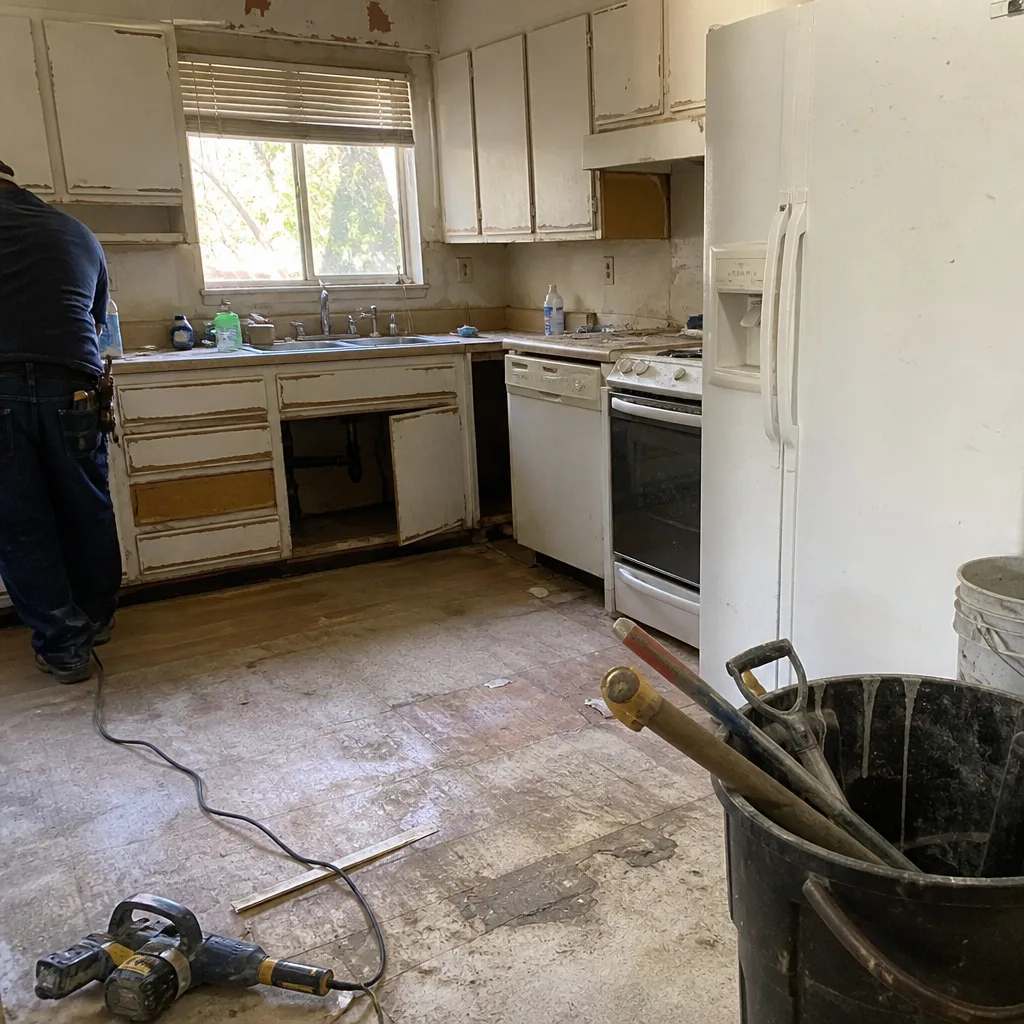 Before
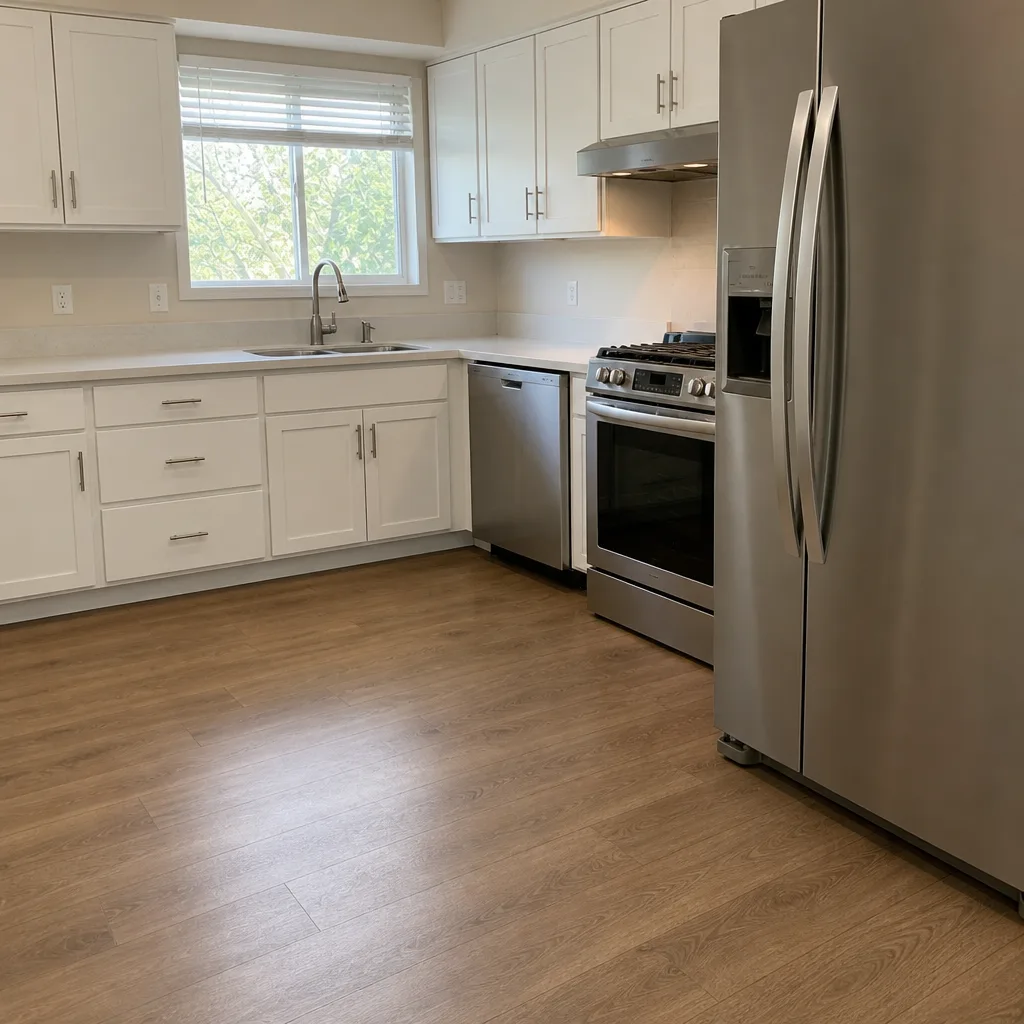 After
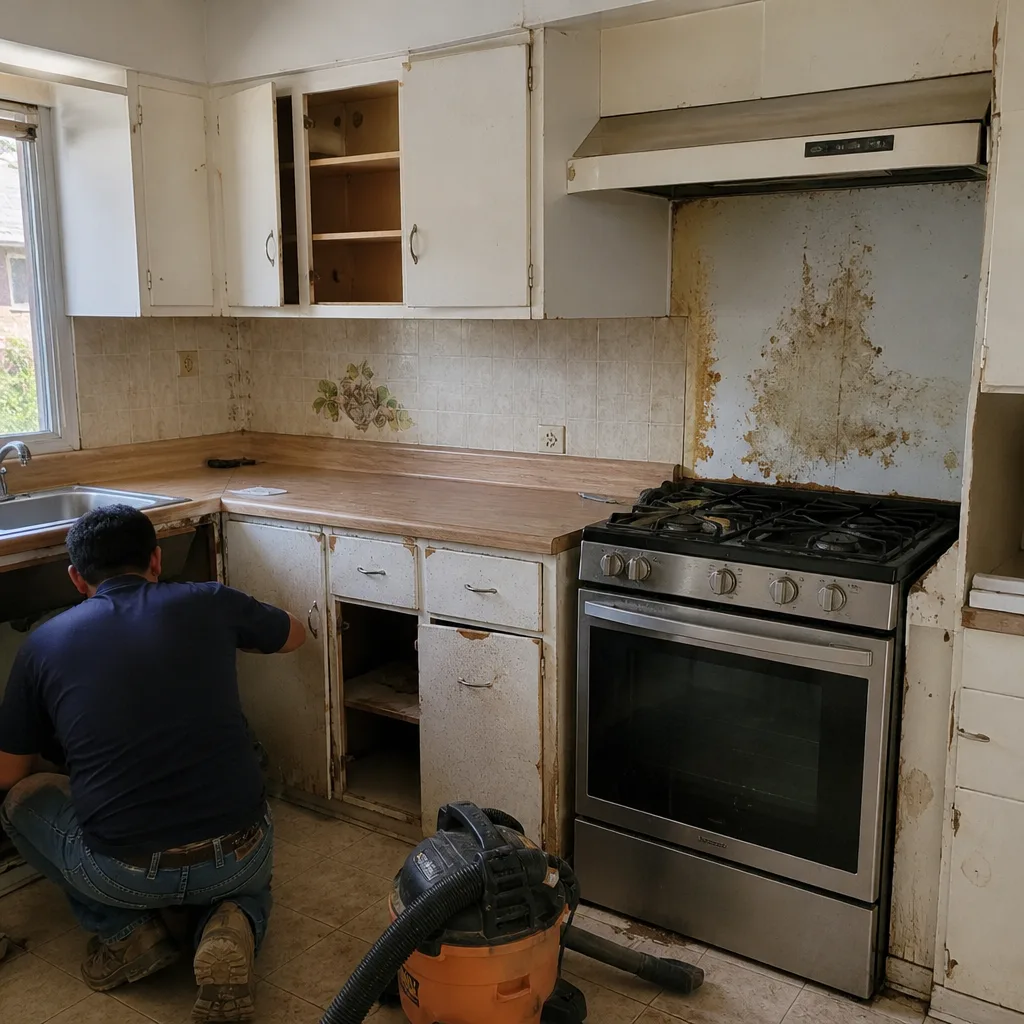 Before
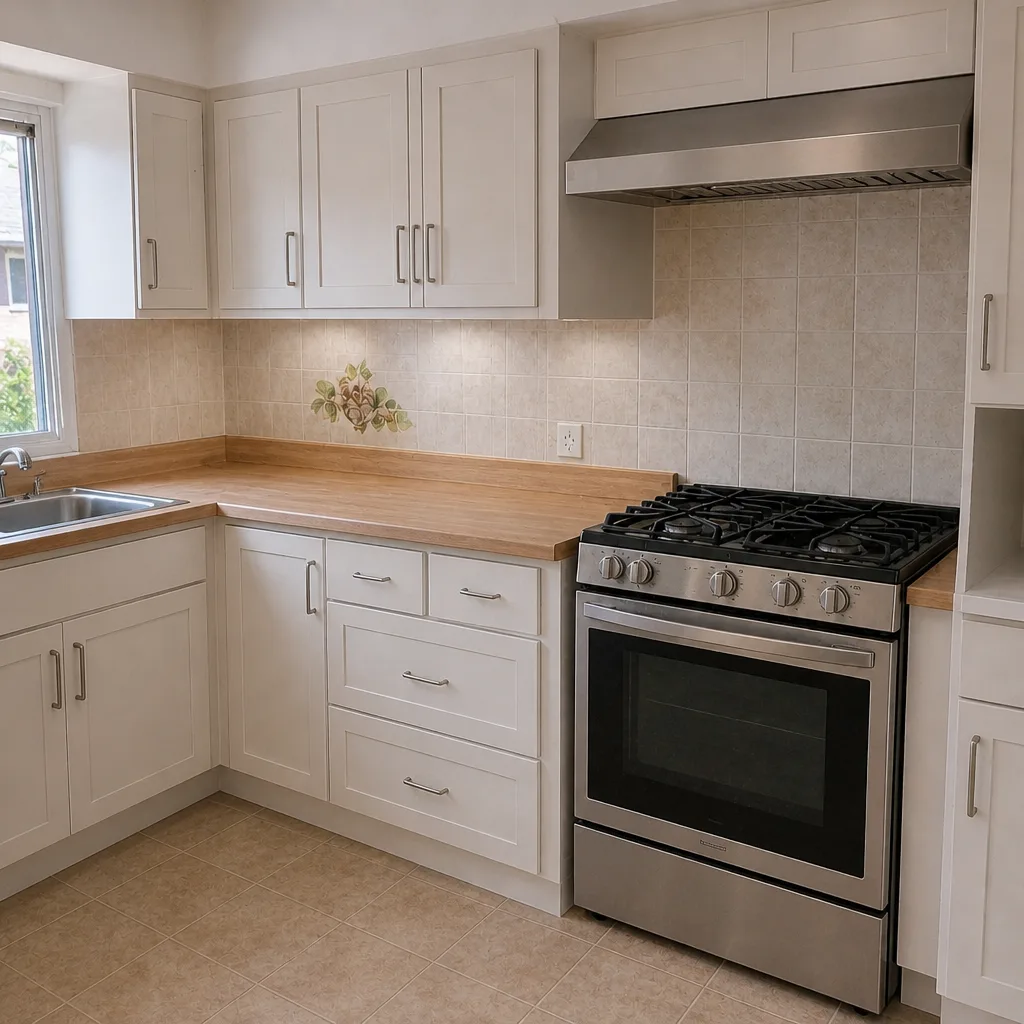 After
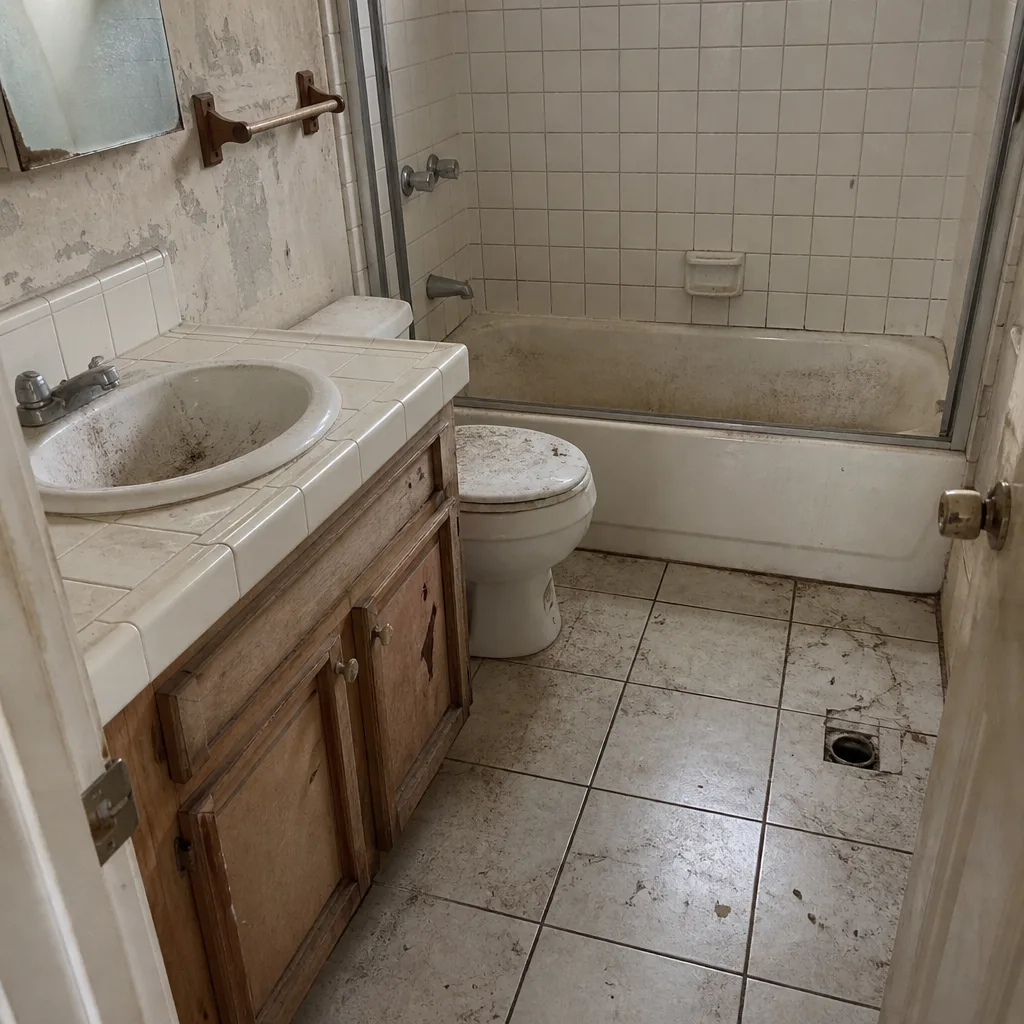 Before
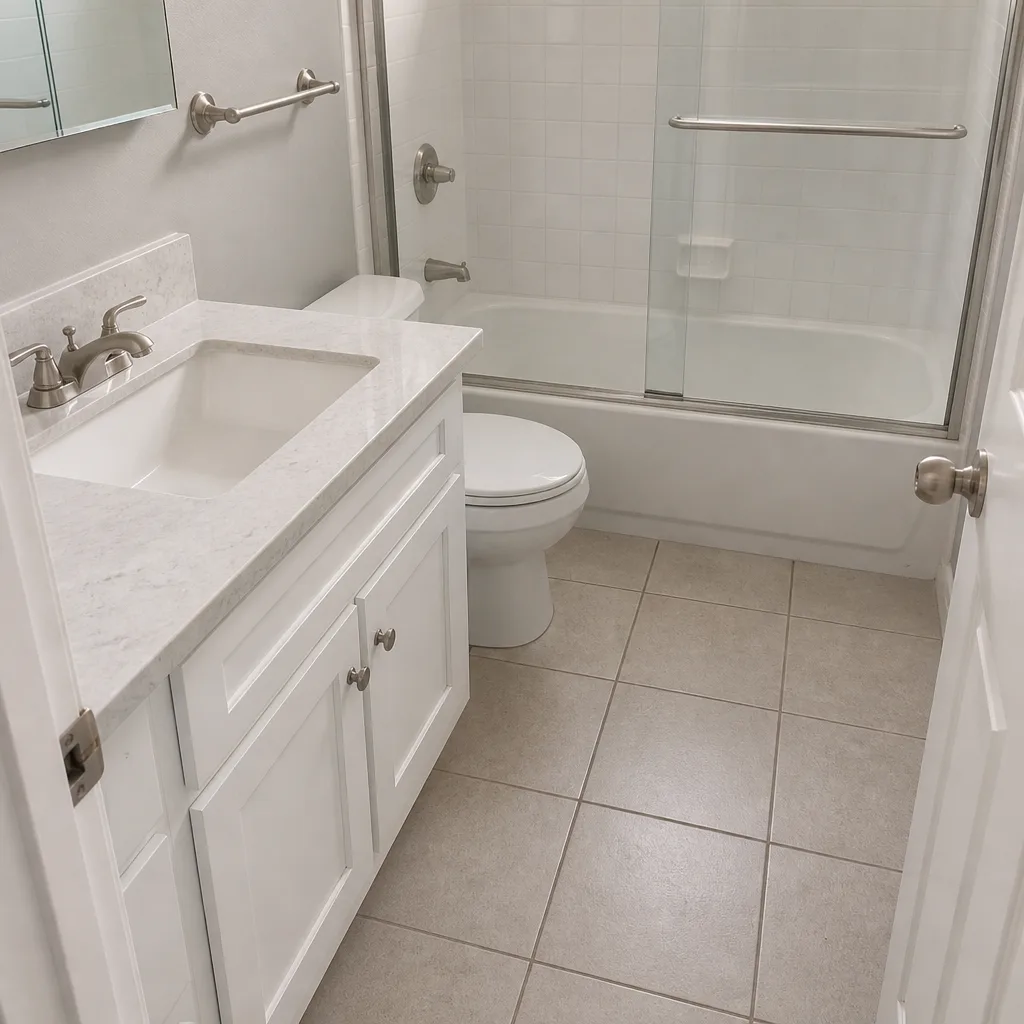 After
When to Call a Professional
Call a professional when the fence is taller than 5 feet, when it sits on a slope retaining more than 24 inches of soil, when it touches a shared property line with a neighbor who hasn’t acknowledged it in writing, when it’s in a setback that requires a permit, or when you’re on a timeline tied to an escrow. Those are the scenarios where a self-installed fence becomes a contractor correction. Our technicians have up to 19 years of experience on fences and the trades that surround them, and every visit includes a documented photo record of what we found and what we did – not an upgrade, just the standard. Rowan Construction Group Fullerton offers free estimates in Fullerton – call (844) 320-7095 to schedule yours, or request a text confirmation if you’d rather not talk on the phone.
Frequently Asked Questions
Yes, for fences up to 6 feet in height and outside the required front or corner side setback, and you can pull the permit as a homeowner. You’ll need a scaled site plan and a fence elevation, and you become the permit holder who answers at inspection. Anything structural, retaining-related, or attached to the house needs to go through a licensed contractor. Call (844) 320-7095 if you’re not sure which side of that line your project falls on.
For 100 linear feet of 6-foot cedar fence, a professional bid in Fullerton typically runs $5,200 to $7,800 all-in, including permit, footing, hardware, materials, and disposal. A composite fence runs $65 to $110 per linear foot. The bid should itemize post spec, footing depth, concrete PSI, hardware, and both material and labor warranties. Call (844) 320-7095 for a written quote – estimates are free.
Not on our jobs. Every project gets a flat written price and a written scope before any work starts, and no change proceeds until a signed change order is in place. That’s been the discipline behind 4,000-plus projects finishing within a few percent of the agreed cost. If your existing bid was verbal, bring it to us and we’ll review it line by line at no charge.
Yes, we pull the permit and coordinate the inspection, and the licensed professional we connect you with is licensed and insured as the state requires. That’s the difference between a homeowner-pulled permit and a contractor-pulled one: the contractor answers to the inspector, not you. Call (844) 320-7095 to schedule a free estimate and we’ll walk you through what the permit scope covers.
A 100-foot cedar privacy fence is typically a 2 to 4 day job once the permit is in hand and the material is on site. Permit review in Fullerton runs another week to three weeks depending on the season, and footing concrete needs 24 to 48 hours to cure before posts are loaded. Call (844) 320-7095 for a written timeline tied to your specific scope.
The material warranty comes from the manufacturer and covers defects in the boards, posts, and hardware – typically 15 to 25 years for cedar, longer for composite. The labor warranty covers the installation work – plumb, spacing, fastening. Both should appear in the bid in writing. If a bid only lists one, ask which one is missing. Call (844) 320-7095 and we’ll show you exactly what our written warranty states.
The Bottom Line
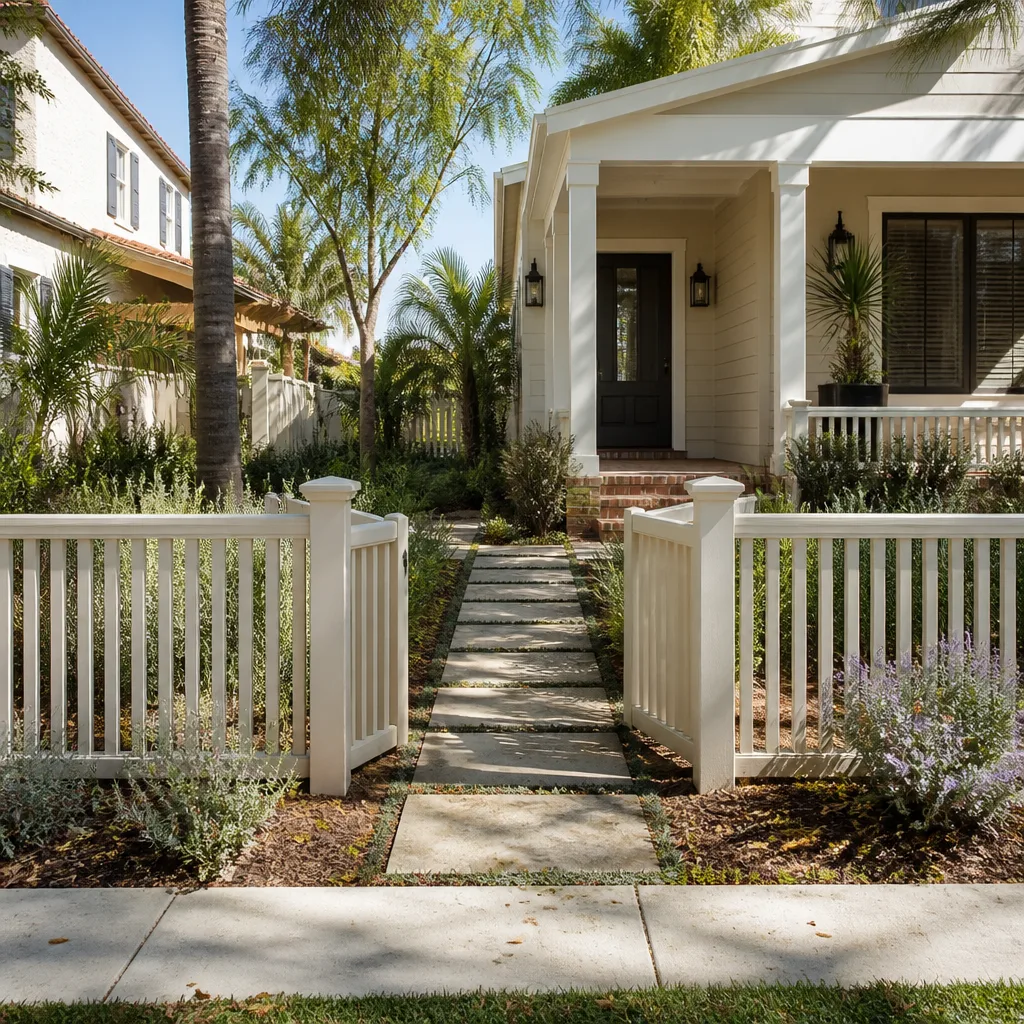
Fence installation is one of the few trades where a capable homeowner can legitimately self-perform most of the scope. The boards, rails, hardware, stain, and gate assembly are yours if you want them. The permit signature, the survey stake, the footing depth, and the post plumb within 1/8 inch are where it stops being safe. Get the property line in writing, price the concrete by ratio, and read every bid against the checklist above – post spec, footing spec, concrete PSI, both warranties, permit responsibility. That’s the whole difference between a fence that lasts 20 years and one that becomes a correction. Under Clause 1, the price is written before anyone starts; under the 365-Day Done Right Promise, if it’s not done right, we make it right, backed by The Haven Standard, not a handshake.
Call Rowan Construction Group Fullerton at (844) 320-7095 for a free estimate. Bring a competitor’s written bid and we’ll review it line by line at no charge.
Written by the team at Rowan Construction Group Fullerton.